18/11/2026
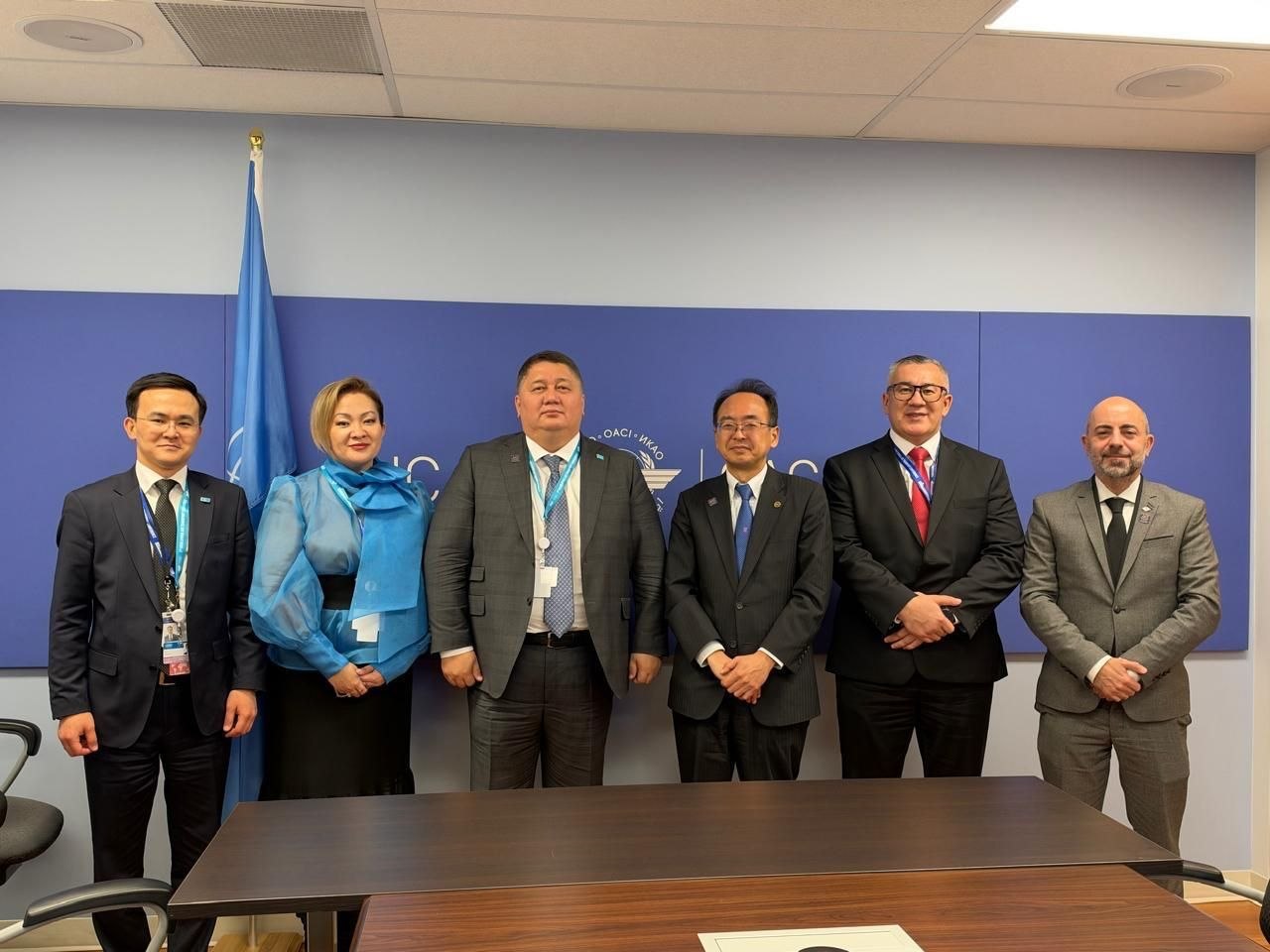
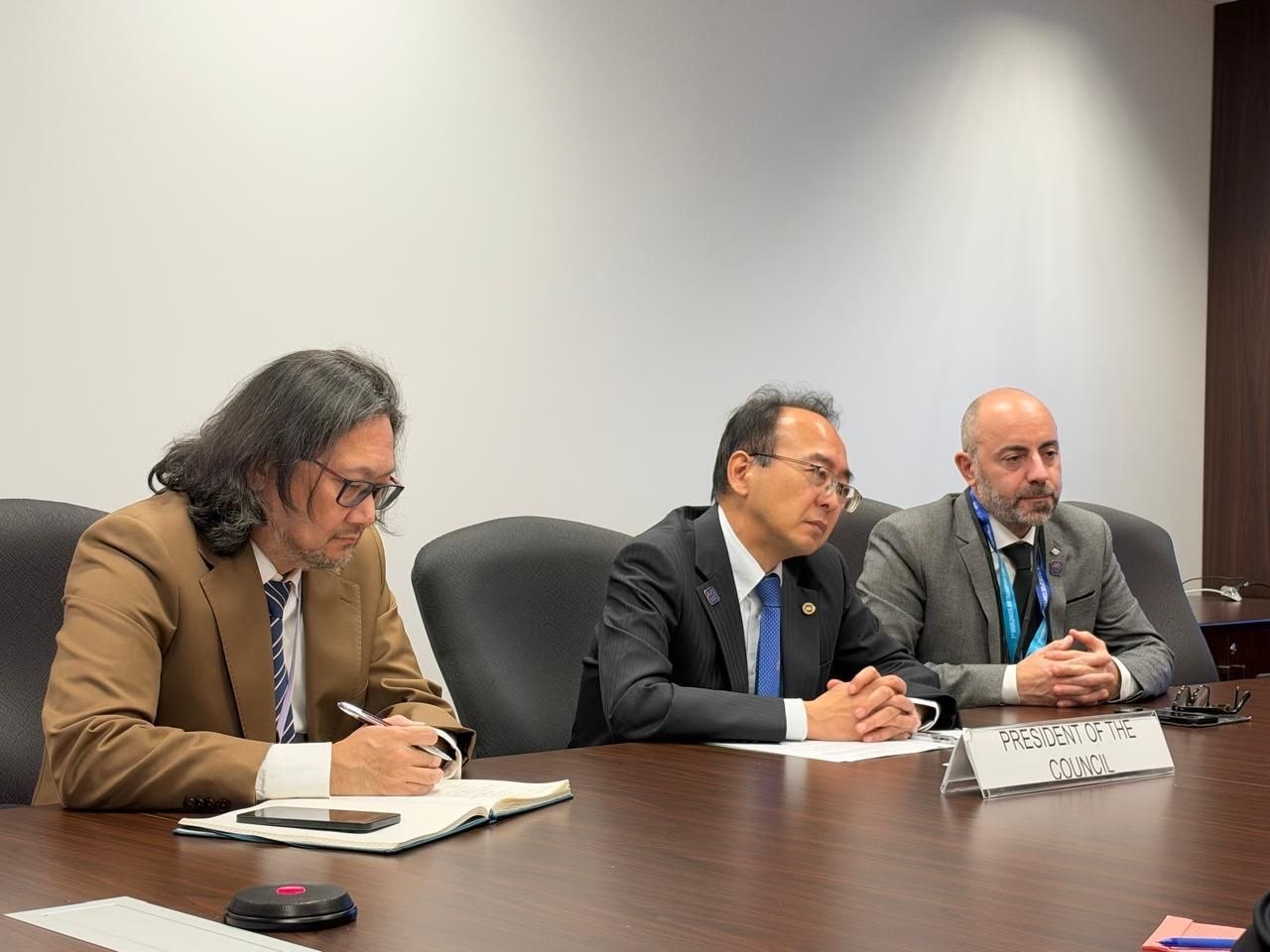
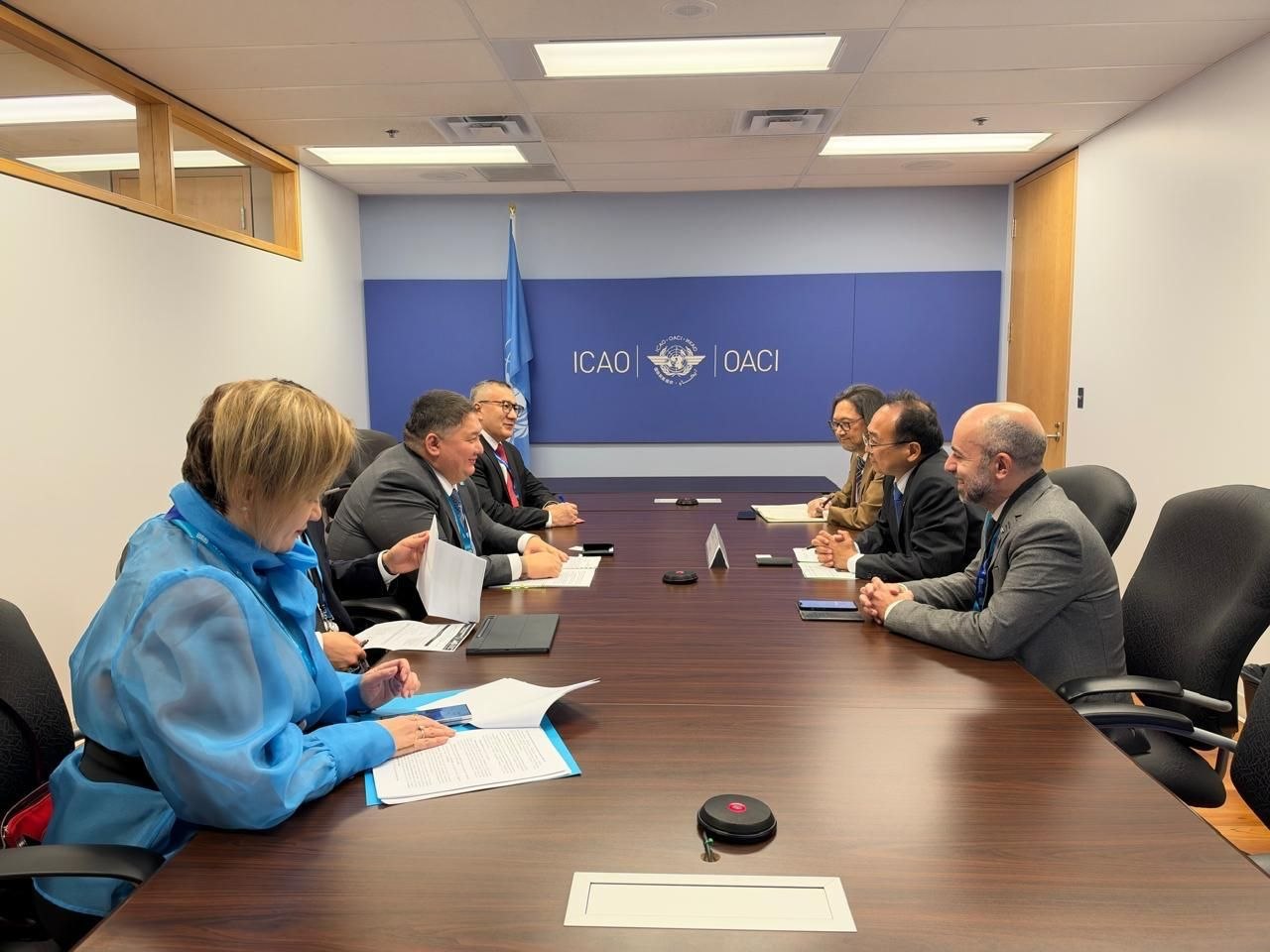
In Montreal, Canada, on the sidelines of the 7th ICAO Worldwide Air Transport Conference (ATConf/7), Talgat Lastayev, Vice Minister of Transport of the Republic of Kazakhstan, held a meeting with Toshiyuki Onuma, President of the Council of the International Civil Aviation Organization (ICAO).
During the meeting, the parties discussed large-scale transformations in Kazakhstan’s civil aviation sector, the outcomes of industry reforms, enhancements in flight safety, the expansion of international air connectivity, and prospects for further strengthening cooperation with ICAO.
The President of the ICAO Council congratulated Kazakhstan’s aviation authorities on successfully hosting the ICAO Aviation Security Week, noting the country's contribution to advancing international aviation cooperation.
Toshiyuki Onuma highlighted Kazakhstan’s growing role in the global civil aviation system, emphasizing that the country’s advantageous geographical location at the crossroads of major international transport corridors between Europe and Asia creates significant potential for developing regional and intercontinental air connectivity.
"We highly value your efforts and contributions to the development of civil aviation. We are confident that through close coordination of your efforts with the ICAO European and North Atlantic Regional Office, we will continue to strengthen this positive momentum. This is of great importance not only for Kazakhstan, but also for the entire region and the international aviation community as a whole, as your country's geographical position plays an exceptionally vital role in the further development of international civil aviation," emphasized Toshiyuki Onuma.
Talgat Lastayev briefed the head of the ICAO Council on the current development of Kazakhstan's civil aviation industry, its key achievements, and operational results. He noted that Kazakhstan is consistently implementing a large-scale program of modernization and institutional transformation in civil aviation. This area is under the special oversight of the Head of State and is regarded as a strategic factor in enhancing transport connectivity, investment attractiveness, and the competitiveness of the national economy.
As part of the reforms, a modern model of state regulation and oversight of civil aviation has been introduced, drawing on leading international - including British -best practices. An independent Aviation Administration of Kazakhstan has been established, the legal and regulatory framework is being consistently improved, and oversight mechanisms for flight safety and aviation security are being strengthened.
These efforts have enabled Kazakhstan to significantly reinforce its standing in key indicators of compliance with international standards.
Kazakhstan holds leading positions among the CIS and Central Asian states, ranking in the global Top 20 in terms of aviation security. In partnership with ICAO, Kazakhstan is developing a long-term Civil Aviation Master Plan.
One of the next strategic priorities is the expansion of international air connectivity, including creating the necessary conditions to launch direct flights to the United States. In this regard, ongoing work is underway to further improve aviation oversight and engage with the U.S. Federal Aviation Administration (FAA).
These large-scale reforms are accompanied by dynamic growth in the air transport market. In 2025, passenger traffic in Kazakhstan increased by 80% compared to pre-pandemic levels.
The geography of international routes is expanding, new destinations are being launched, flight frequencies are increasing, and the route networks of both domestic and foreign airlines are growing. Concurrently, airport infrastructure is being modernized, and air transport accessibility for the public is improving.
Alongside traditional civil aviation, Kazakhstan places special emphasis on introducing advanced aviation technologies. Priority areas include the development of unmanned aircraft systems (UAS), drones, and autonomous aviation technologies, including promising projects involving unmanned aerial mobility platforms.
During the meeting, Talgat Lastayev underscored the strategic importance of cooperation with ICAO and reaffirmed Kazakhstan’s readiness to actively participate in shaping the international aviation agenda—specifically by representing the interests of Central Asian states as well as Landlocked Developing Countries (LLDCs).
"We are ready to advocate for the interests of Landlocked Developing Countries. We remain committed to the principles of multilateral cooperation and constructive dialogue, and we are convinced that strengthening regional balance within the Council is of fundamental importance. Kazakhstan is also ready to share its experience in enhancing aviation industry efficiency in line with ICAO’s 'No Country Left Behind' initiative," said Talgat Lastayev.
In conclusion, the Vice Minister of Transport of the Republic of Kazakhstan thanked the President of the ICAO Council for the constructive dialogue and support, and invited Toshiyuki Onuma to pay an official visit to the Republic of Kazakhstan.