22/10/2026
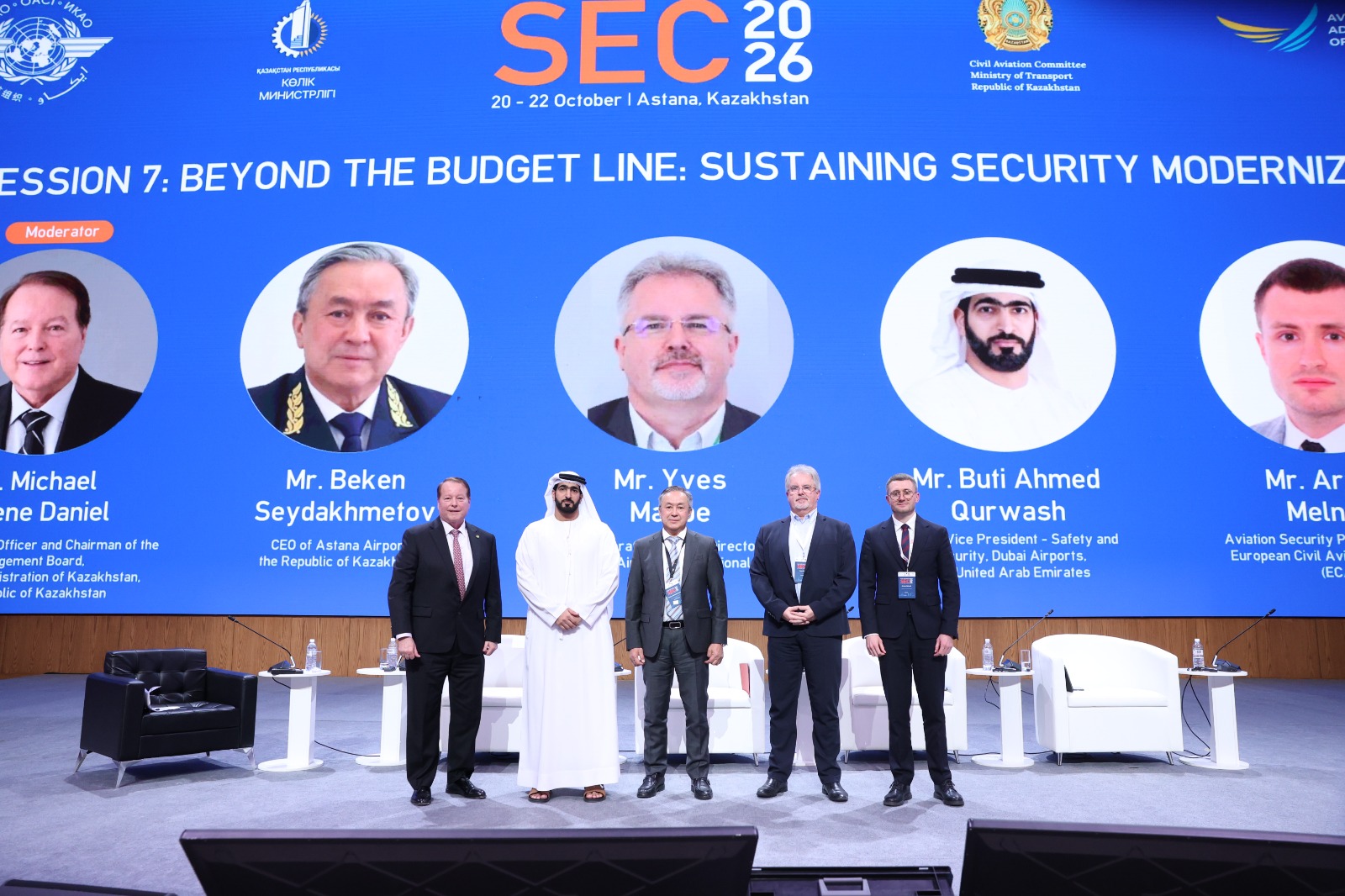
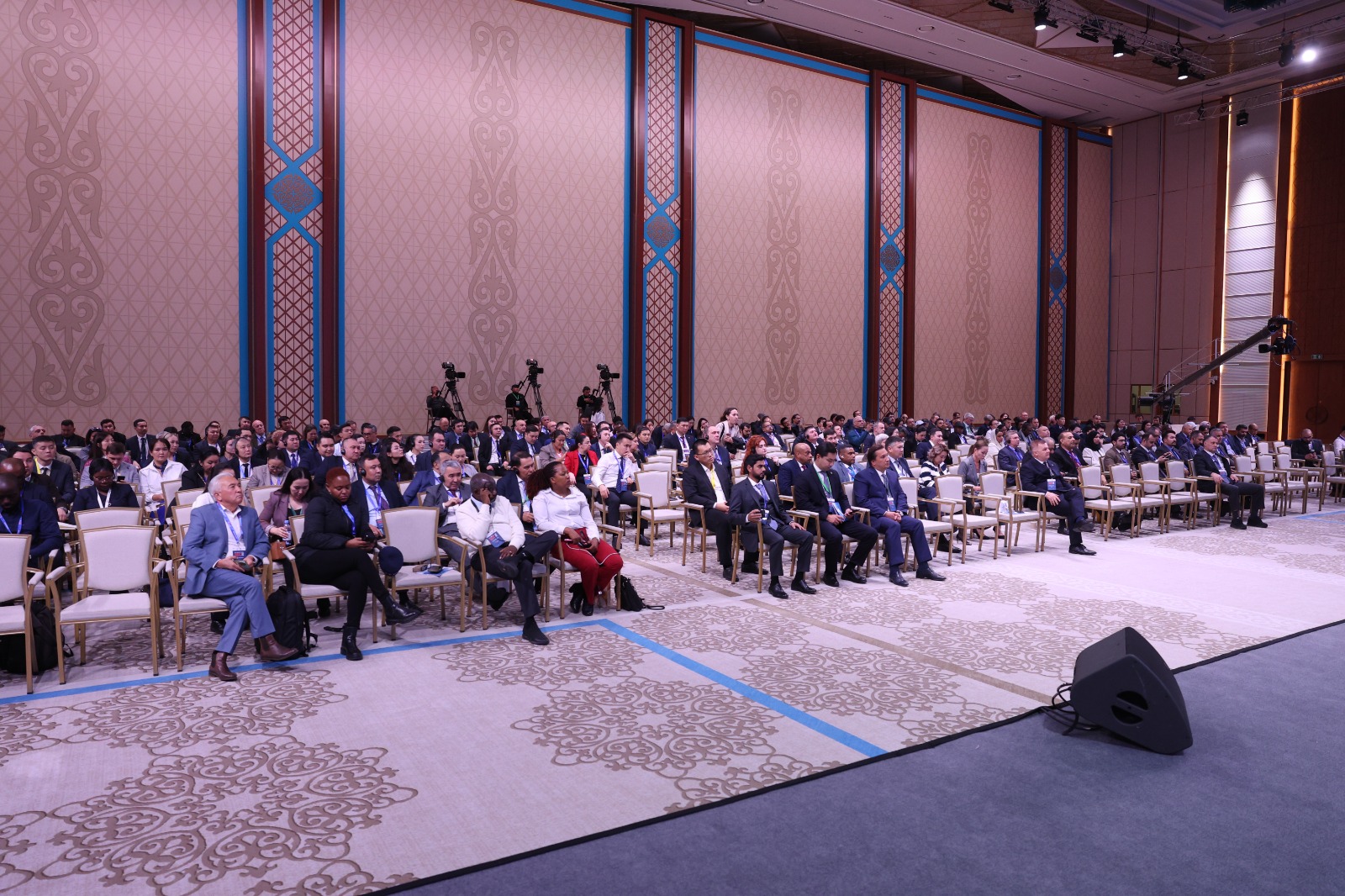
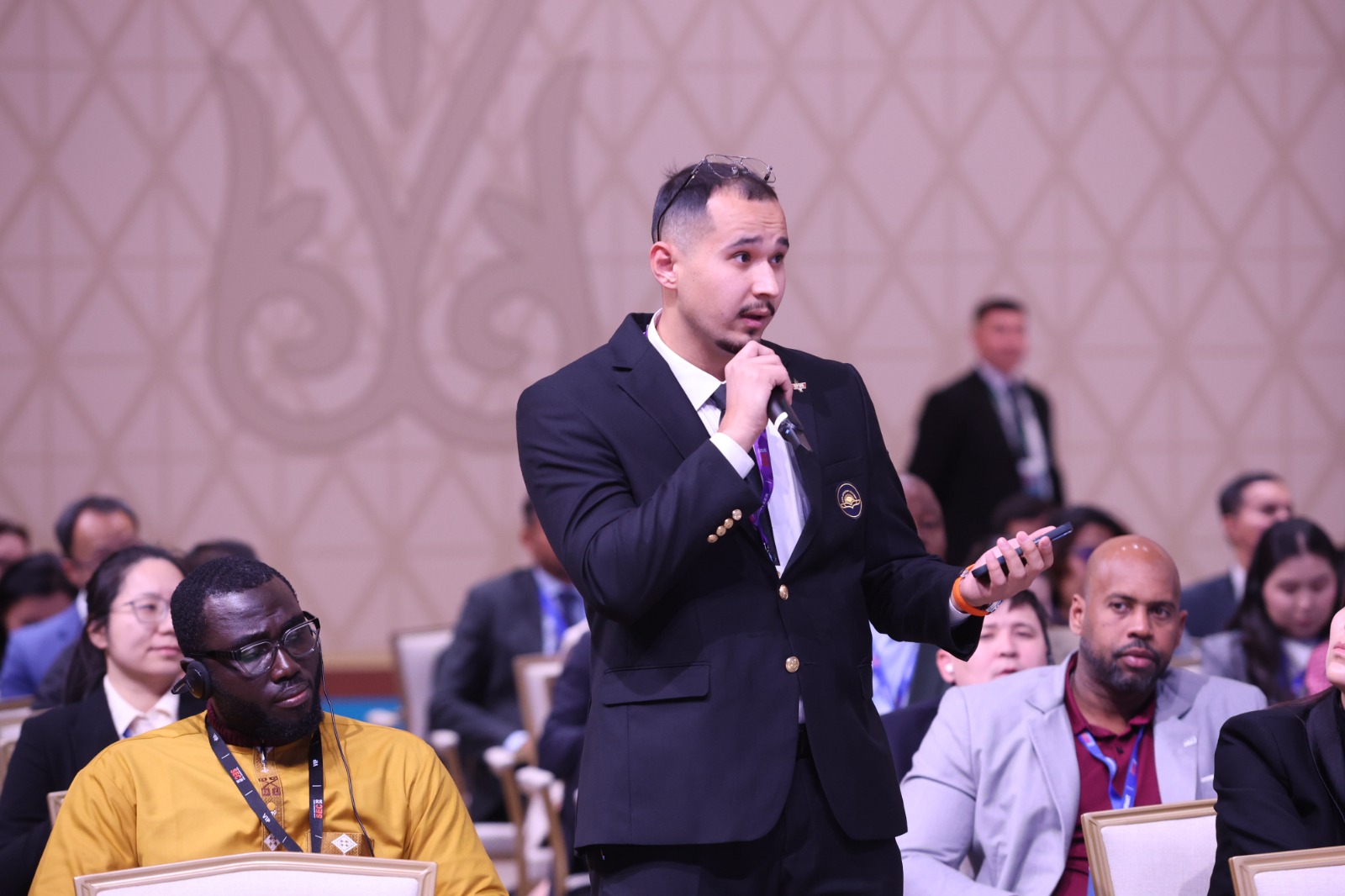
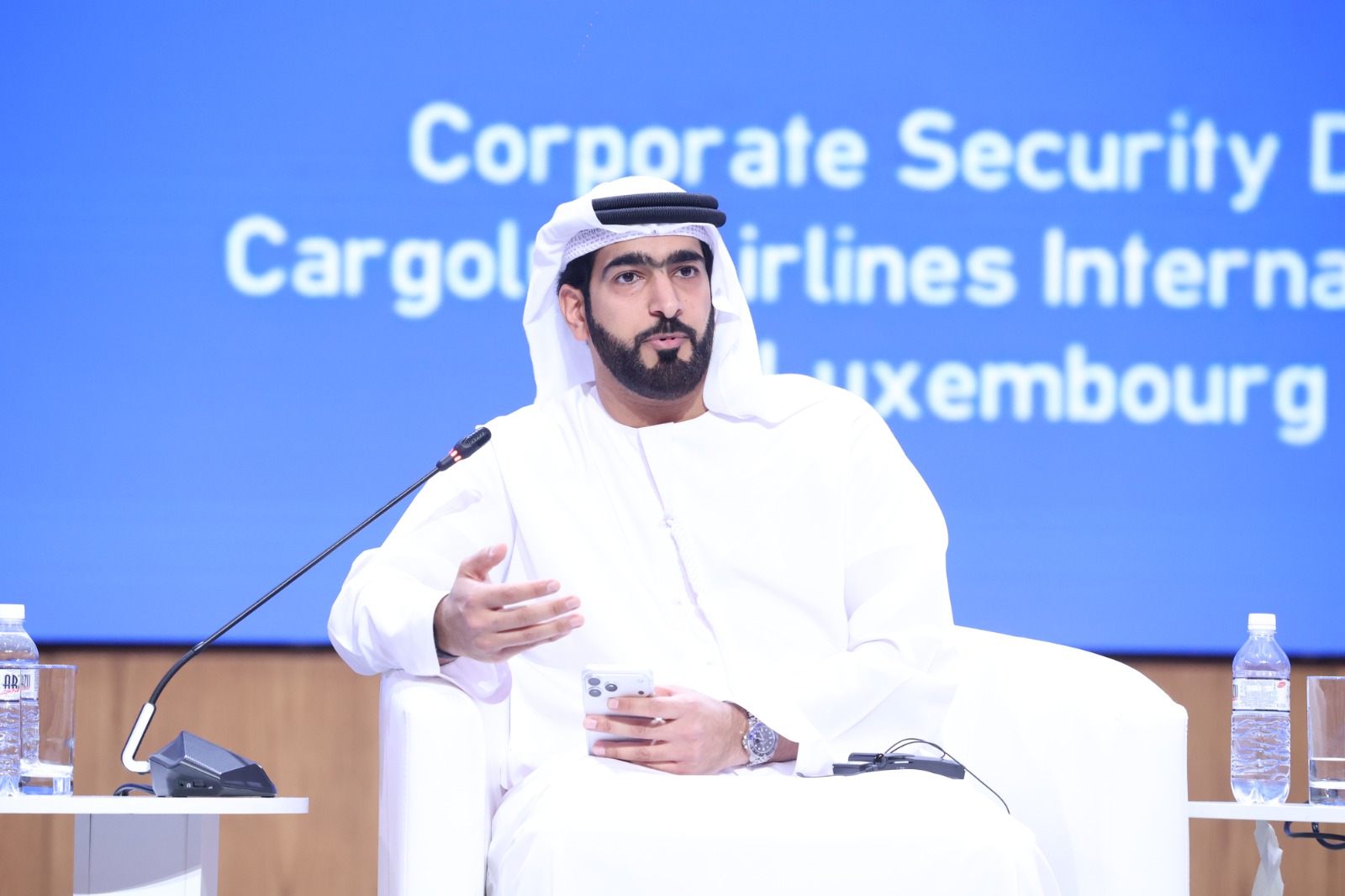
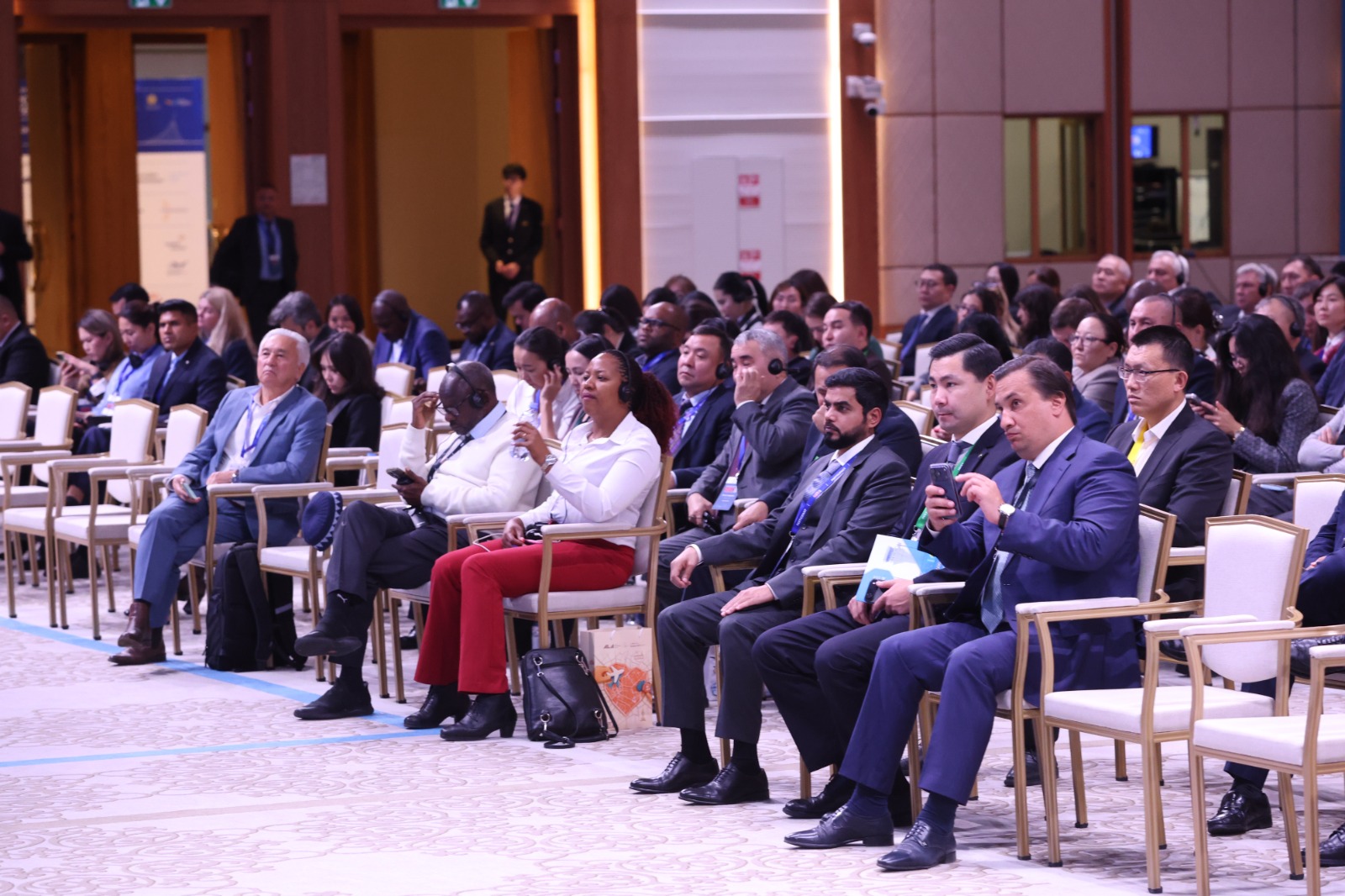
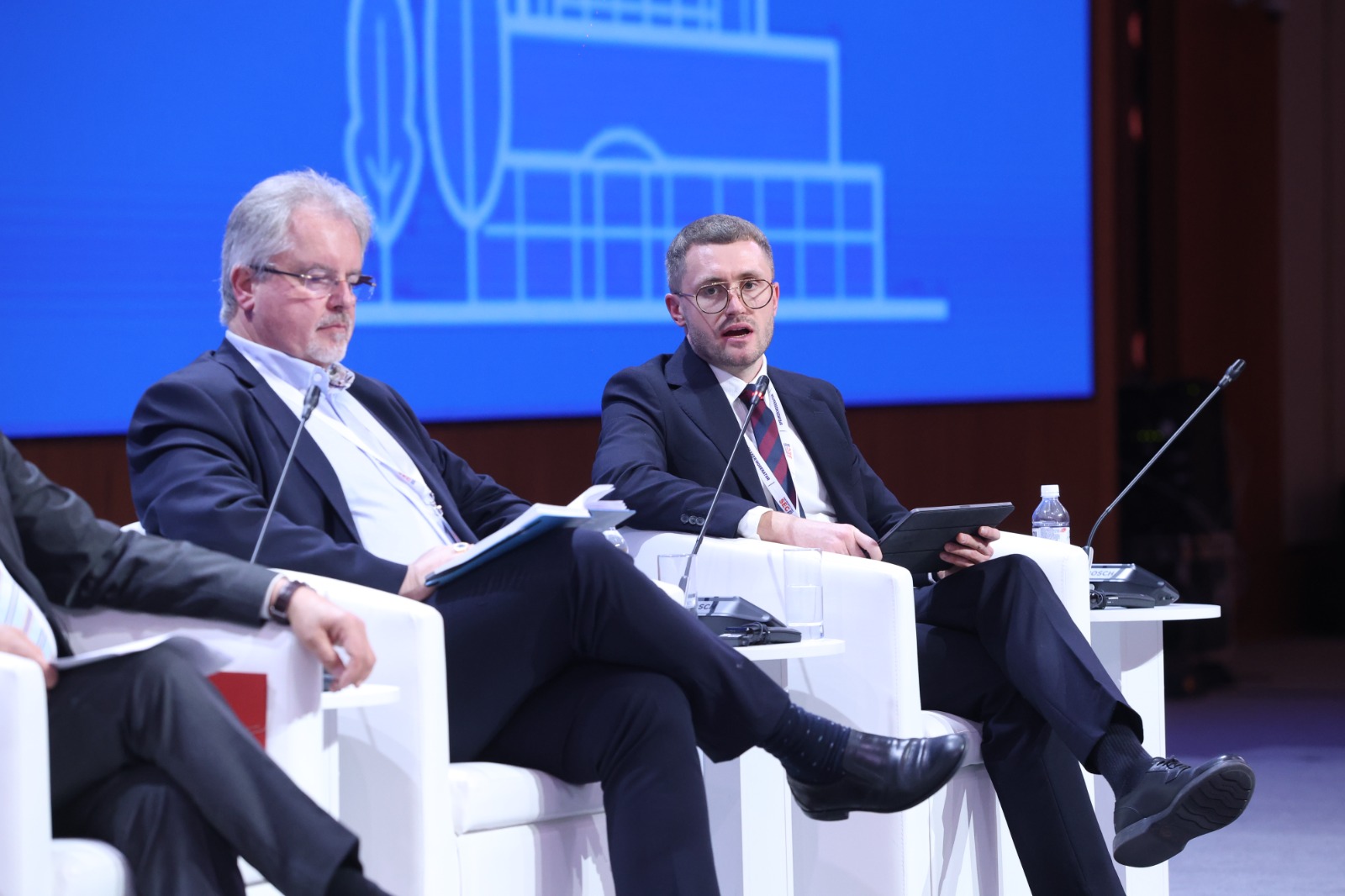
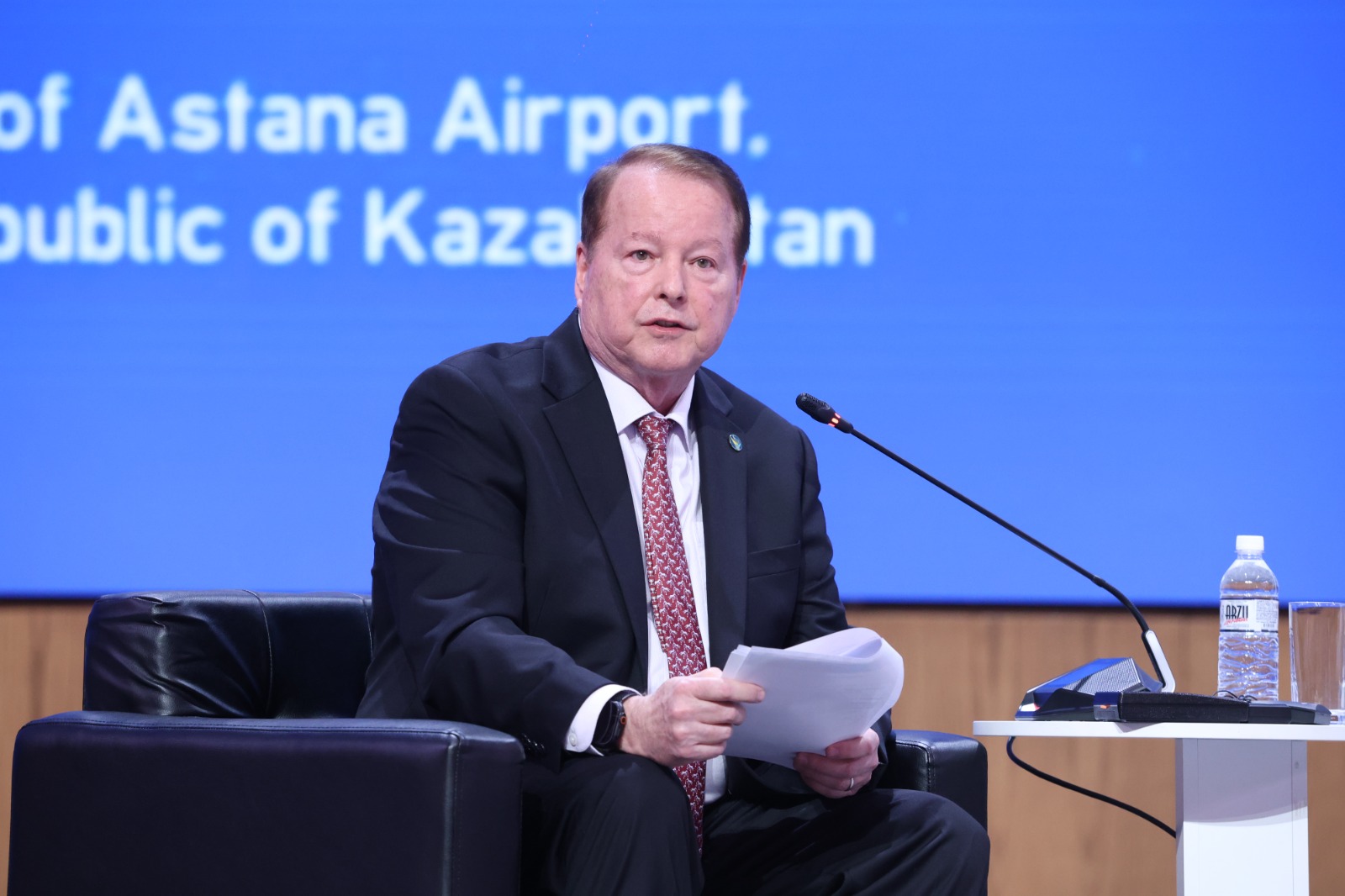
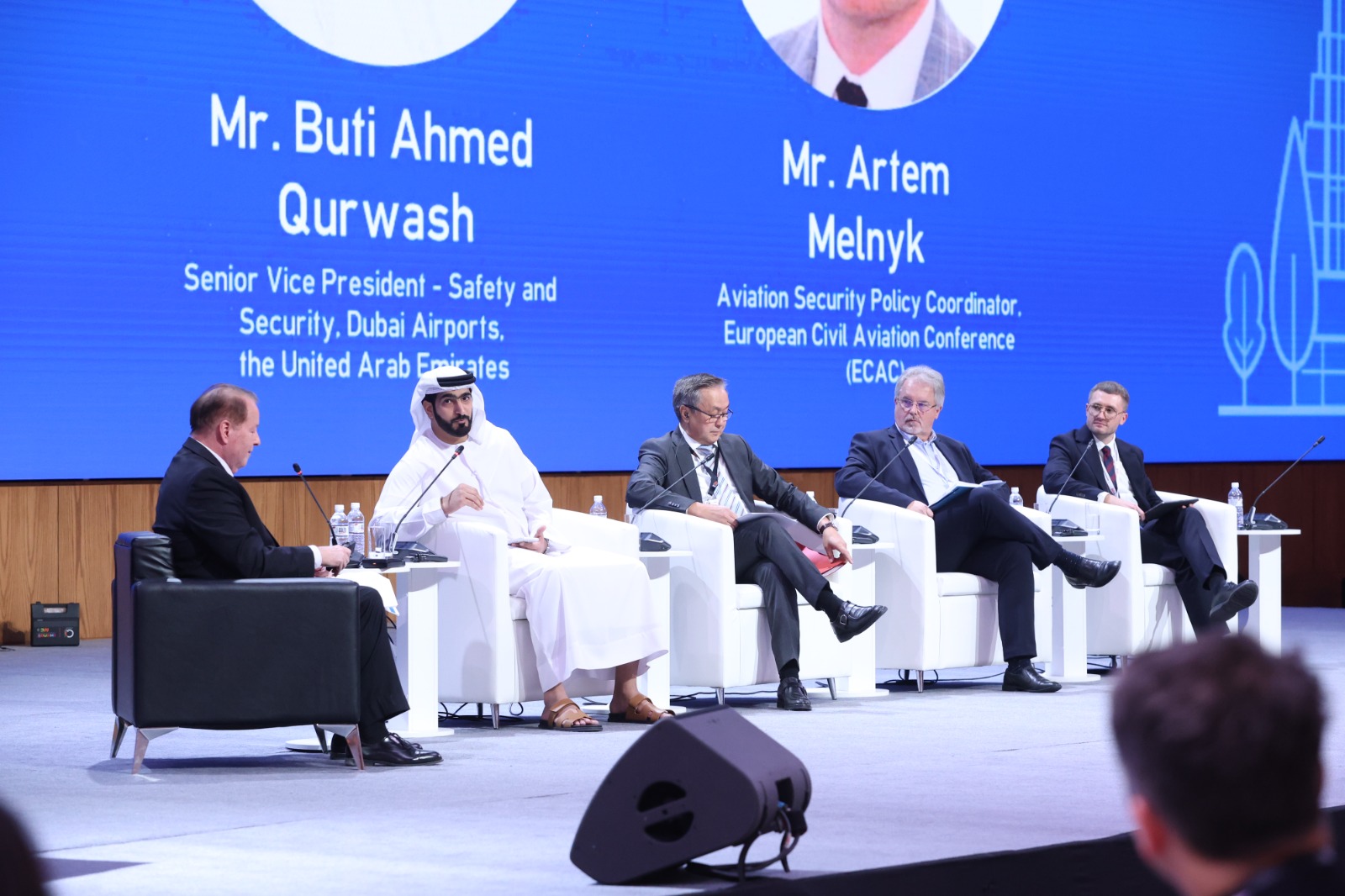
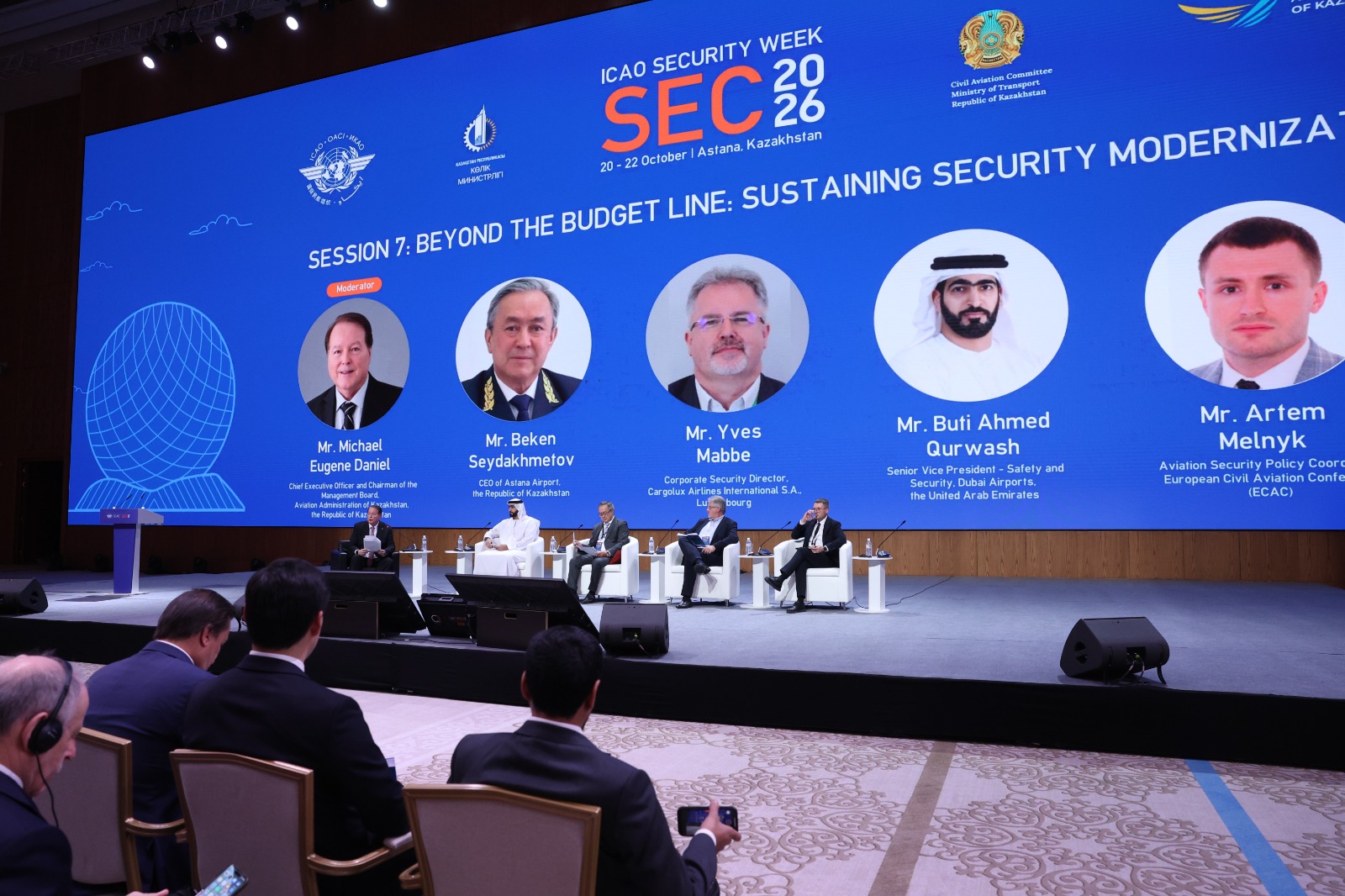
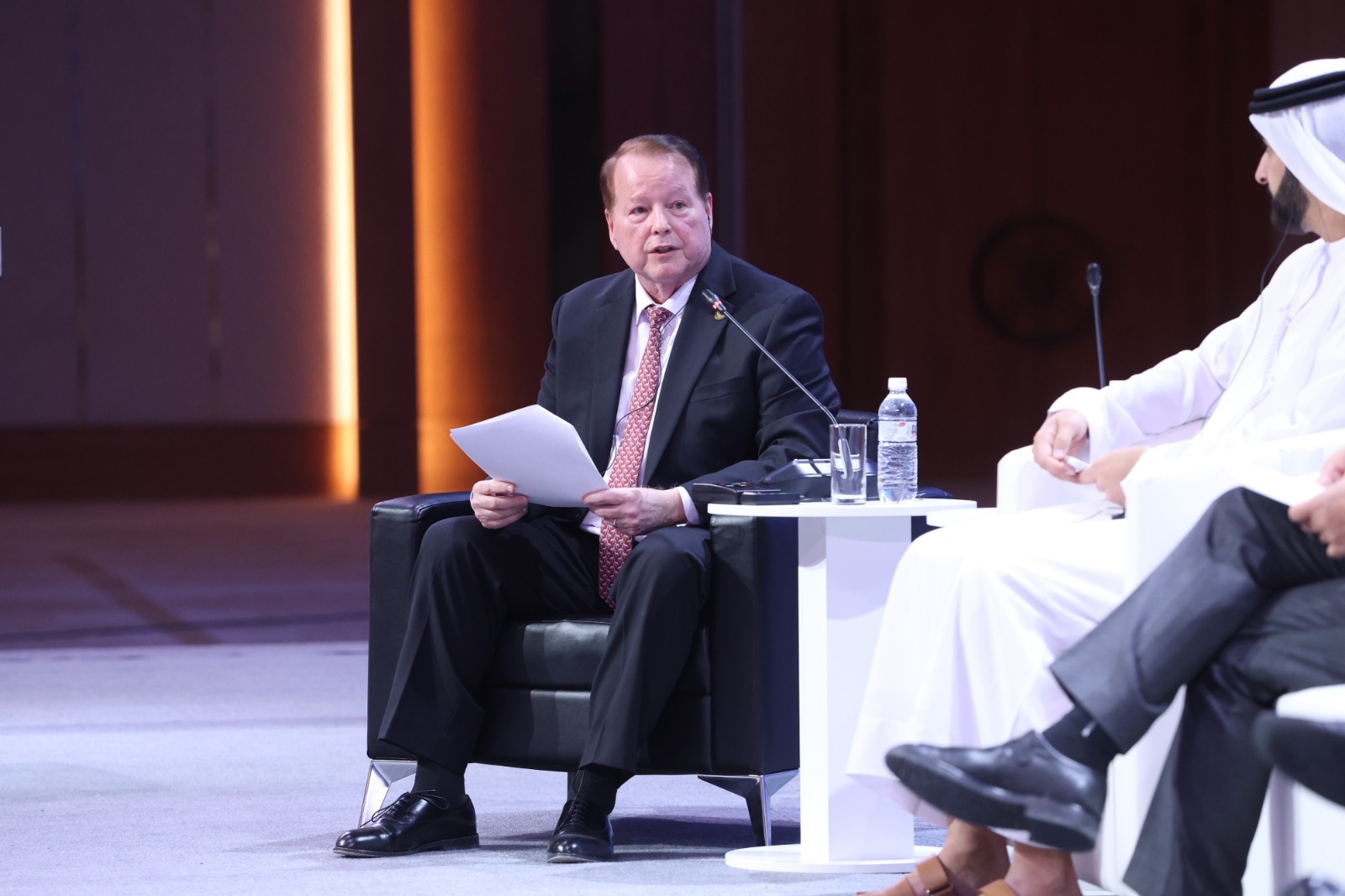
At the ICAO Aviation Security Week, participants of the session "Beyond Budget Constraints: Ensuring the Sustainability of Security System Modernization" addressed the topic of developing and maintaining modern aviation security systems in conditions of limited financial, human and time resources.
Particular attention was paid to the role of airports, where aviation security measures are implemented directly and the effectiveness of the decisions taken is put to the test. Maintaining modern infrastructure requires not only the timely renewal of equipment and technology, but also systematic work to develop the professional competencies of personnel, refine procedures, and ensure the long-term sustainability of the solutions being implemented.
Opening the session, Michael Daniel, Chief Executive Officer of the Aviation Administration of Kazakhstan, stressed that aviation security modernization requires the effective management of available resources. In his words, for Kazakhstan, situated at the crossroads of key transit routes across Eurasia, the development of modern security systems is of particular importance.
"True modernization is not simply about purchasing new equipment. It means looking at the whole picture: risk reduction, ongoing maintenance, personnel training, systems integration, and long-term effectiveness. It also comes down to a simple question: are we making the best possible use of the tools and talents we have? By working together and breaking down the barriers between governments, organizations, regulators, airports and industry partners, we can address our common challenges far more effectively than any of us could alone," said Mr. Daniel.
Buti Ahmed Qurwash, Senior Vice President for Safety and Security at Dubai Airports (UAE), noted that when planning the modernization of aviation security systems, it is important to consider not only the cost of constructing an airport, but also the long-term expenses of operating it, staffing it, and implementing new solutions. Where funding is limited, investment should be directed primarily toward the measures that deliver the greatest risk reduction.
In turn, Beken Seidakhmetov, Director General of Astana Airport, underscored the importance of common standards for aviation, where the security of any single link affects the resilience of the entire international network.
"The President of the country has consistently set the tasks of strengthening the nation's transit potential, developing international aviation hubs, expanding the route network, and modernizing airport infrastructure. Among the practical areas of work are the development of Astana Airport, the construction and modernization of facilities in the regions, improved connectivity across the country, and the enhancement of state oversight of flight safety. These initiatives open up new opportunities for the industry while simultaneously increasing our responsibility: infrastructure development must go hand in hand with a reliable, resilient and modern aviation security system."
Panel participants also discussed ways to make more effective use of existing resources and to develop partnerships among government agencies, airports, airlines and international organizations.
Yves Mabbe, Corporate Security Director at Cargolux Airlines International S.A. (Luxembourg), shared his view that any decisions relating to investment planning and infrastructure development must be based on risk assessment.
"The emergence of new threats calls for the introduction of appropriate technologies, while identified shortcomings must be remedied by improving work processes. Of course, we would like to be able to choose the most suitable technological solutions. However, in the air cargo sector, many of the technologies in use were originally developed for passenger aviation and later adapted to our needs — a process that takes time. That is why, for us today, the priority is less about introducing entirely new technologies than about ensuring the sustained, reliable operation of existing systems and continually seeking opportunities to improve them."
The European experience of implementing aviation security technologies was also presented by Artyom Melnik, Coordinator for Aviation Security Policy at the European Civil Aviation Conference (ECAC). He drew attention to the role of international cooperation and the mutual recognition of equipment test results, noting that these help avoid duplicative checks, use resources rationally and accelerate the deployment of solutions whose effectiveness has been confirmed by testing.
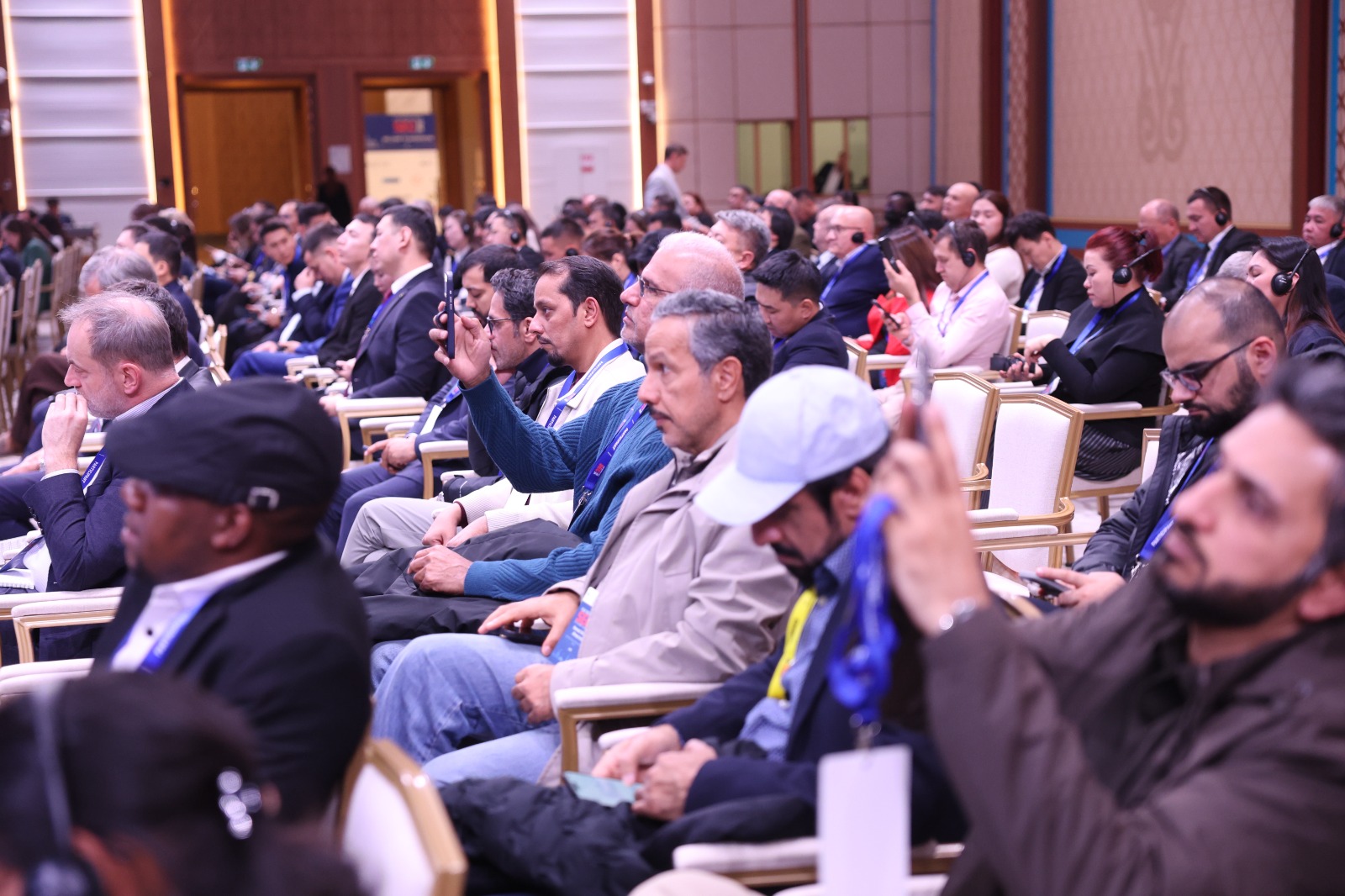
The session made it possible to examine the issue from multiple angles — from strategic planning and financing to the practical tasks of infrastructure operation and specialist training. Attendees actively asked questions, joined the discussion and exchanged views with the experts. This format allowed for an in-depth look at the practical aspects of modernizing aviation security systems and at approaches to addressing the industry’s current challenges.