


31/01/2026
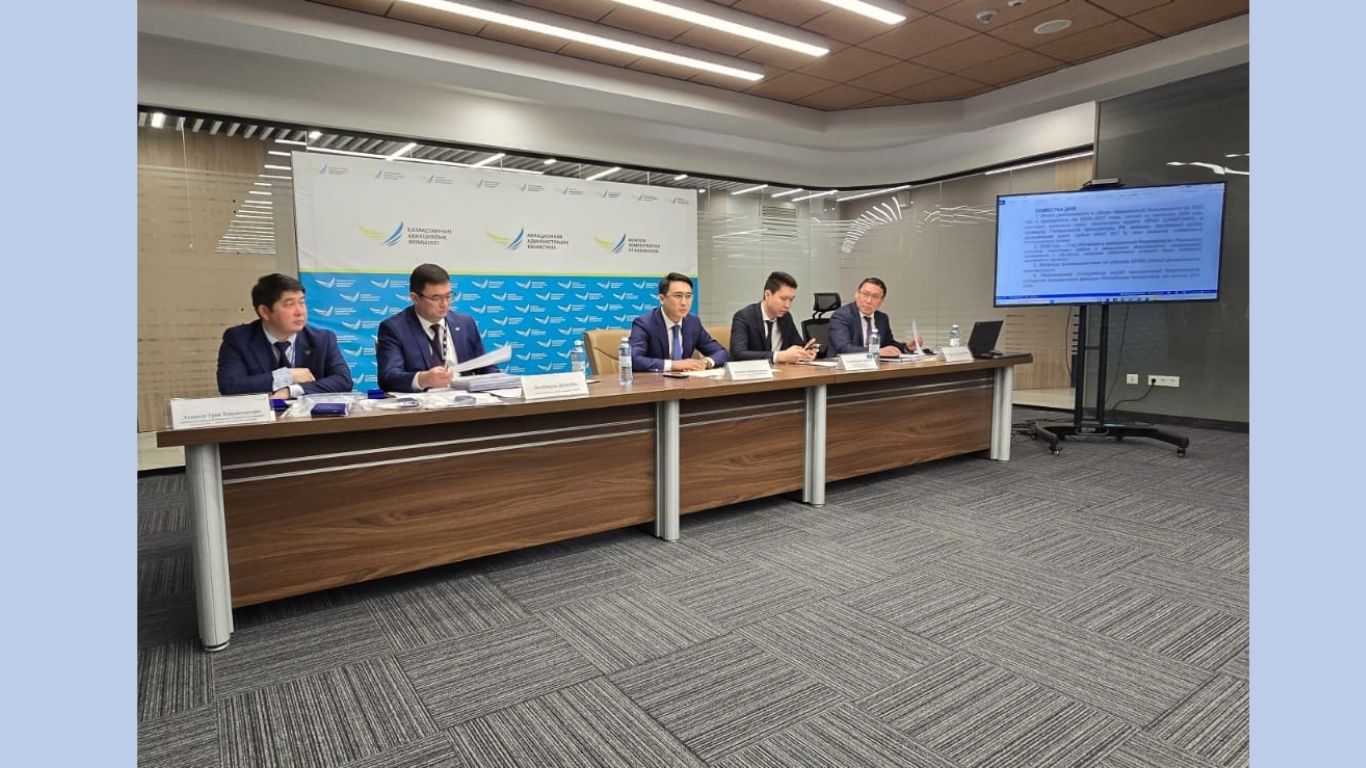

An annual summary meeting on aviation security issues was held at the Aviation Administration of Kazakhstan, timed to coincide with the professional holiday - Civil Aviation Workers’ Day of the Republic of Kazakhstan.
The event was dedicated to recognizing the contribution of aviation security personnel from airports, airlines, and the Republican State Enterprise “Kazaeronavigatsiya,” as well as the results of effective cooperation with government authorities. Efficient interagency coordination and professional performance were key factors in achieving the results attained in the field of aviation security. The level of implementation of international aviation security standards in the Republic of Kazakhstan stands at 95.7%.
Despite the high workload and level of responsibility, aviation security personnel remain at their posts every day, ensuring the safety of passengers, crews, and civil aviation facilities. Their work requires a high level of concentration, resilience, and professionalism and often goes unnoticed by passengers. It is precisely due to their coordinated and conscientious efforts that the stability of the entire aviation security system is ensured and trust in the civil aviation of the Republic of Kazakhstan is maintained.
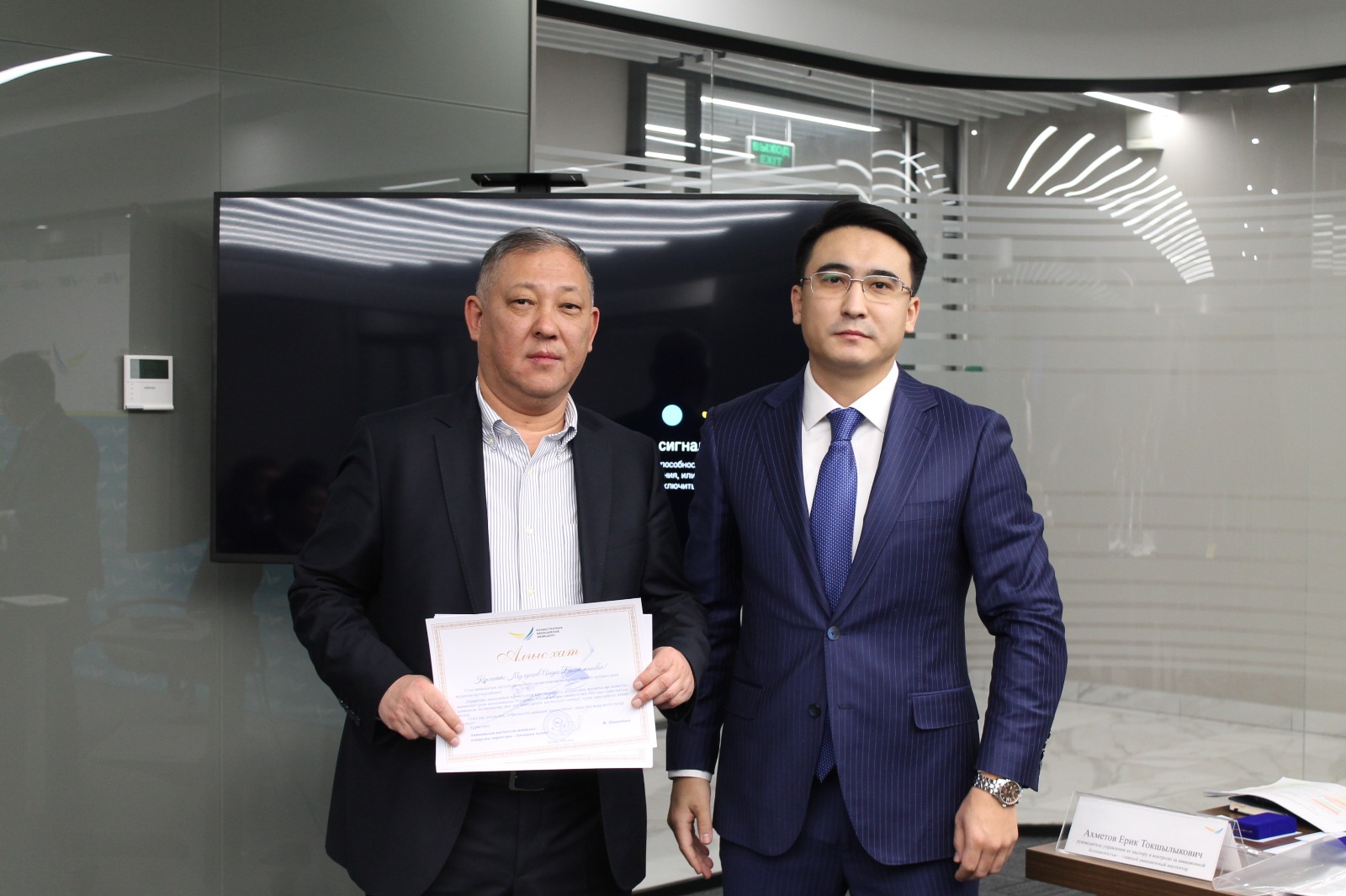
A number of aviation security service employees were awarded certificates of appreciation and commemorative badges: “Aviation Security Veteran,” “Honorary Aviation Security Employee,” and “For Professionalism in Aviation Security Work.”
In addition, the meeting highlighted key changes in the regulatory framework, including the revision and updating of aviation security guidance materials, as well as the strengthening of national expert capacity.
Priority areas for 2026–2027 were identified, taking into account new threats, increasing passenger traffic, the opening of new airports, and the development of aviation hubs, including the enhancement of aviation security training systems with the participation of the Civil Aviation Academy.
Issues related to countering threats associated with the use of unmanned aerial vehicles, as well as interagency cooperation in this area, were reviewed separately.
At the conclusion of the meeting, matters related to plans for undergoing a TSA audit were considered as part of the implementation of the project to launch direct scheduled flights between the Republic of Kazakhstan and the United States of America.