


20/03/2026
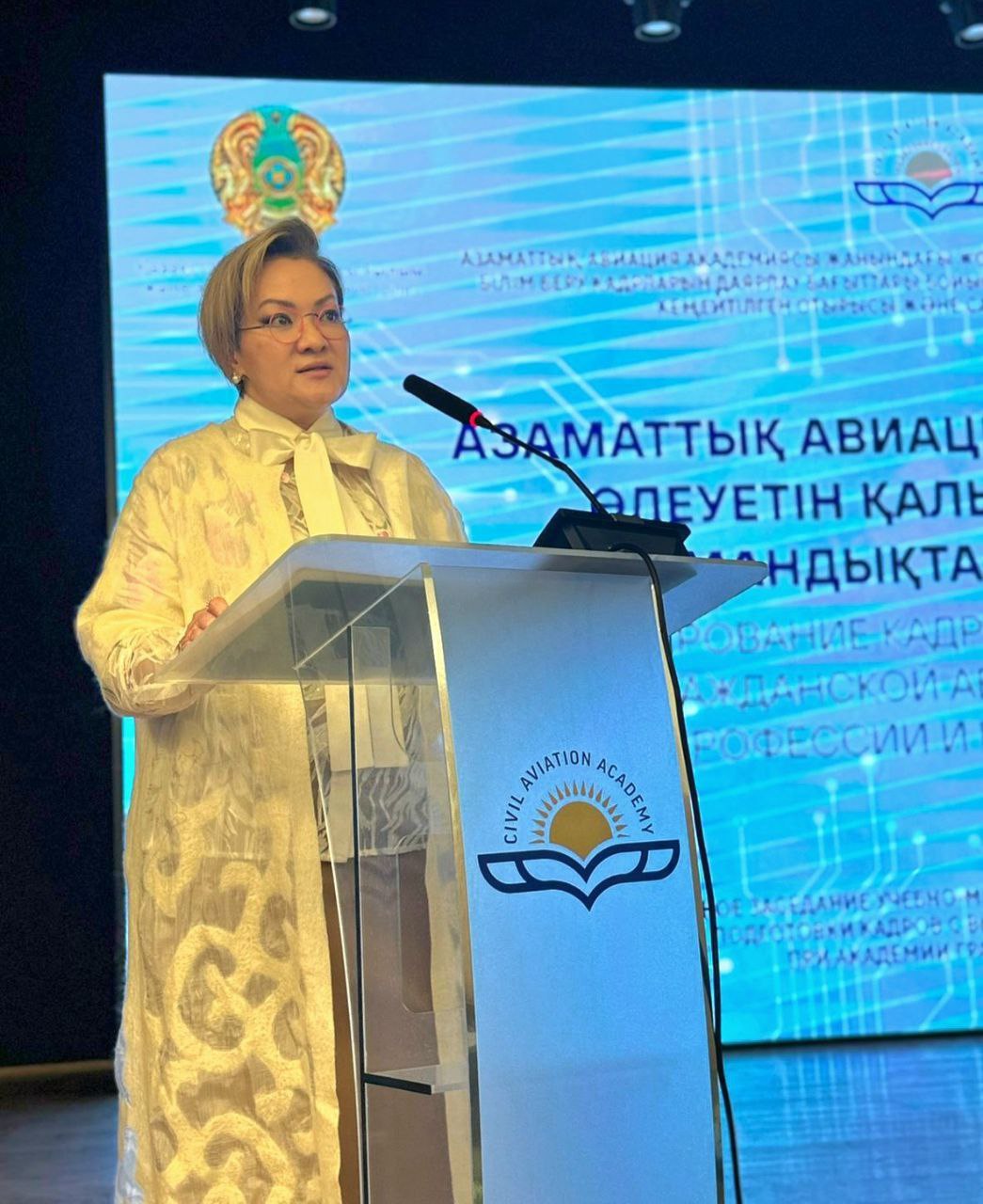
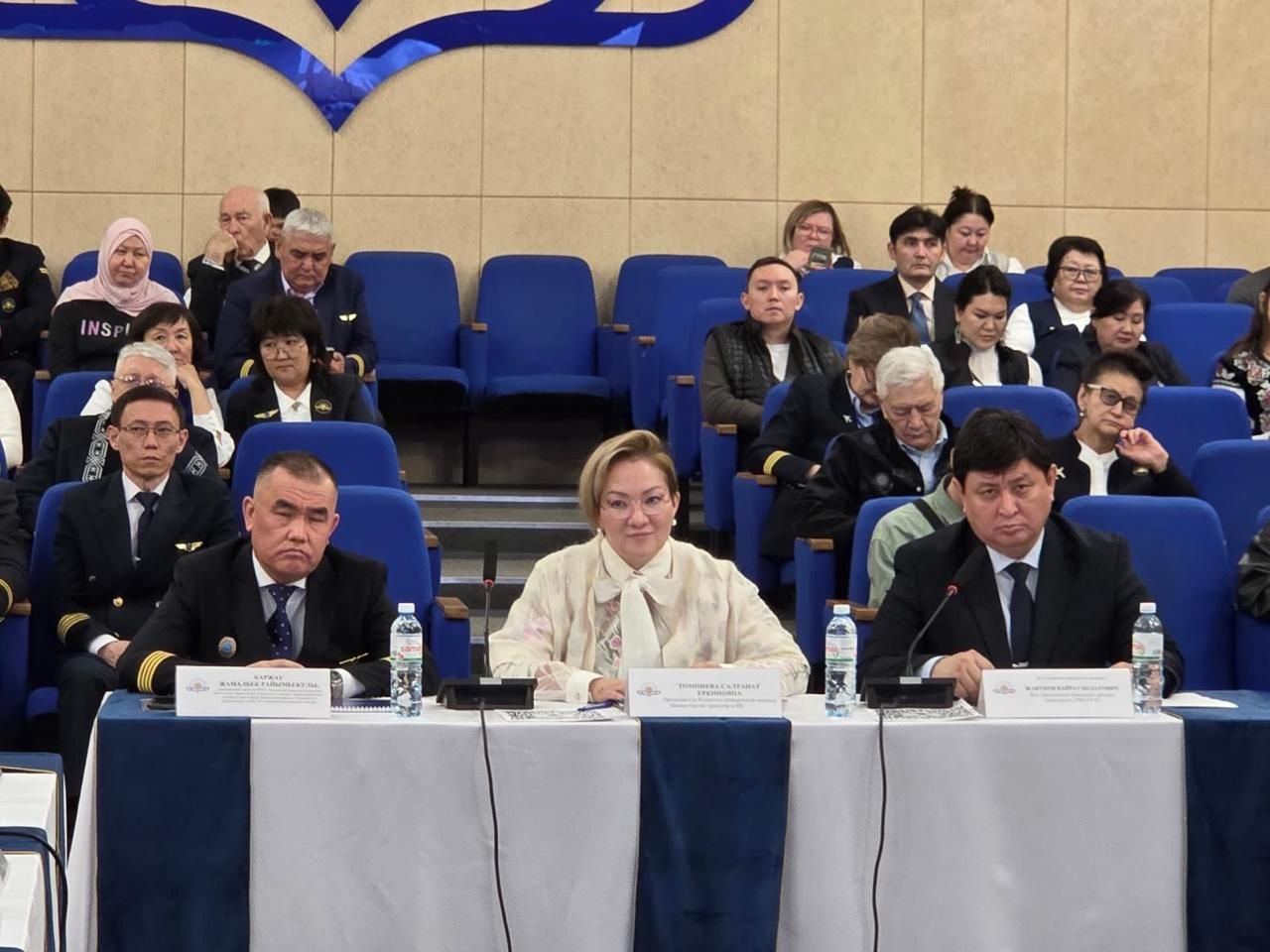
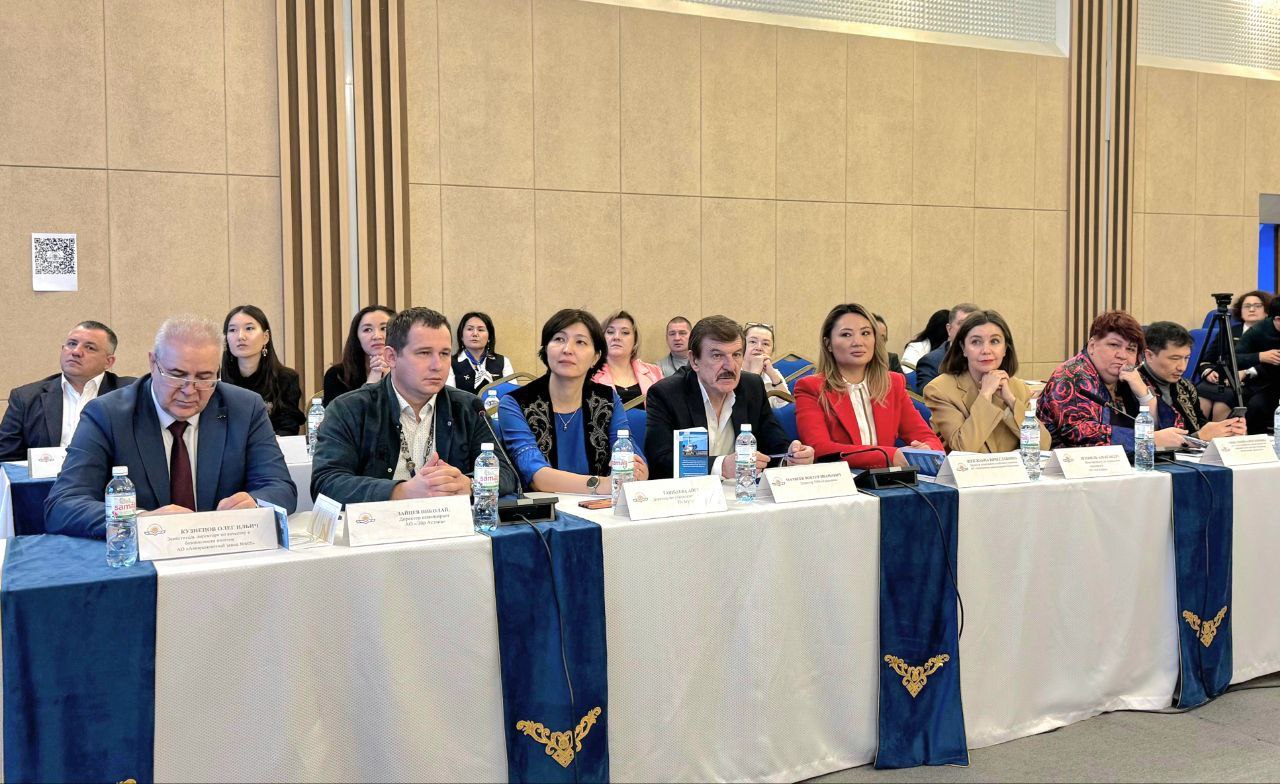
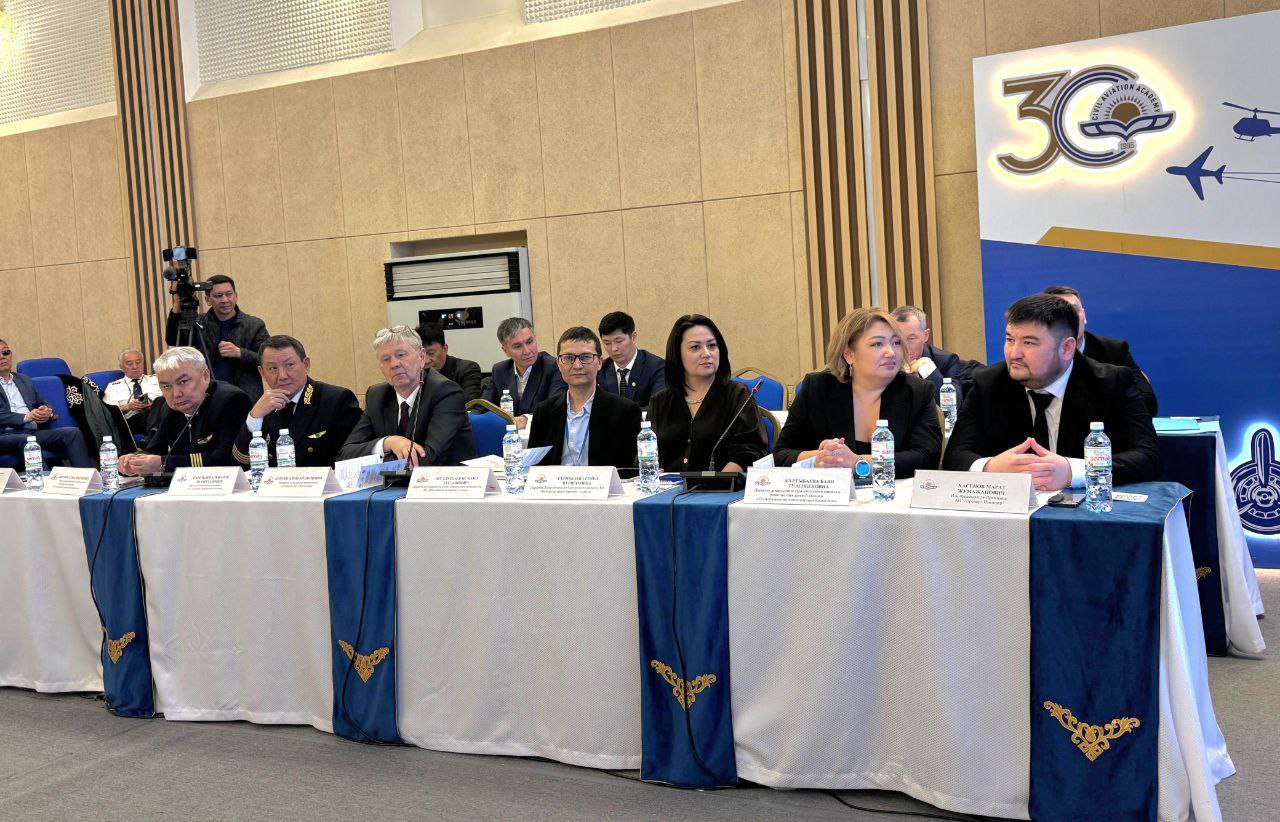
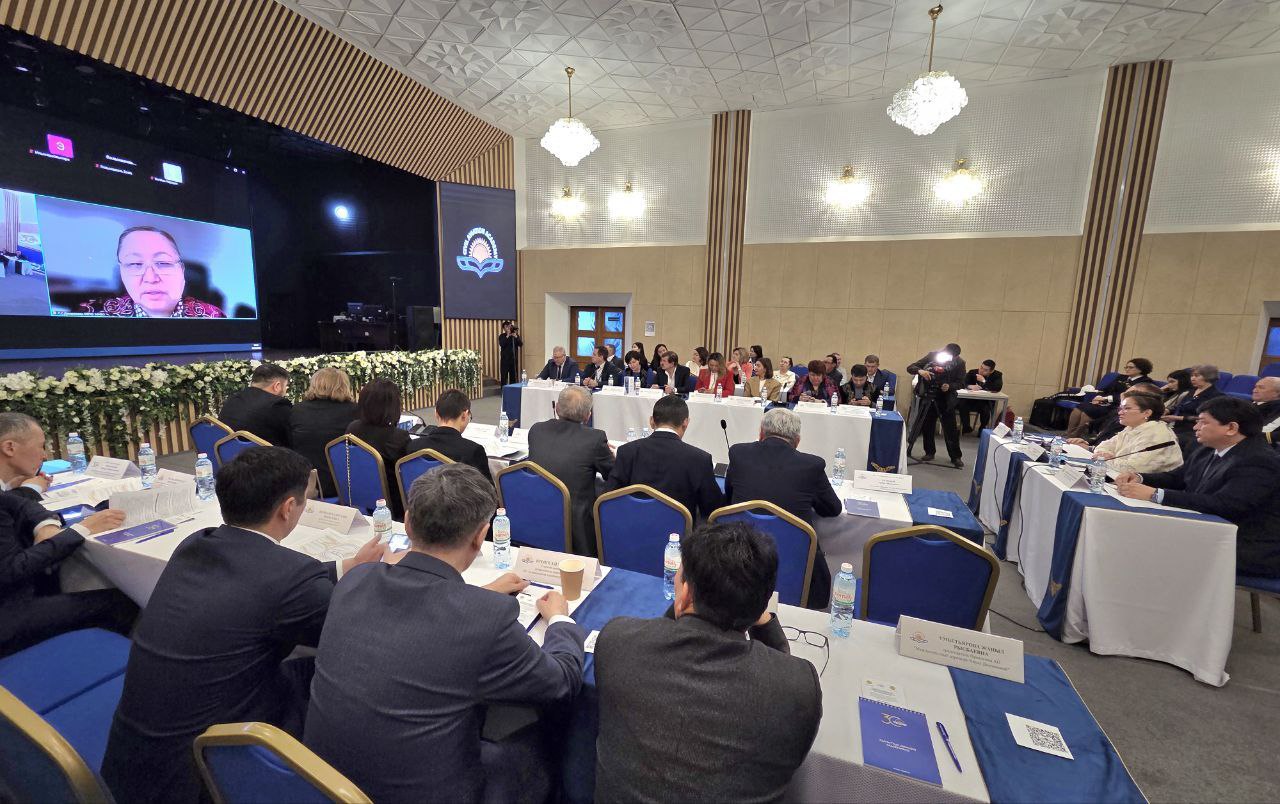
An expert session on the development of the Industry Atlas of Emerging Professions and Competencies was held in Almaty, bringing together representatives of government agencies, airlines, airports, industry enterprises, and the expert community.
The event was attended by the ICAO Global Ambassador in Kazakhstan and Chairperson of the Civil Aviation Committee of the Ministry of Transport of the Republic of Kazakhstan, Saltanat Tompiyeva; Acting Rector of the Academy of Civil Aviation, Kairat Zhakupov; and Chairperson of the Committee for Higher and Postgraduate Education of the Ministry of Science and Higher Education of the Republic of Kazakhstan, Gulzhan Jarassova.
The draft Atlas presented at the event underwent expert review and was coordinated with key industry stakeholders, including airlines and aviation enterprises.
“The Atlas outlines a list of перспективные professions and key competencies for the next 15 years. Global air transport volumes are expected to continue growing, which will require a strong, highly skilled workforce. Capacity building is one of the key priorities of the ICAO Global Ambassador Programme. The Industry Atlas enables a shift from general understanding to concrete solutions in workforce development and helps establish unified benchmarks for the industry,” noted S. Tompiyeva.
One of the key findings of the Atlas is the rapid emergence of fundamentally new professions associated with digitalization, artificial intelligence, sustainable development, and unmanned technologies. Among the most notable and unconventional roles are AI-based air traffic system designers, developers of intelligent air traffic management systems, cyberpsychologists and pilot resilience coaches, hydrogen safety engineers, and SAF (Sustainable Aviation Fuel) supply chain architects—new energy specialists responsible for the environmental transformation of aviation—as well as emotional logistics analysts and passenger experience architects.
Special attention is given to the development of unmanned aviation, which represents an entire ecosystem of professions—from UAS operators to platform architects and robotics engineers.
Pilots, engineers, and air traffic controllers of the future will work in close integration with automated systems, artificial intelligence, and digital twins. Accordingly, the Atlas highlights a declining relevance of professions associated with manual data processing, low-automation ground handling, and basic dispatching and logistics operations.
Despite rapid technological progress, human capital remains the key driver of industry development. The aviation sector is already facing a workforce shortage, which may become significant by 2029. In this regard, as an ICAO Global Ambassador, Saltanat Tompiyeva emphasized that Kazakhstan is focusing on the proactive development of human capital in line with the priorities of the ICAO Strategic Plan through 2050.
This effort is also being advanced through the ICAO Global Ambassador Programme, which brings together 25 industry representatives from countries such as Argentina, the United Kingdom, Georgia, Italy, Canada, and Japan, as well as three regional champions from Guyana, Portugal, and Sri Lanka.
Participants emphasized that the Atlas serves multiple purposes: it supports the government in shaping workforce policy and educational demand, provides businesses with guidance for talent development, and acts as a navigator for young people choosing a career in aviation.