21/10/2026
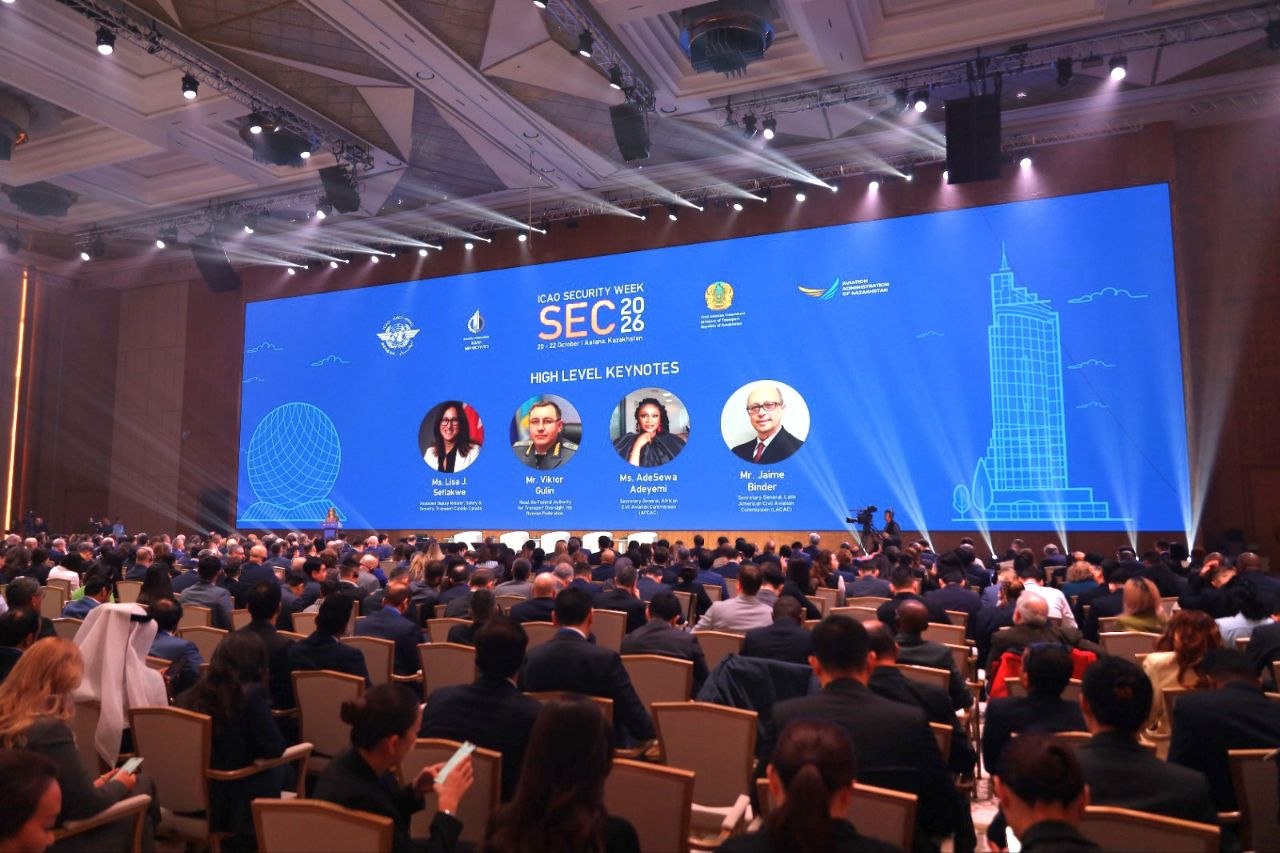
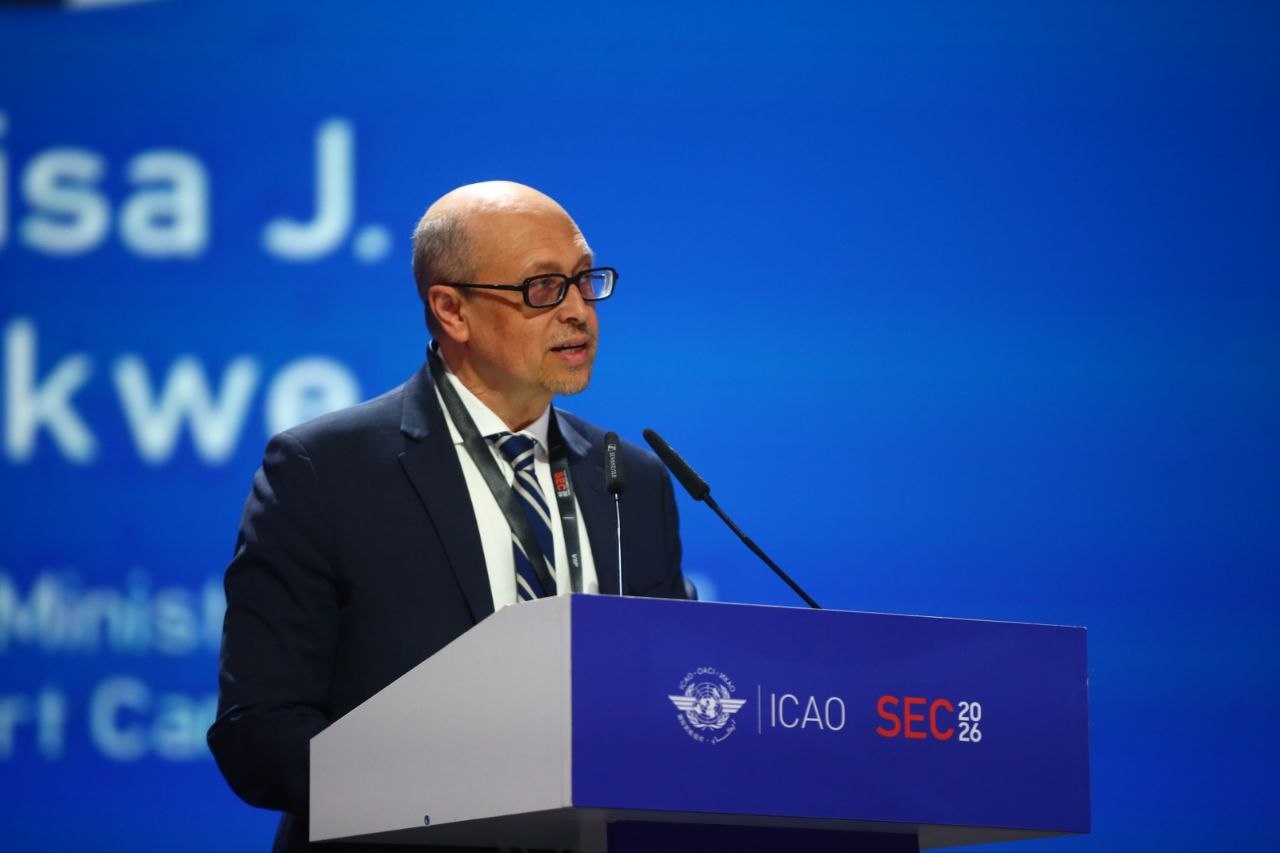
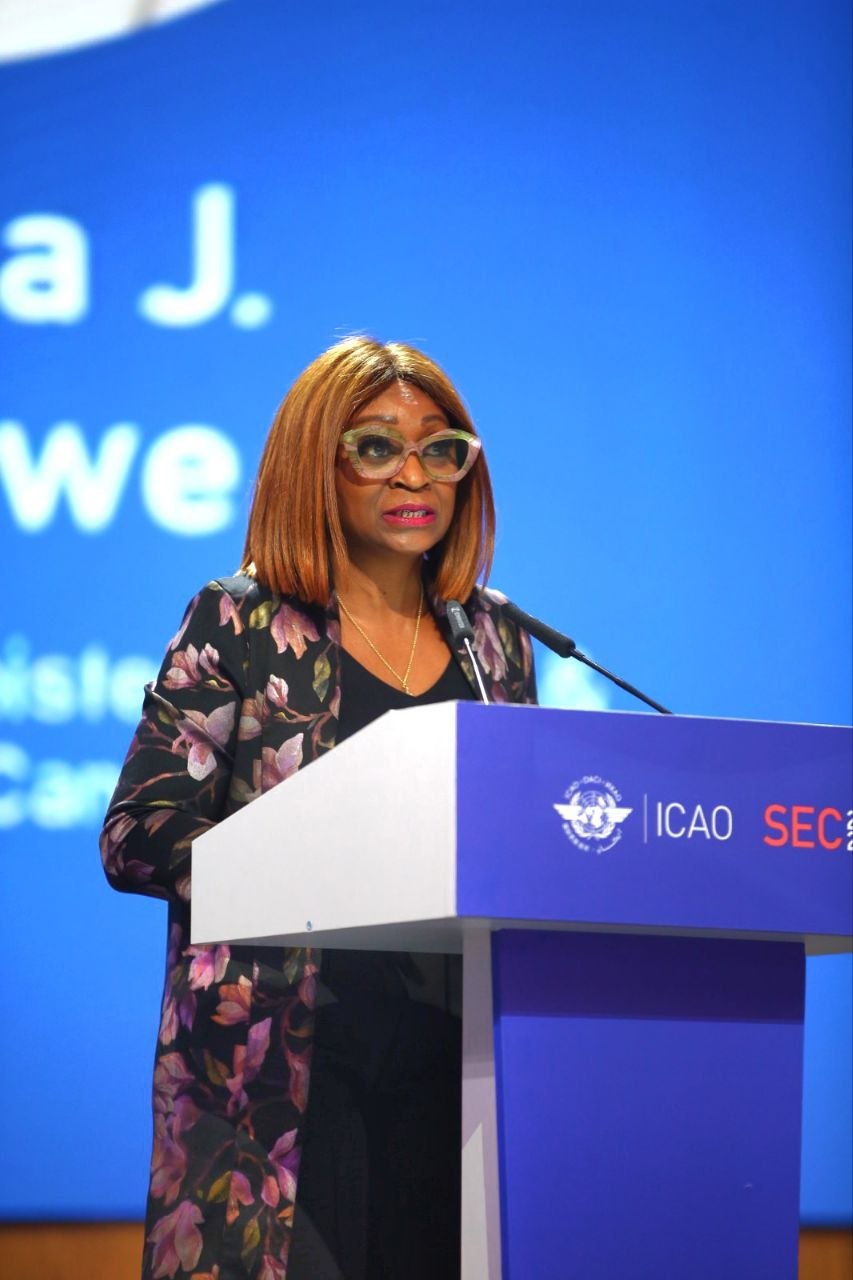
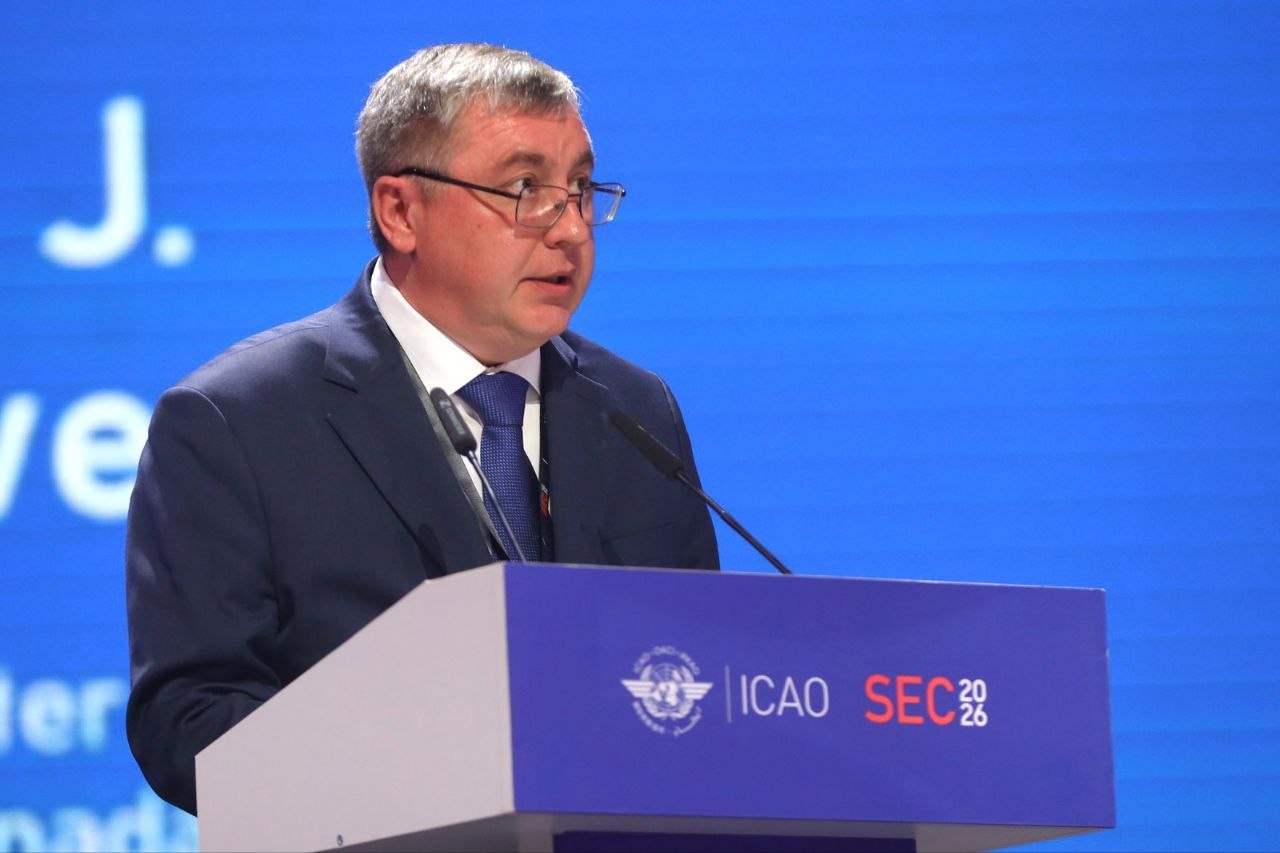
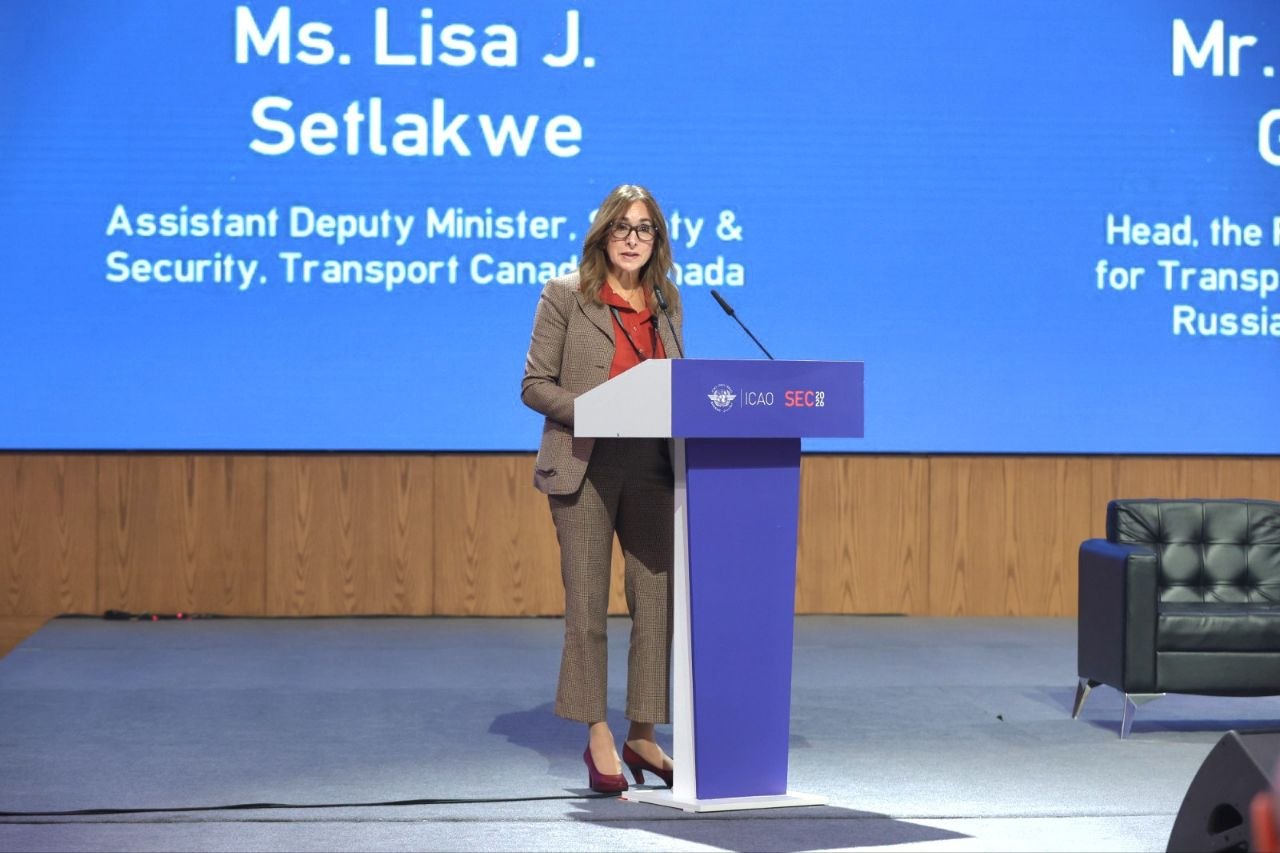
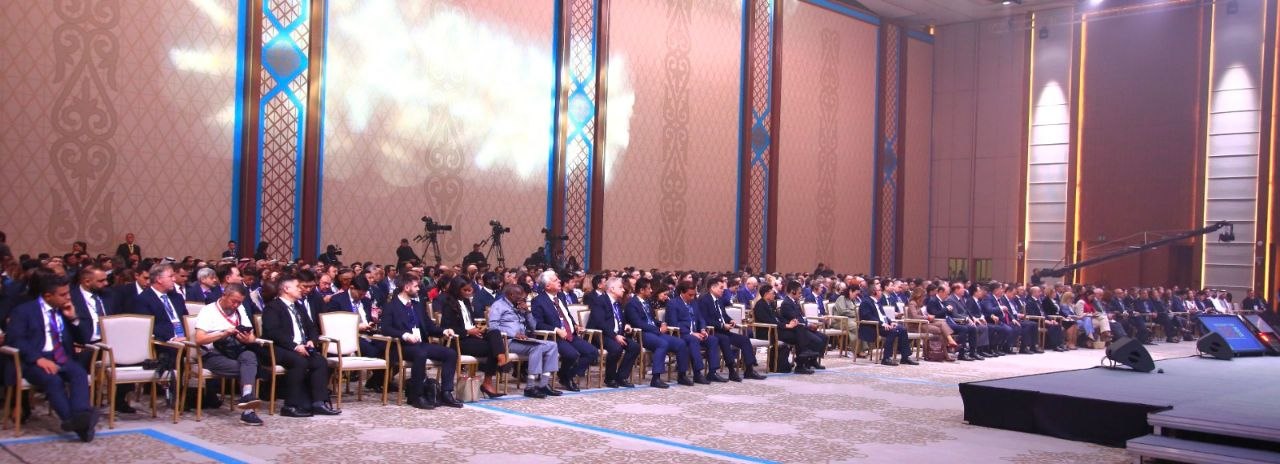
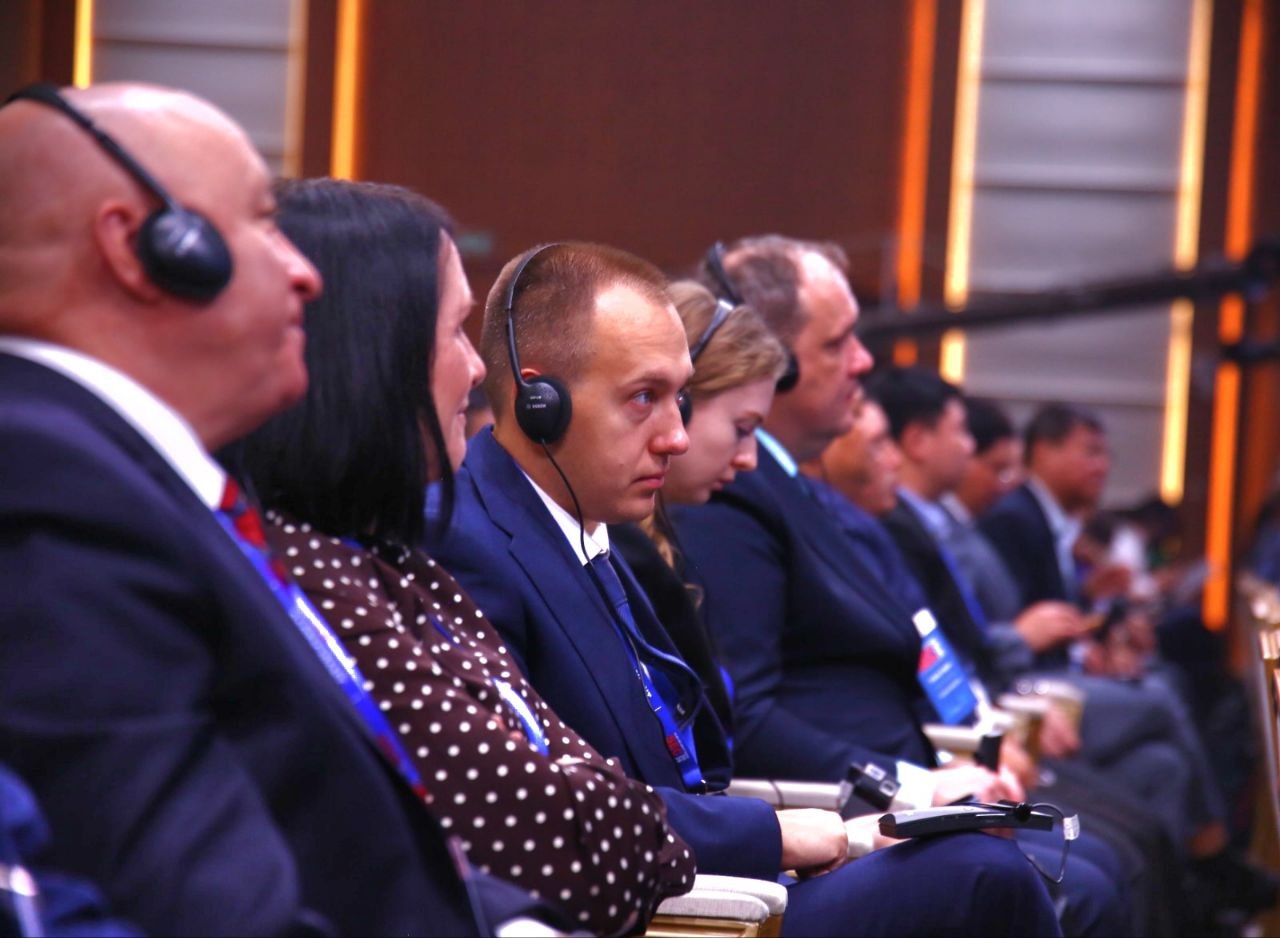
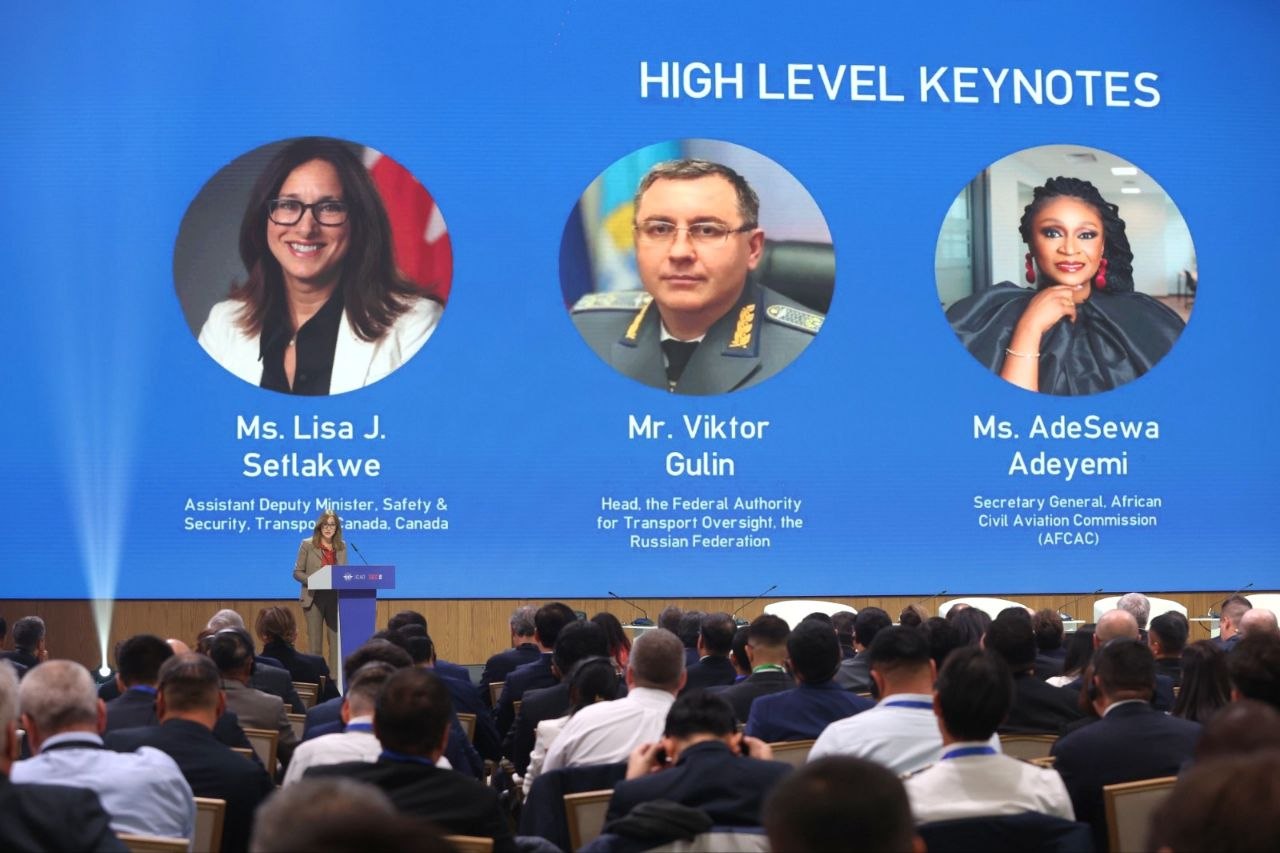
A high-level speaker session took place in Astana as part of the International Civil Aviation Organization (ICAO) Aviation Security Week – ICAO Security Week 2026. The central themes of the session were strengthening international cooperation, enhancing state oversight, and applying modern technologies to safeguard civil aviation.
Keynote addresses were delivered by Lisa J. Setlakwe, Assistant Deputy Minister of Safety and Security at Transport Canada; Viktor Gulin, Head of the Federal Transport Oversight Service of the Russian Federation (Rostransnadzor); AdeSewa Adeyemi, Secretary General of the African Civil Aviation Commission (AFCAC); and Jaime Binder, Secretary General of the Latin American Civil Aviation Commission (LACAC).
During the session, Lisa Setlakwe highlighted the necessity for coordinated action among states amidst growing geopolitical tensions, armed conflicts, and rising cyber threats. She paid special attention to ICAO’s role in developing international standards and the timely exchange of threat intelligence, including through Canada’s Safer Skies initiative.
"No state, regardless of the sophistication of its aviation system or the strength of its security measures, can face these challenges alone," emphasized Lyne Setlakwe.
Viktor Gulin outlined approaches to enhancing state oversight, preventing regulatory violations, and countering terrorism. In particular, he addressed the alignment of national oversight systems with the ICAO Universal Security Audit Programme (USAP), as well as the use of self-assessment mechanisms by aviation organizations and public declarations of compliance with mandatory requirements. He also noted the risks associated with the use of artificial intelligence in launching cyberattacks.
"The fight against terrorism in international civil aviation must not be declarative; it must be systematic, consistent, and grounded in the most advanced control and prevention tools," noted Viktor Gulin.
AdeSewa Adeyemi presented AFCAC’s initiatives to support African states in preparing for ICAO audits and implementing corrective action plans.
"Digitalization is the bridge between security and facilitation. Secure digital tools, passenger information sharing, and reliable border processes help states know who is traveling, expedite the processing of legitimate passengers, and focus resources where risks are highest. Our goal is seamless and secure travel across African borders," said AdeSewa Adeyemi.
Jaime Binder shared the experience of inter-state cooperation in Latin America and the Caribbean under the joint ICAO/LACAC Regional Group. The group’s scope includes cargo security, cybersecurity, risk assessment, capacity building, and passenger data management. The speaker stressed the shared responsibility of states to protect international civil aviation and highlighted the intrinsic connection between security measures and facilitation.
"In aviation, security is a shared responsibility. A passenger boarding an aircraft at one airport carries with them trust in that state's regulatory and security authorities. Upon arrival in another country, that trust becomes part of a much broader system. No single authority can guarantee the security of the entire global network alone. We depend on each other," emphasized Jaime Binder.
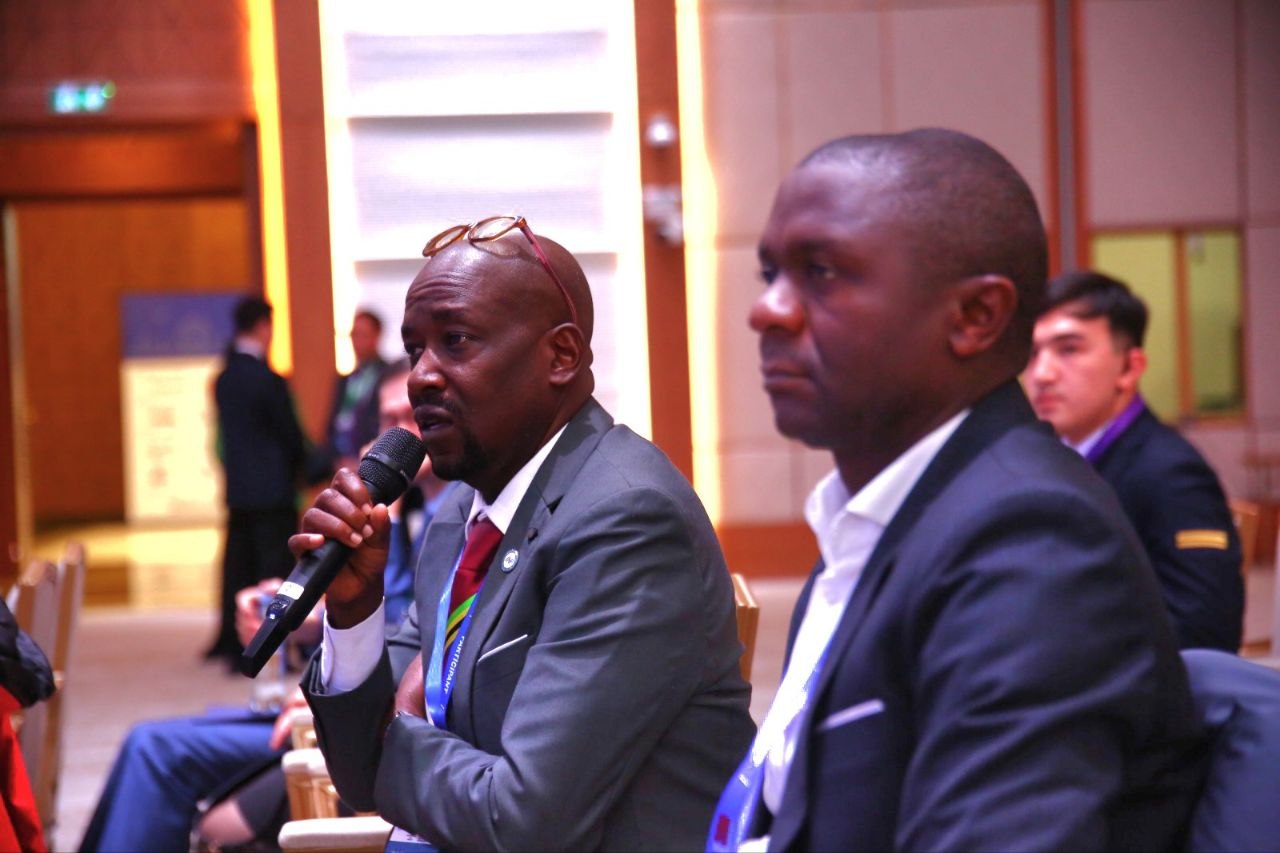
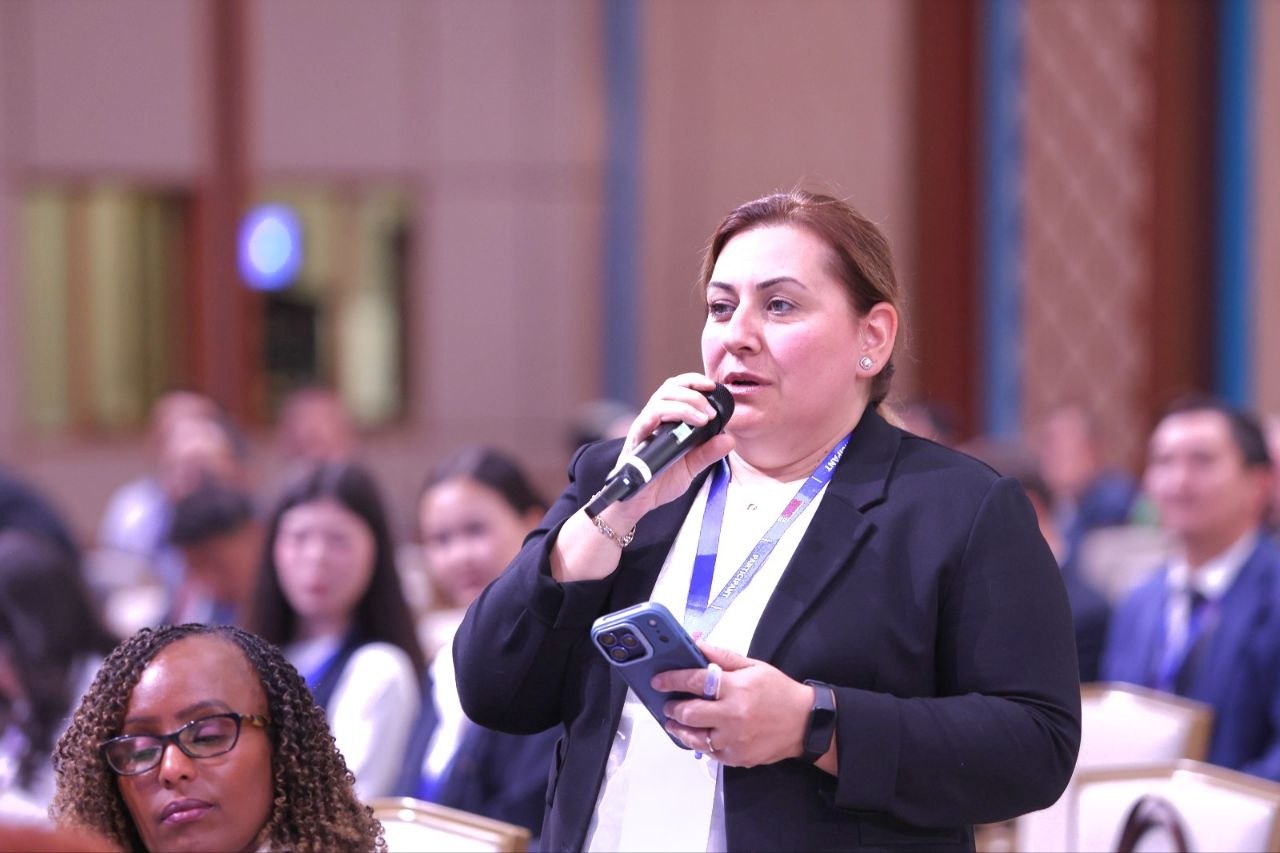
Session participants highlighted the critical importance of information sharing, practical experience exchange, human resource development, and the consistent implementation of ICAO standards. Representatives of states and regional organizations expressed their gratitude to Kazakhstan and ICAO for hosting the event and creating a constructive platform for international dialogue on pressing aviation security issues.