23/10/2026
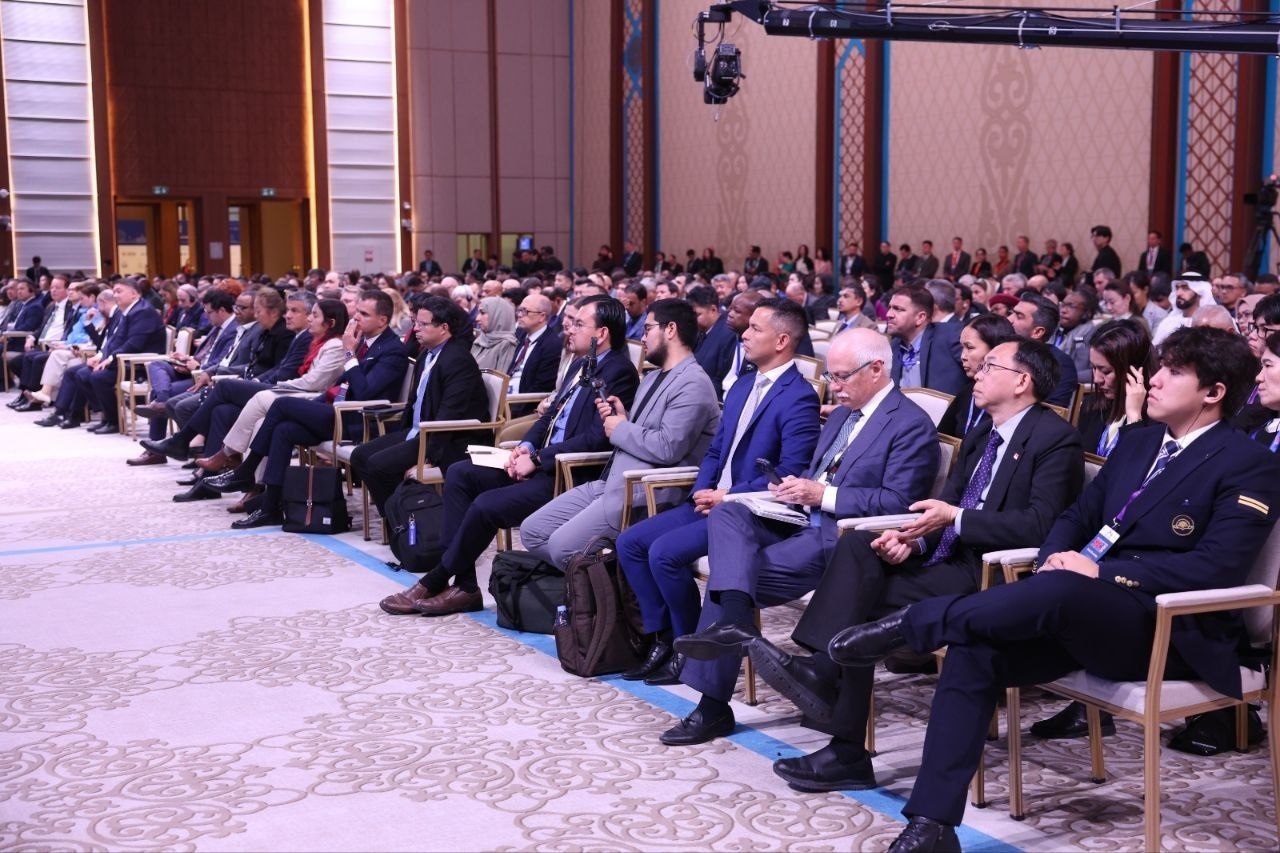
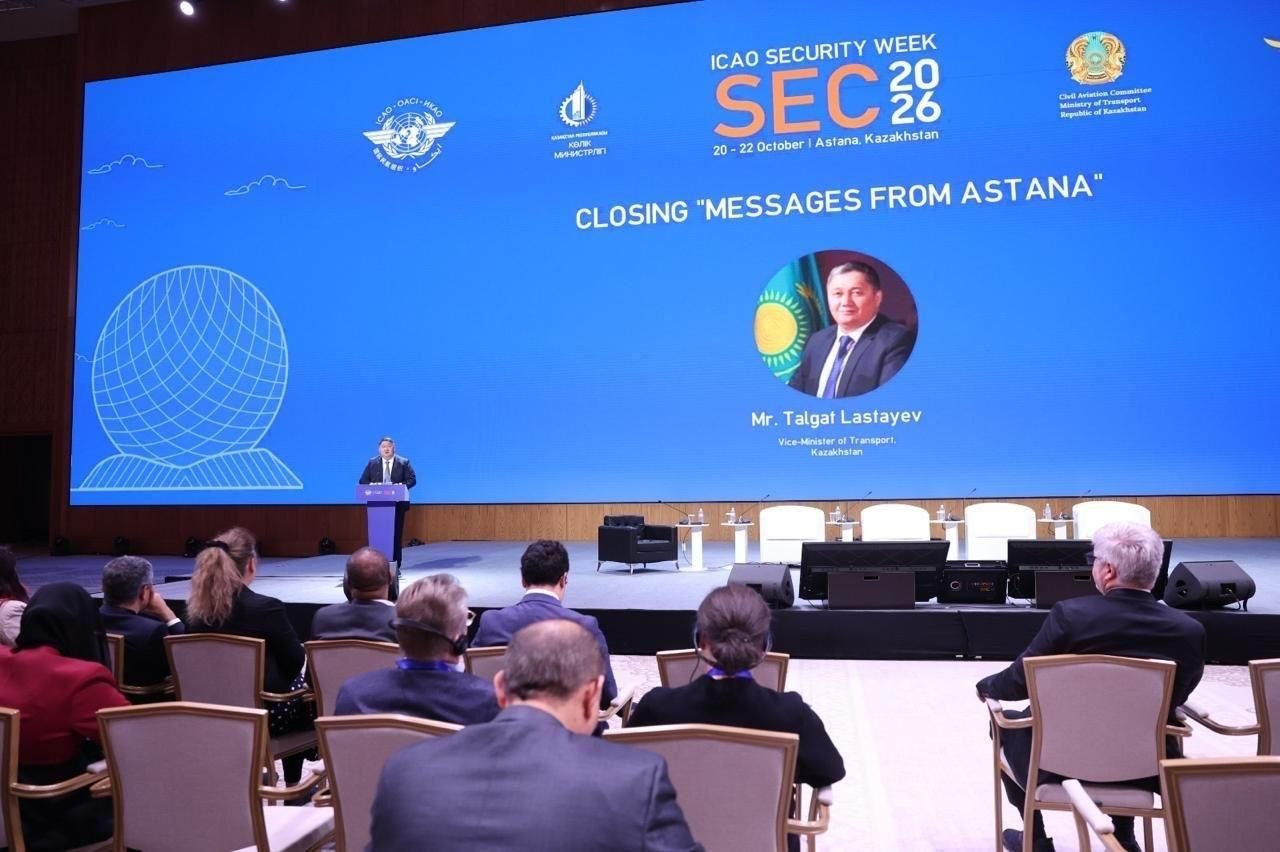
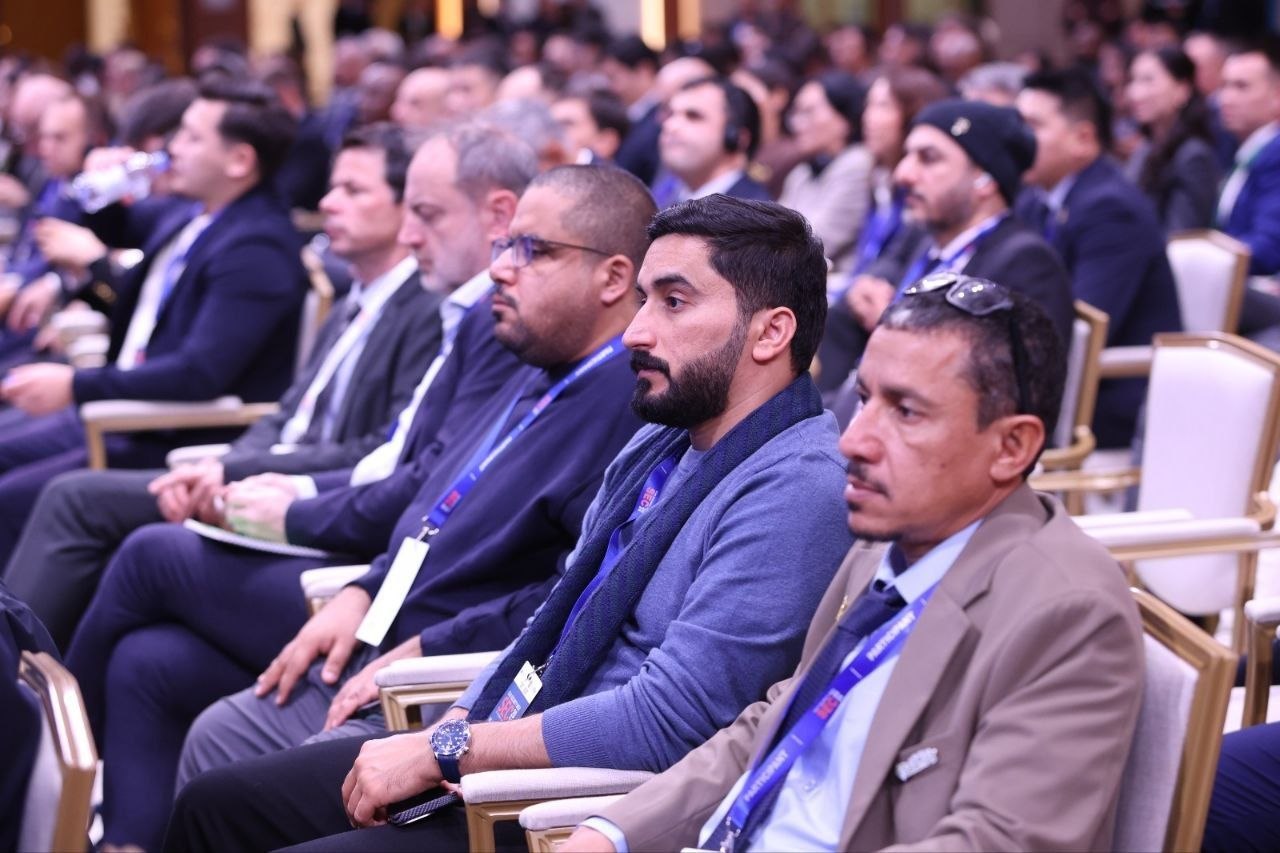
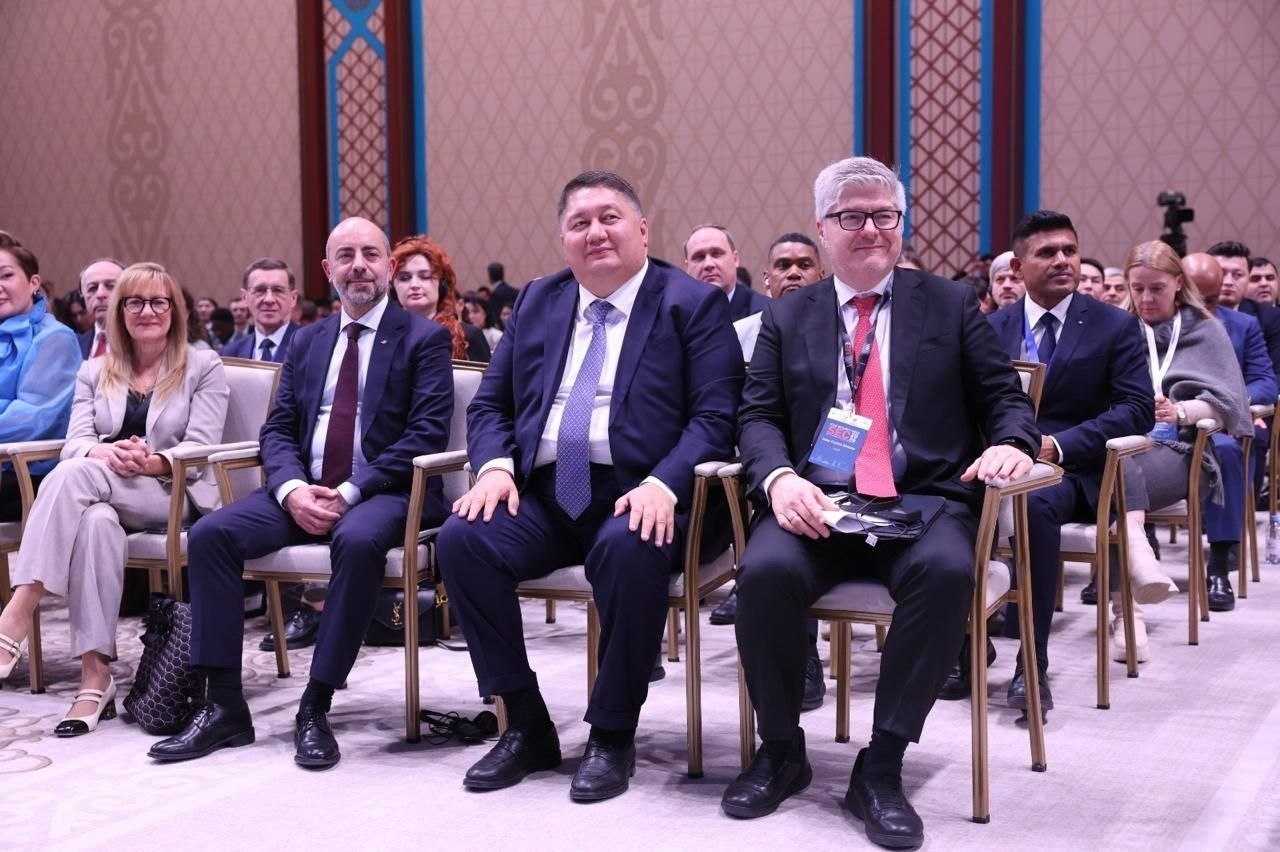

The 2026 International Civil Aviation Organization (ICAO) Security Week, known as ICAO Security Week 2026, concluded in Astana after taking place in Kazakhstan for the first time from 20 to 22 October. The large-scale international event brought together more than 1,000 participants from 62 countries, serving as a major platform for discussing emerging challenges, sharing experience and developing practical solutions in aviation security.
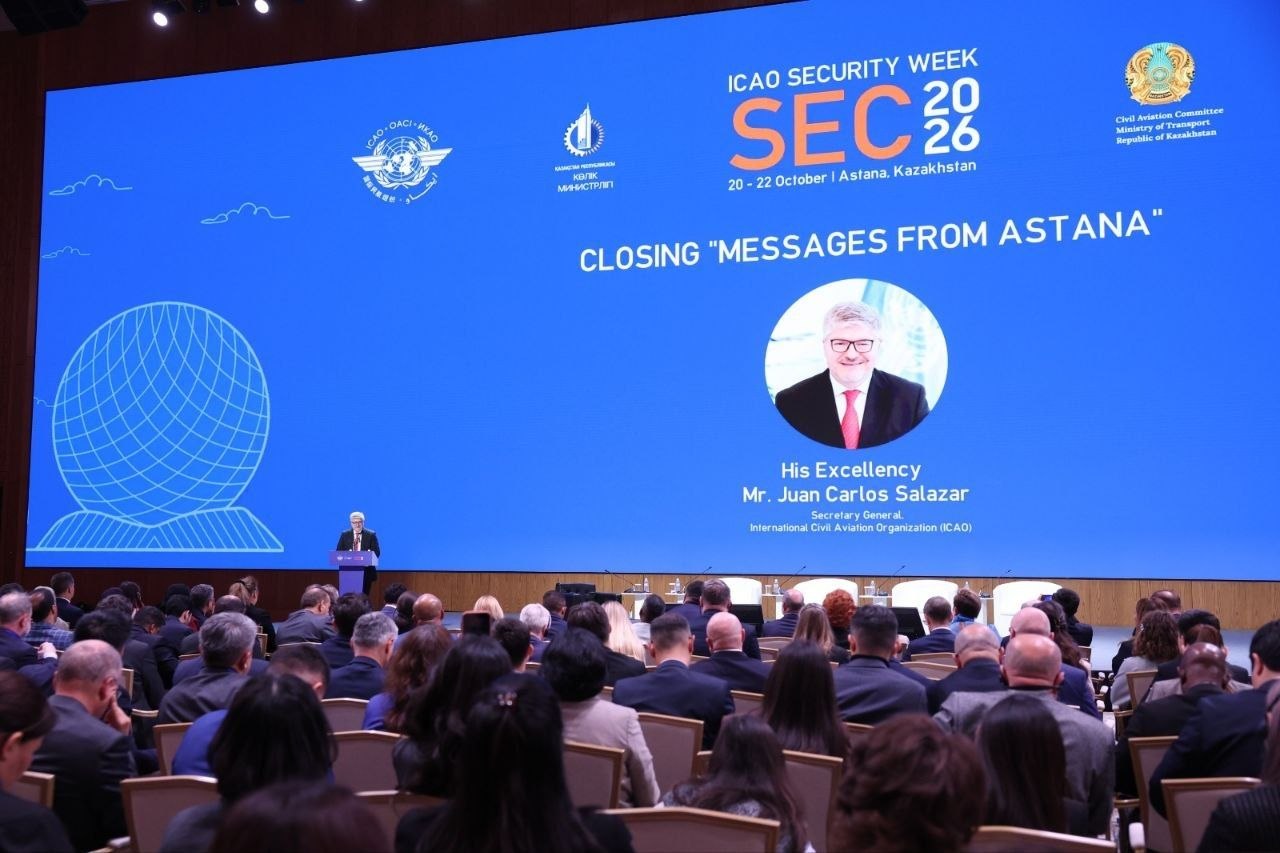
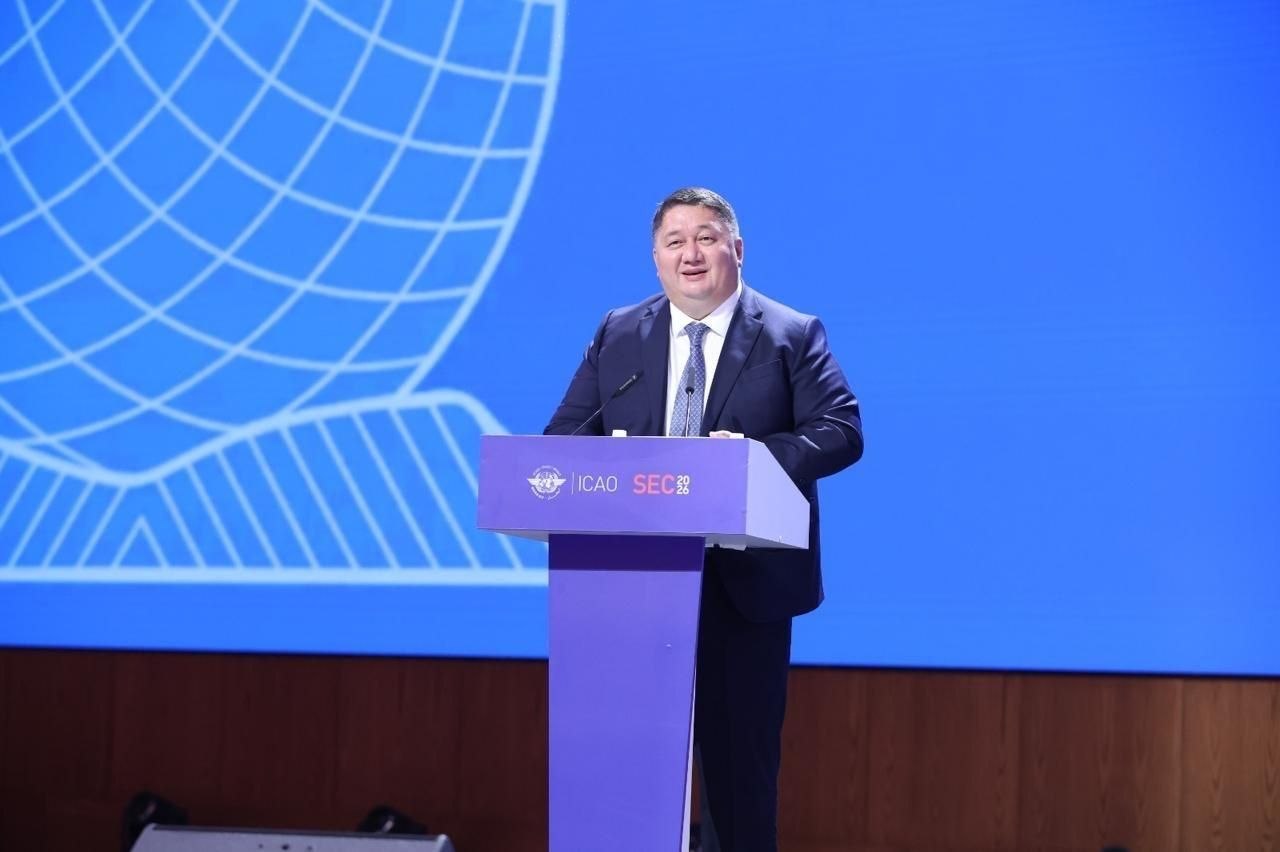
The symposium concluded with a session entitled “Messages from Astana,” which reviewed the outcomes of the international discussions and outlined key areas for further joint action to strengthen the global aviation security framework.
The session was attended by ICAO Secretary General Juan Carlos Salazar; Talgat Lastayev, Vice Minister of Transport of the Republic of Kazakhstan; Nicolas Rallo, Regional Director of the ICAO European and North Atlantic Office (EUR/NAT); and Bernard Lim, Senior Director for International Relations and Security at Singapore’s Ministry of Transport.
Addressing rapidly evolving security threats requires not only improvements to international standards, but also concrete action at the national and regional levels, stronger trust between States, information sharing and the adoption of modern technologies. On behalf of the ICAO Regional Office, Nicolas Rallo outlined the key commitments the Office intends to pursue. These include strengthening regional cooperation, particularly through the Regional Aviation Security and Facilitation Group; reinforcing partnerships and building professional capacity by expanding cooperation, including with ICAO training centres, with a particular focus on innovation, professional training and skills development; and enhancing interregional cooperation and mutual trust.
“This is about strengthening links between different areas of security, as well as fostering cooperation between regions and international partners. No State can address all modern threats on its own. Likewise, no region can ensure absolute security solely through its own efforts. We must therefore trust one another, share knowledge, experience and information, and act in a coordinated manner,” said Nicolas Rallo.
In his remarks, Talgat Lastayev, Vice Minister of Transport of the Republic of Kazakhstan, highlighted four key messages from Astana that should be translated into practical action.
First, national aviation security systems must be continuously improved. Concrete measures should take into account each State’s national circumstances and capabilities, delivering tangible improvements in practice.
Second, cybersecurity, the protection of cargo and mail, the risks associated with flights near conflict zones, and the unlawful use of unmanned aircraft systems require sustained attention and coordinated responses. Digitalization and artificial intelligence offer new opportunities, but they are also changing the nature of security threats. Strengthening information sharing and cooperation between countries is therefore essential.
Third, international cooperation remains vital. Although States have different capabilities, they all share a common interest in safe and sustainable aviation.
“Fourth, investment in people is essential to the development of international civil aviation. Modern infrastructure and technologies cannot replace well-trained professionals. Kazakhstan places particular emphasis on aviation education and the development of professional competencies. In this context, we are planning to establish a new specialized higher education institution to train professionals for the aviation industry,” stated the Vice Minister of Transport of the Republic of Kazakhstan.
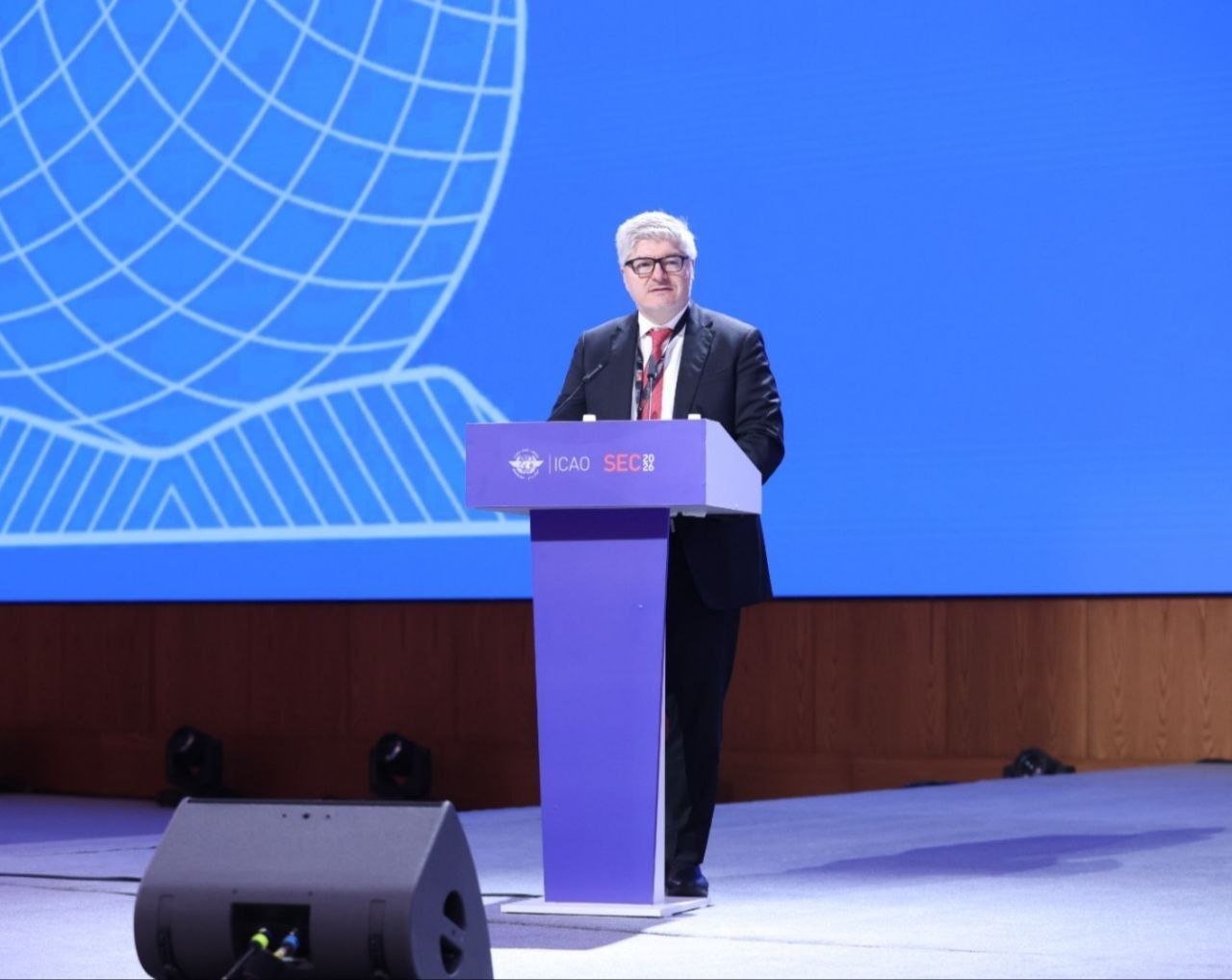
Concluding the session, ICAO Secretary General Juan Carlos Salazar shared his key takeaways from ICAO Security Week in Astana. He stressed that anticipating threats and taking proactive measures must become standard practice. This requires making use of the most comprehensive and reliable information available on incidents, emerging risks and changes in the security environment. Such information is an essential component of the aviation security system and must be accessible to every State and every operator.
“Strengthening global aviation security requires closer cooperation both within States and among them, as well as collaboration across sectors, government authorities, aviation organizations and international partners. It is also important to remember that people are at the heart of aviation security. Technologies, regulatory requirements and modern security systems provide the necessary foundation. Ultimately, however, it is people who ensure that these systems function effectively,” emphasized the ICAO Secretary General.
Three days of international dialogue covered a broad range of issues, from identifying global challenges to developing practical solutions. An important part of the programme focused on the implementation of ICAO’s Global Aviation Security Plan (GASeP). Particular emphasis was placed on the need to move beyond formal compliance with requirements towards achieving sustainable, measurable results.
The discussions also addressed ways to strengthen state oversight, develop corrective action plans based on audit findings and improve the effectiveness of ICAO Standards implementation.
A substantial part of the professional discussions focused on threats that are becoming increasingly relevant as the aviation industry undergoes digital transformation. Experts examined the protection of critical information systems used by airports and airlines, measures to counter cyberattacks, and ways to enhance the resilience of aviation infrastructure.
In discussions on threats posed by unmanned aircraft systems, participants highlighted the need for closer coordination among States, the aviation industry and national security authorities.
Another key topic was the sustainable development of aviation security systems amid limited financial, human and time resources. Experts explored how airports and aviation authorities can introduce modern technologies while maintaining the effectiveness and reliability of security systems.
A panel session on the role of professional diversity and the human factor in strengthening industry resilience attracted particular interest. Participants discussed how leadership development, professional competencies and equal opportunities can contribute to improving the effectiveness of aviation security systems.
A session featuring ICAO Secretary General Juan Carlos Salazar also explored ways to attract young people to the aviation industry, improve professional education and facilitate knowledge transfer between generations of aviation professionals.
The principal outcome of ICAO Security Week was a shared understanding that further progress in aviation security must be grounded in practical action, international solidarity and the ability of States to adapt promptly to emerging challenges.
Hosting ICAO Security Week 2026 in Astana was a significant event for Kazakhstan and the wider Central Asian region, reaffirming the country’s growing role in the international aviation agenda.
The ICAO Secretary General and participants in the event commended the high standard of organization and praised the hospitality and warm welcome extended by the Kazakh side.
Kazakhstan demonstrated its readiness not only to implement international standards, but also to actively contribute to shaping new approaches to aviation security, advancing professional cooperation and promoting ICAO initiatives.
The priorities identified during ICAO Security Week 2026 will provide a foundation for continued cooperation among States and international organizations to strengthen the global aviation security framework and ensure a safe future for civil aviation.