28/10/2026
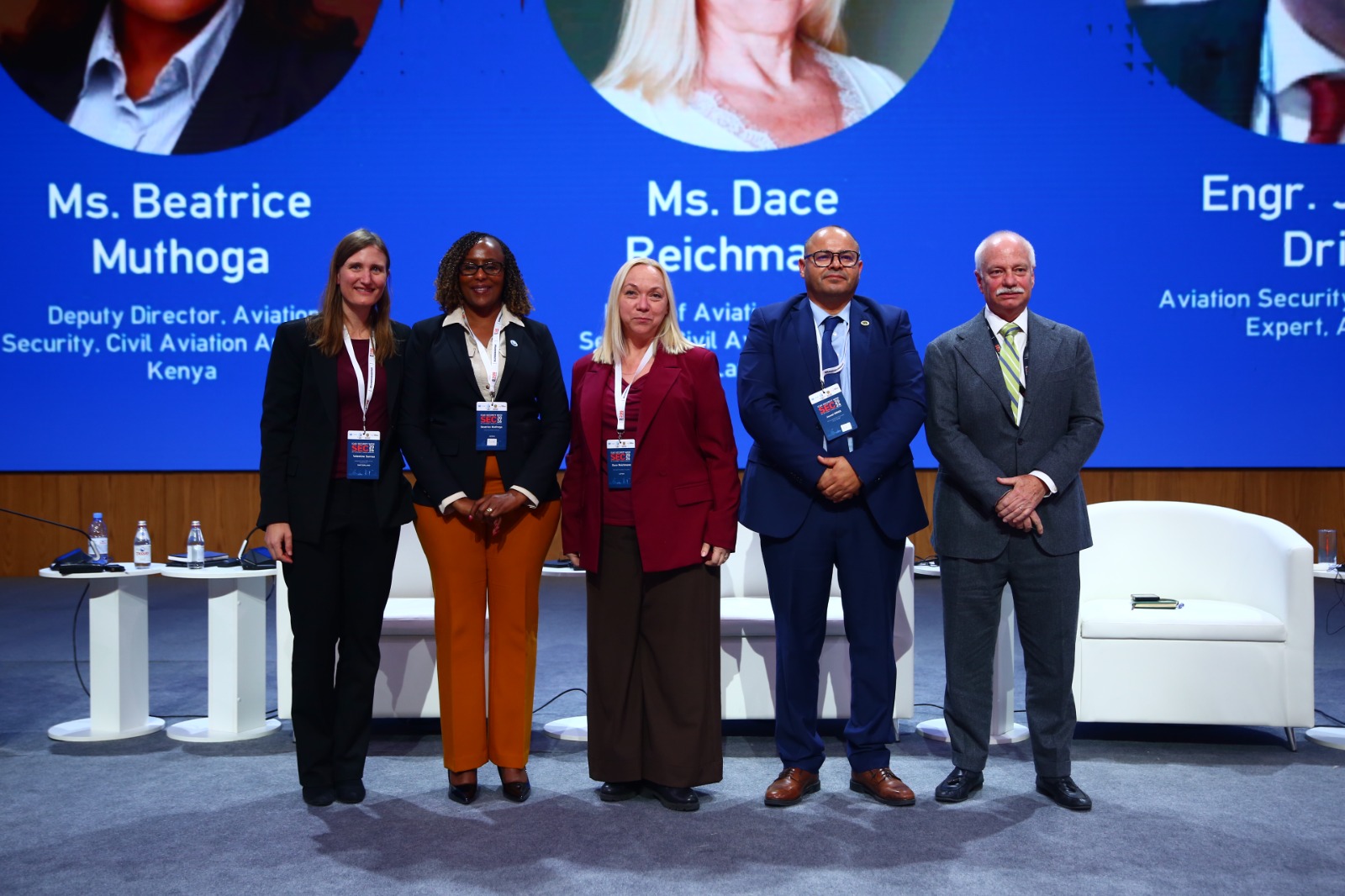
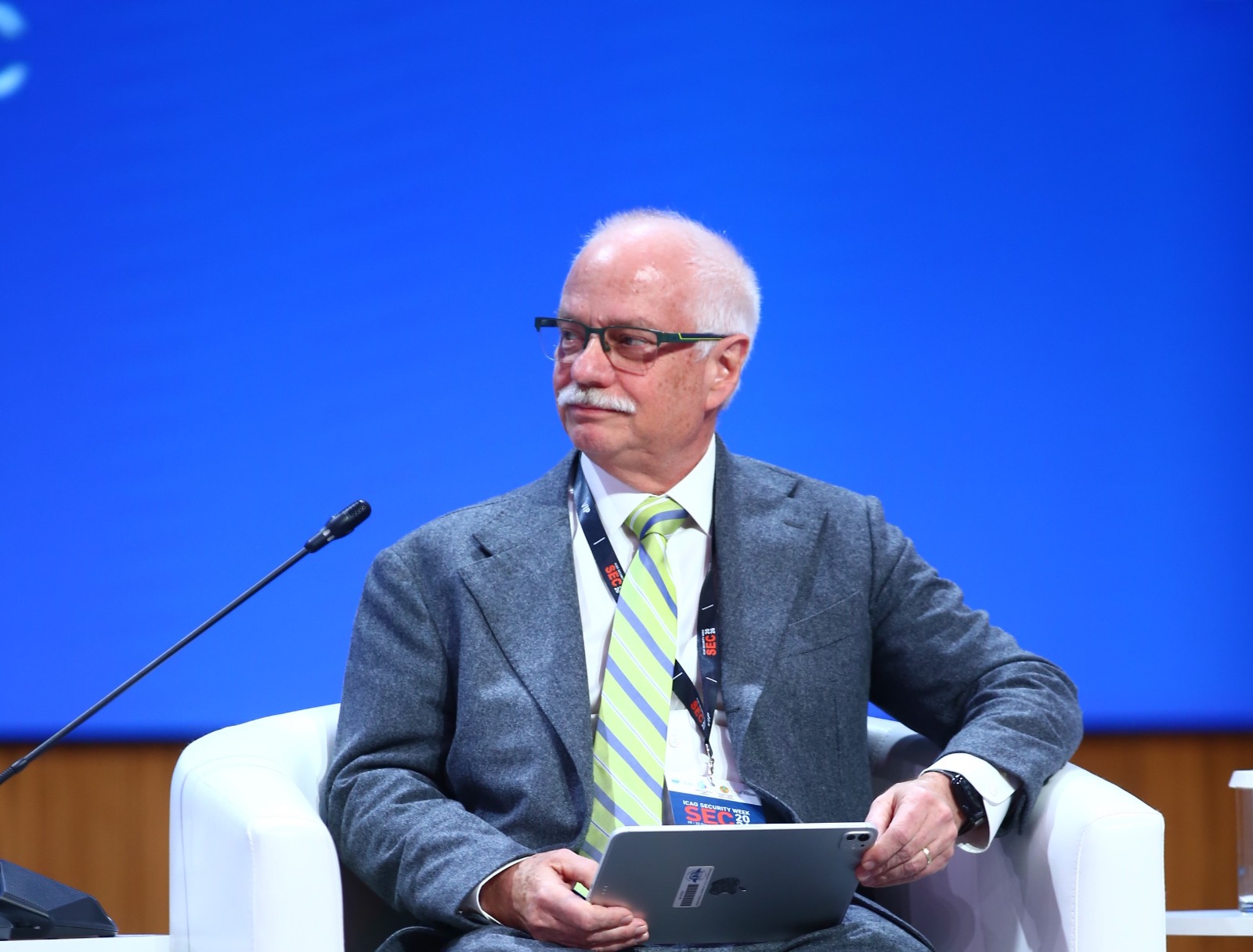

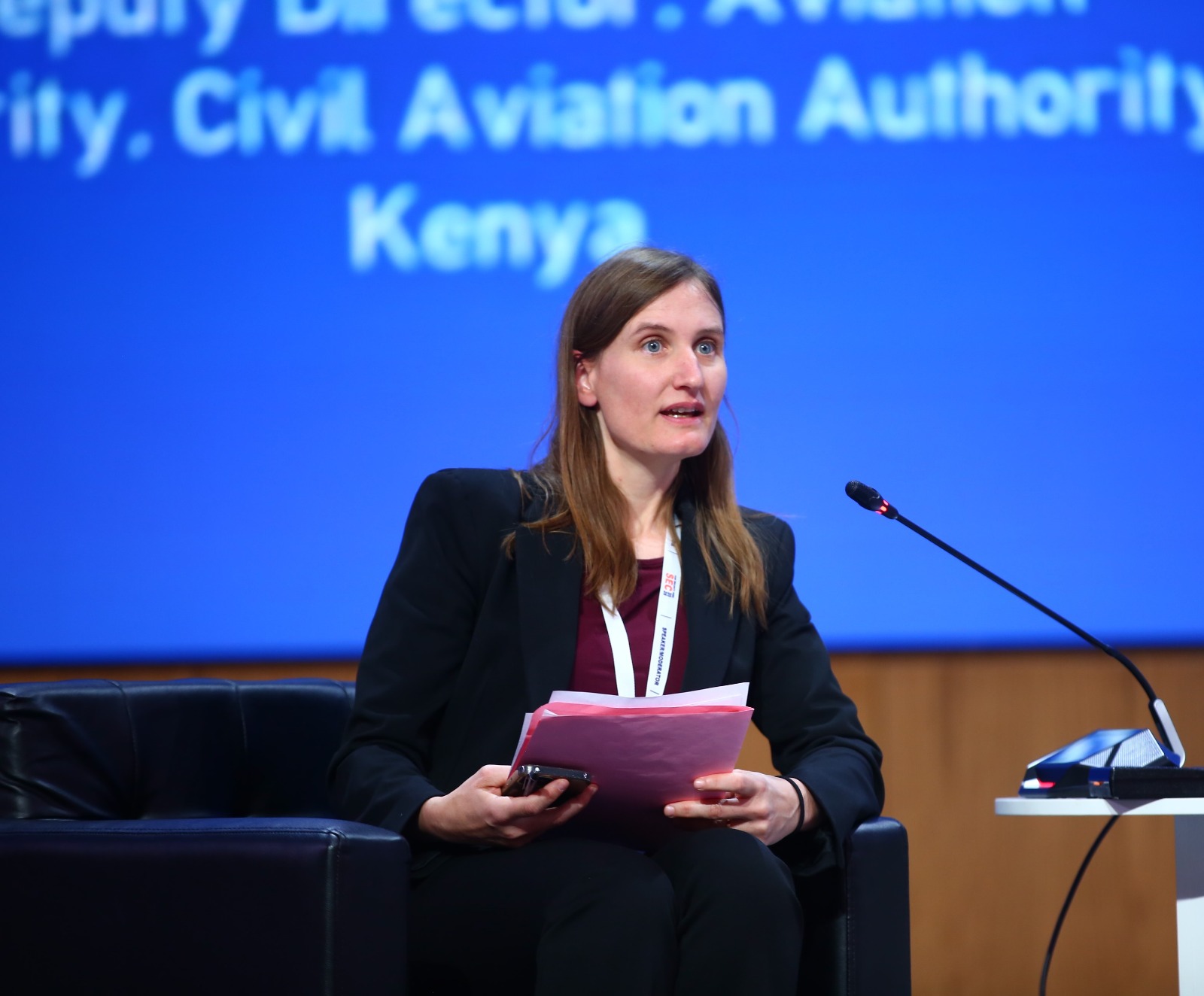
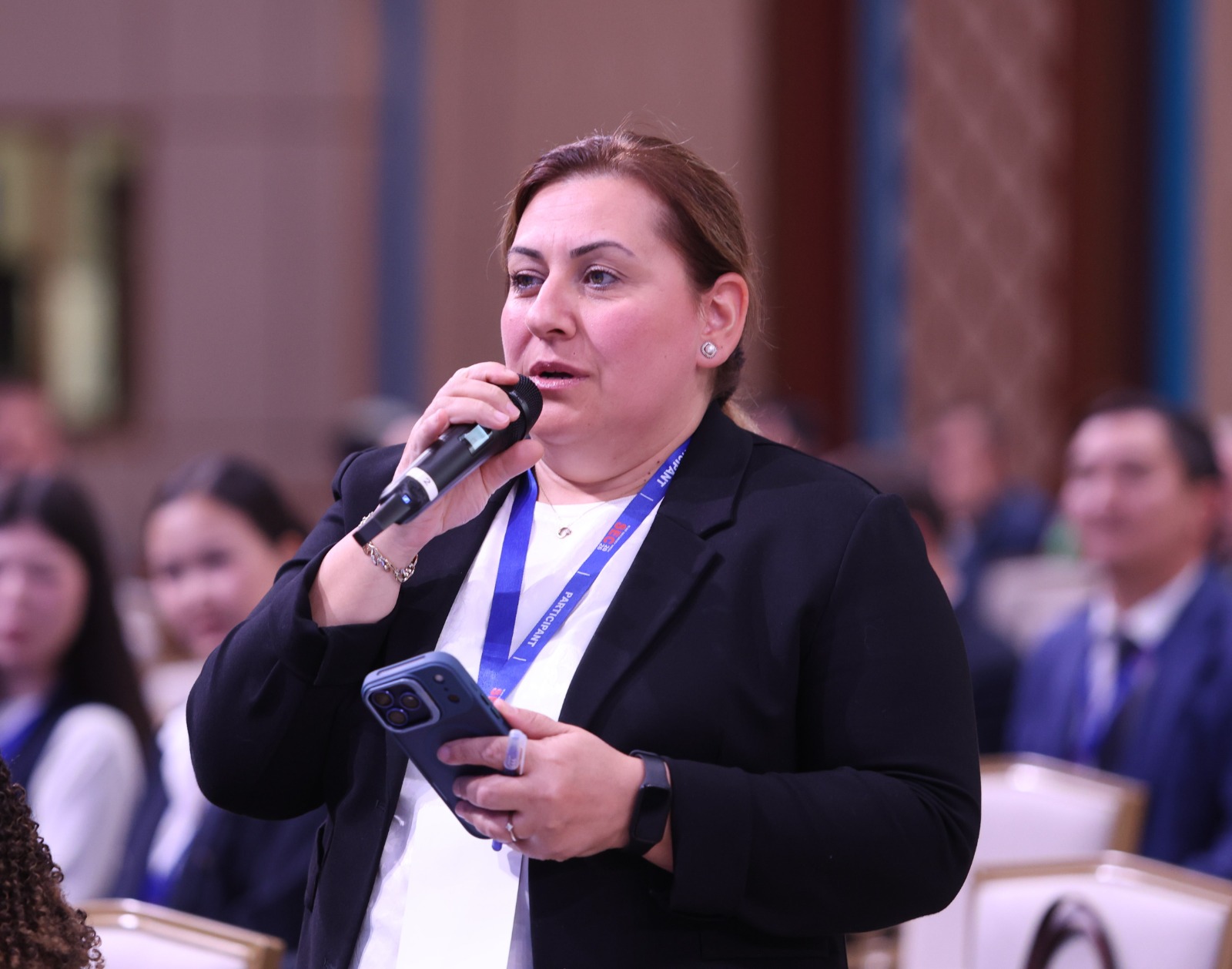


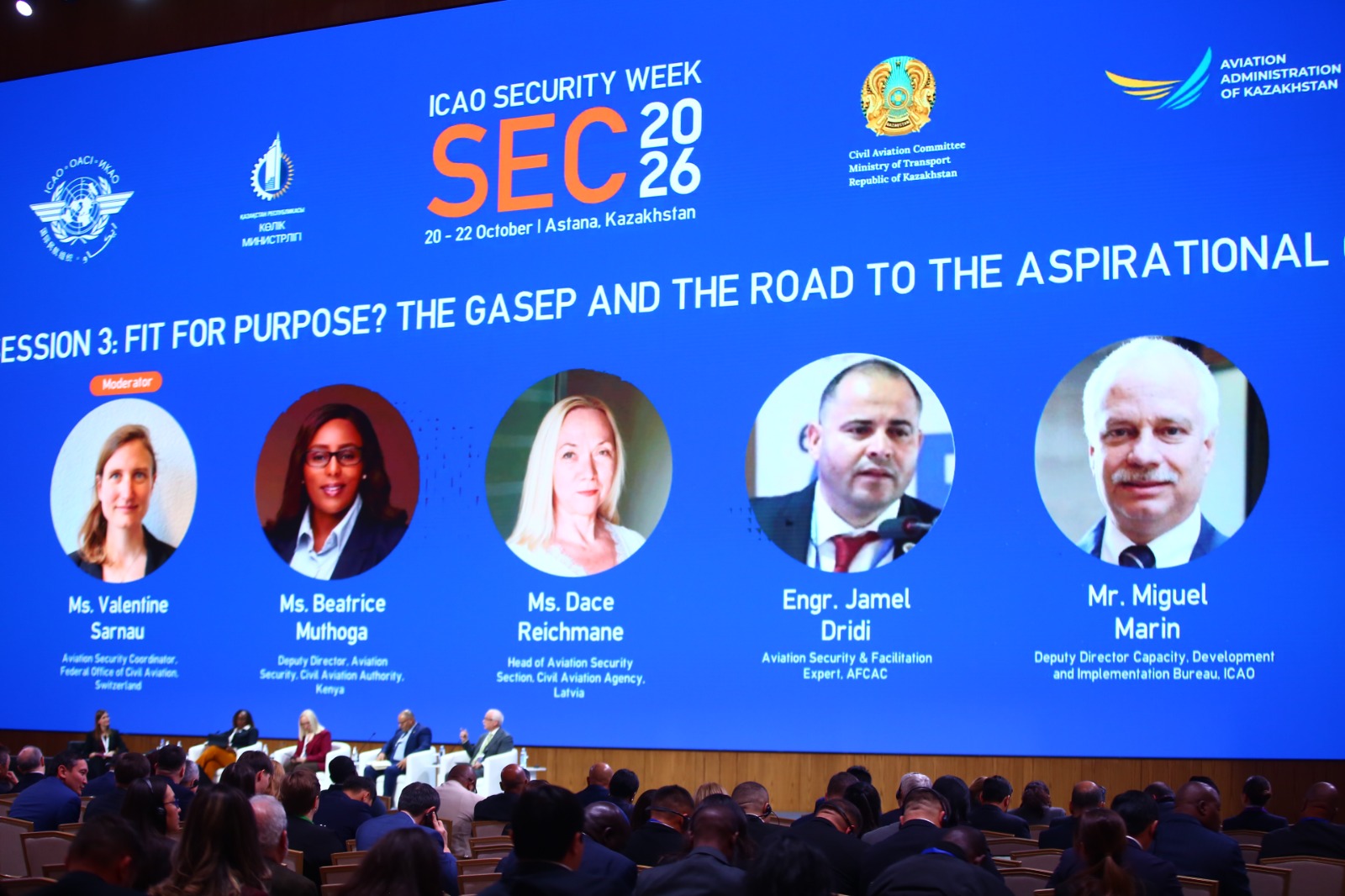
During the panel session "The GASeP Program and the Path to Achieving an Ambitious Goal" at ICAO Aviation Security Week, representatives of aviation authorities and international organizations discussed ways to bolster the implementation of the Global Aviation Security Plan (GASeP) and ensure its effectiveness in the face of evolving security threats.
In November 2017, the ICAO Council approved the Global Aviation Security Plan (GASeP), which established a strategic roadmap for member states, the aviation industry, and the Organization itself to enhance global aviation security.
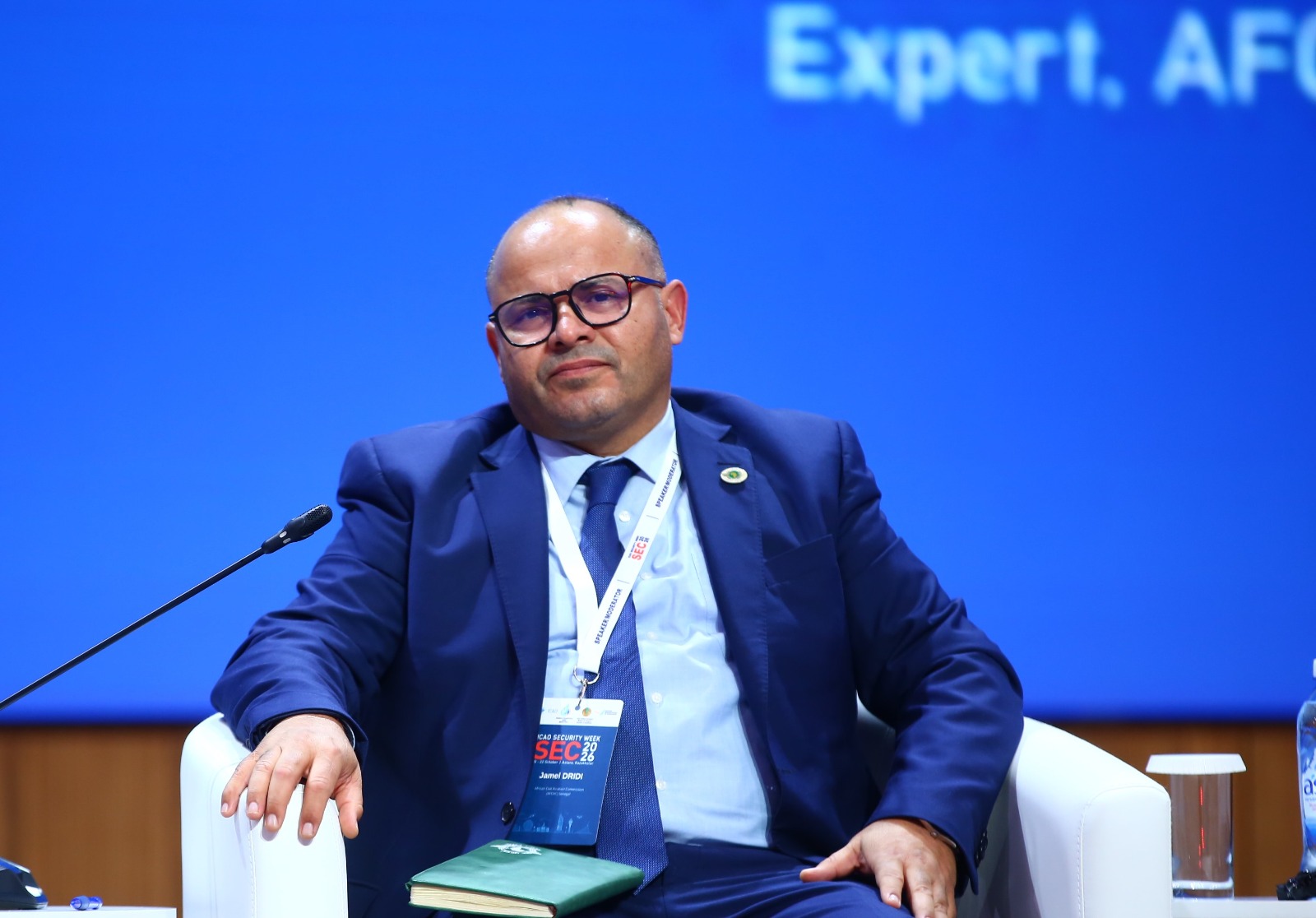
Panel participants included Valentina Sarnau, Aviation Security Coordinator, Federal Office of Civil Aviation, Switzerland; Beatrice Muthoga, Deputy Director, Aviation Security, Civil Aviation Authority, Kenya; Dace Reichmane, Head of the Aviation Security Section, Civil Aviation Agency, Latvia; Jamel Dridi, Aviation Security and Facilitation Expert, AFCAC; Miguel Marin, Deputy Director Capacity, Development and Implementation Bureau, ICAO; as well as delegates from the aviation authorities of Kenya and the United Arab Emirates.
Participants focused heavily on the practical implementation of GASeP’s six key priority areas, the exchange of best practices, and the strengthening of collaboration across national, regional, and international levels. Discussions also centered on allocating responsibilities, providing sufficient resources, and consistently enforcing international standards.
A core theme of the session was GASeP's ambitious goal: achieving and maintaining an effective global aviation security framework built on full and consistent compliance with ICAO standards by all member states.
"ICAO leverages global expertise and best practices to assist states in modernizing technical assets, enhancing professional capacity, and implementing effective solutions. All of these efforts aim to drive meaningful progress and establish a resilient global aviation security framework,"
emphasized Miguel Marin.
Jamel Dridi underscored the critical role of regional cooperation and knowledge-sharing:
"No state can develop aviation security in isolation. Sharing expertise, joint specialist training, and aligned regional initiatives enable us to optimize resources and strengthen national capabilities more effectively."
Panelists concluded by discussing the need to adapt national systems to emerging risks and threats, reiterating that achieving GASeP's objectives demands steady implementation of international standards, professional training, sustainable funding, and clearly defined operational roles.