


02/10/2026
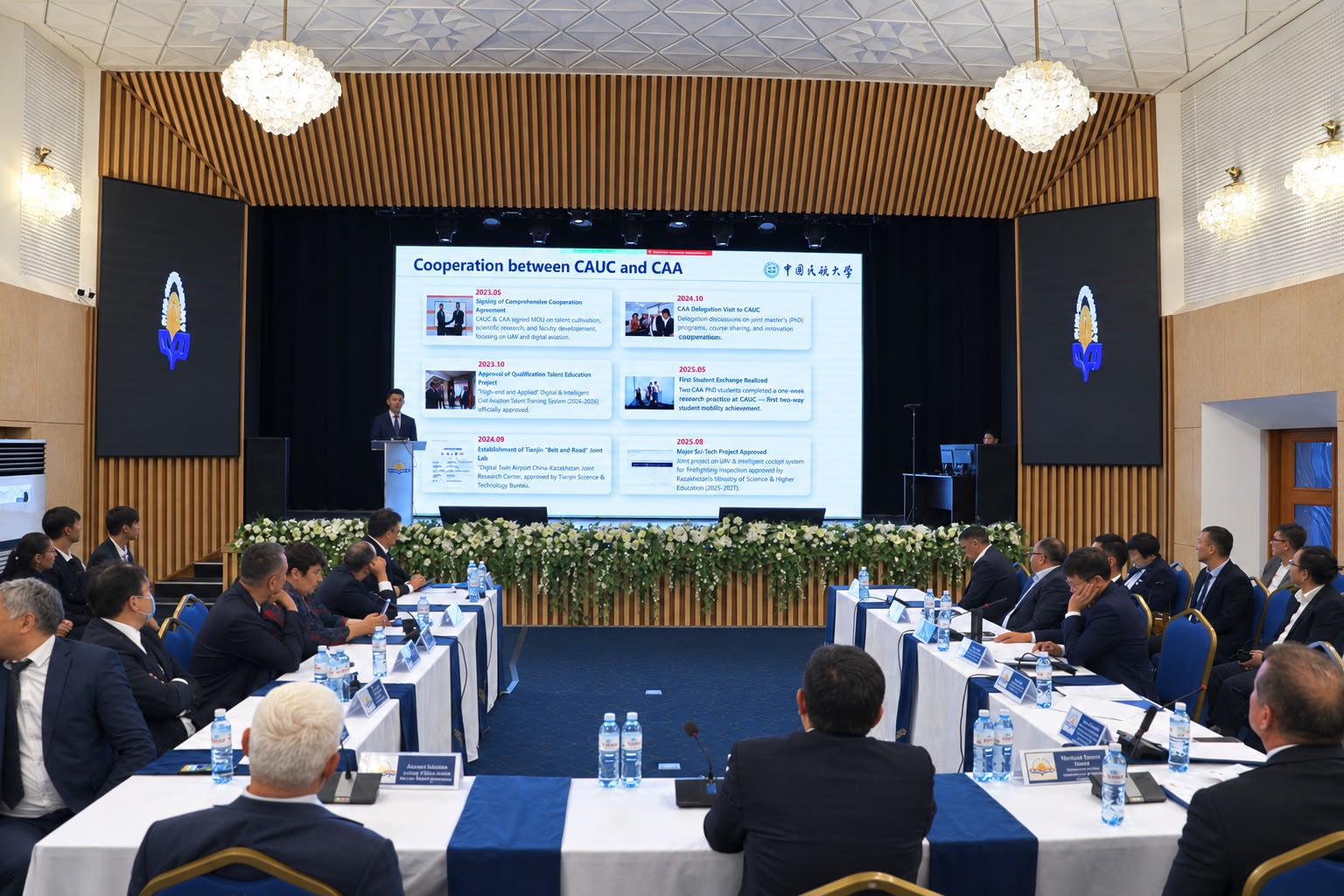
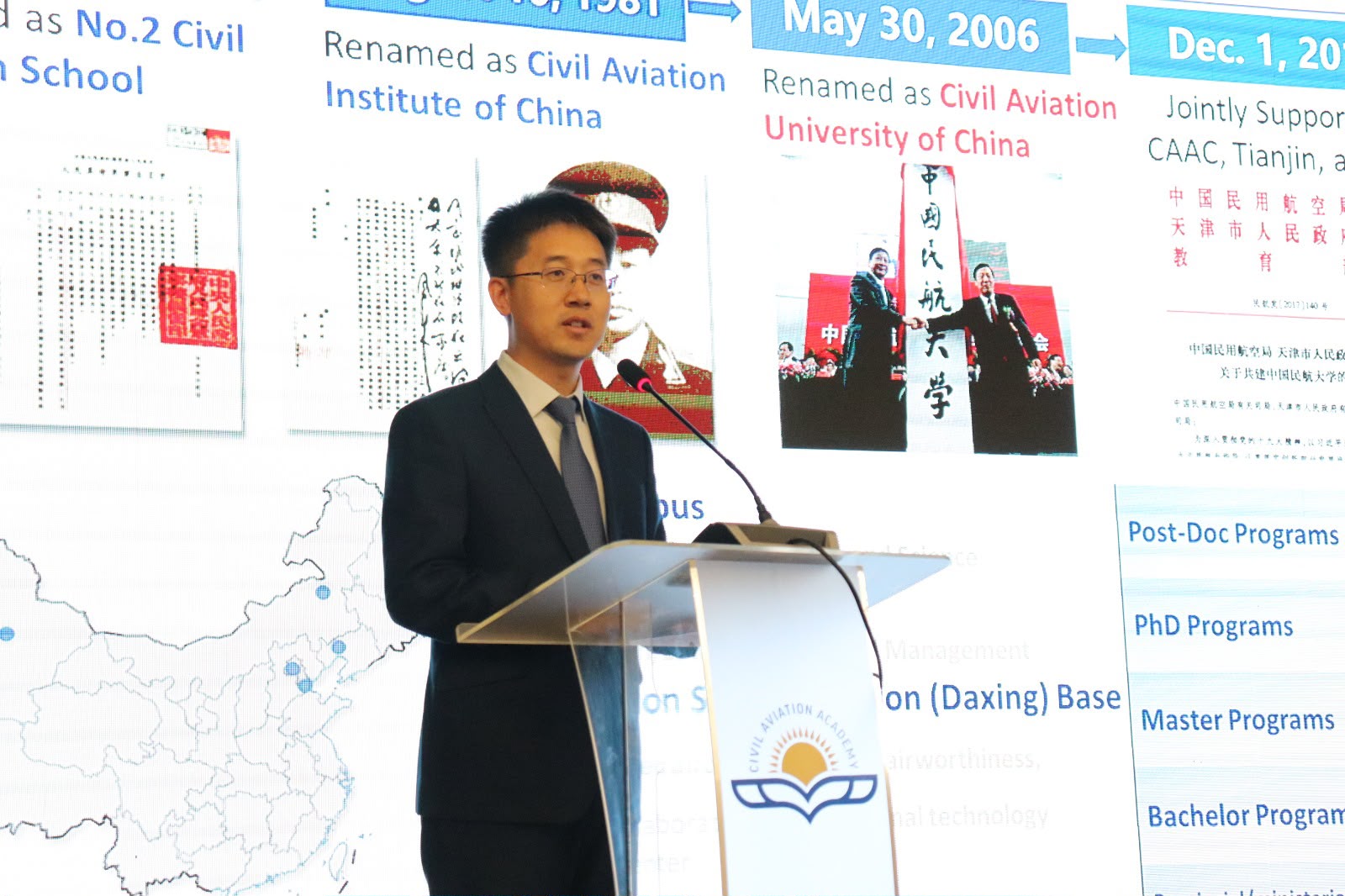
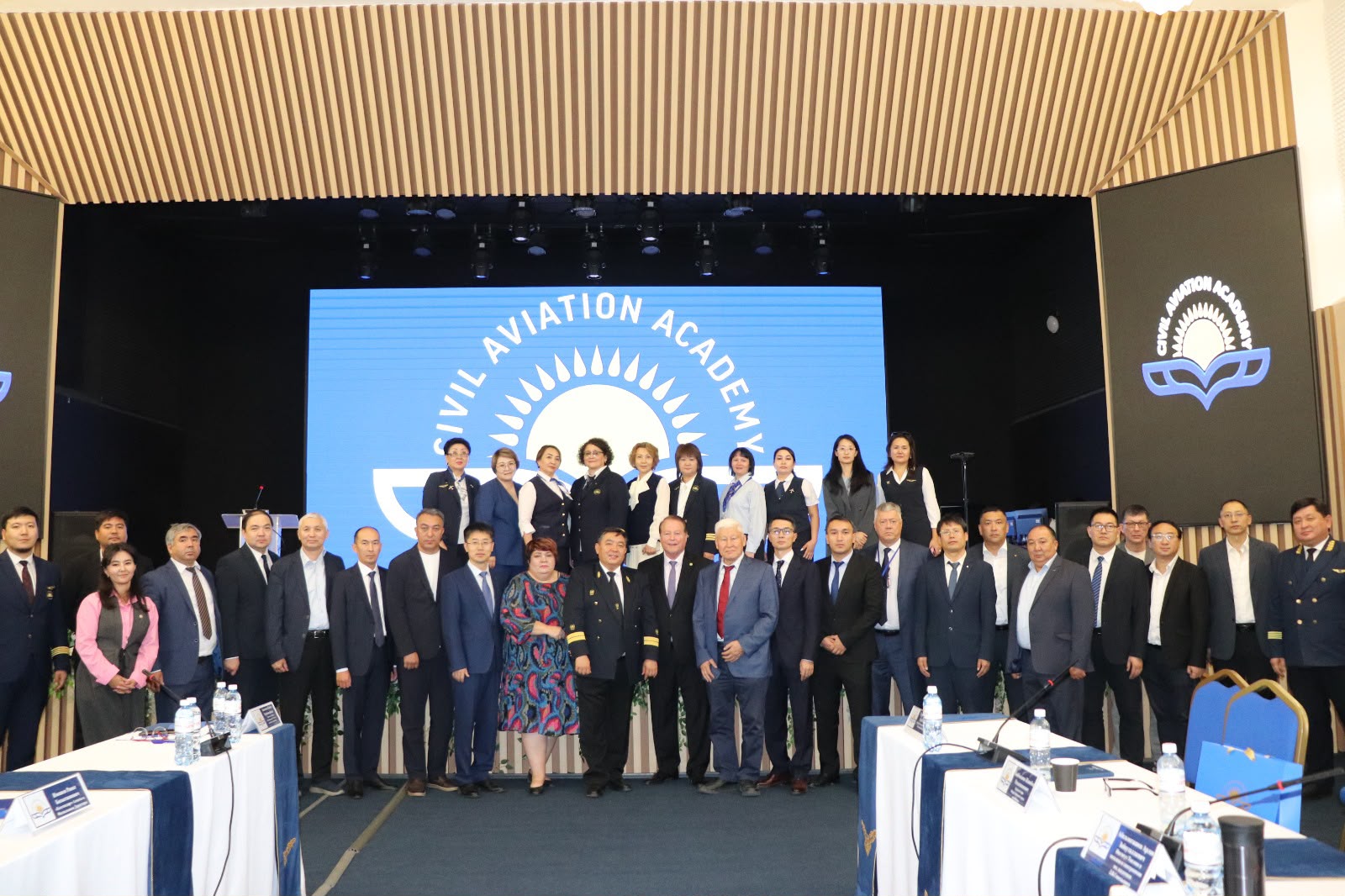
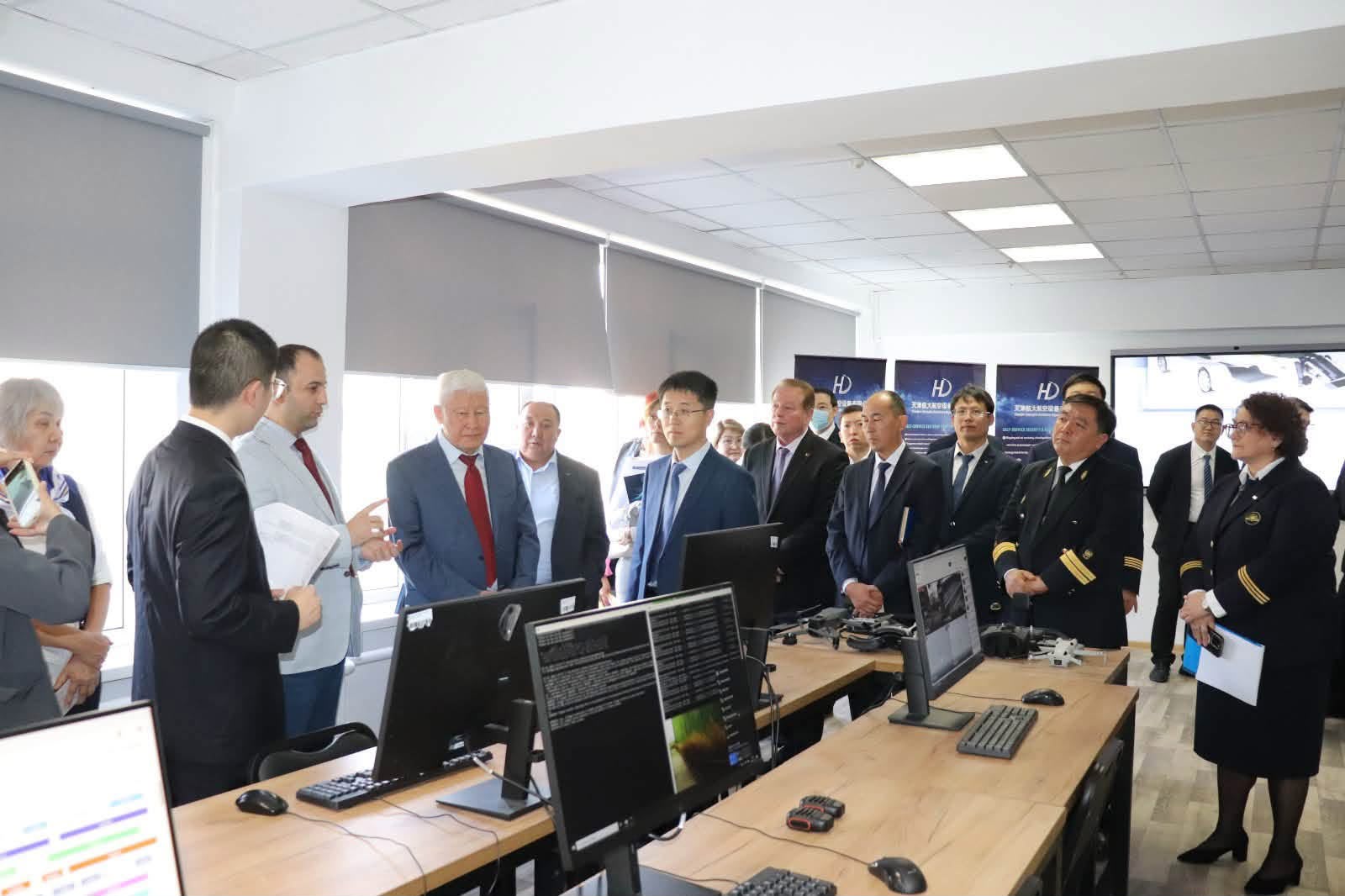
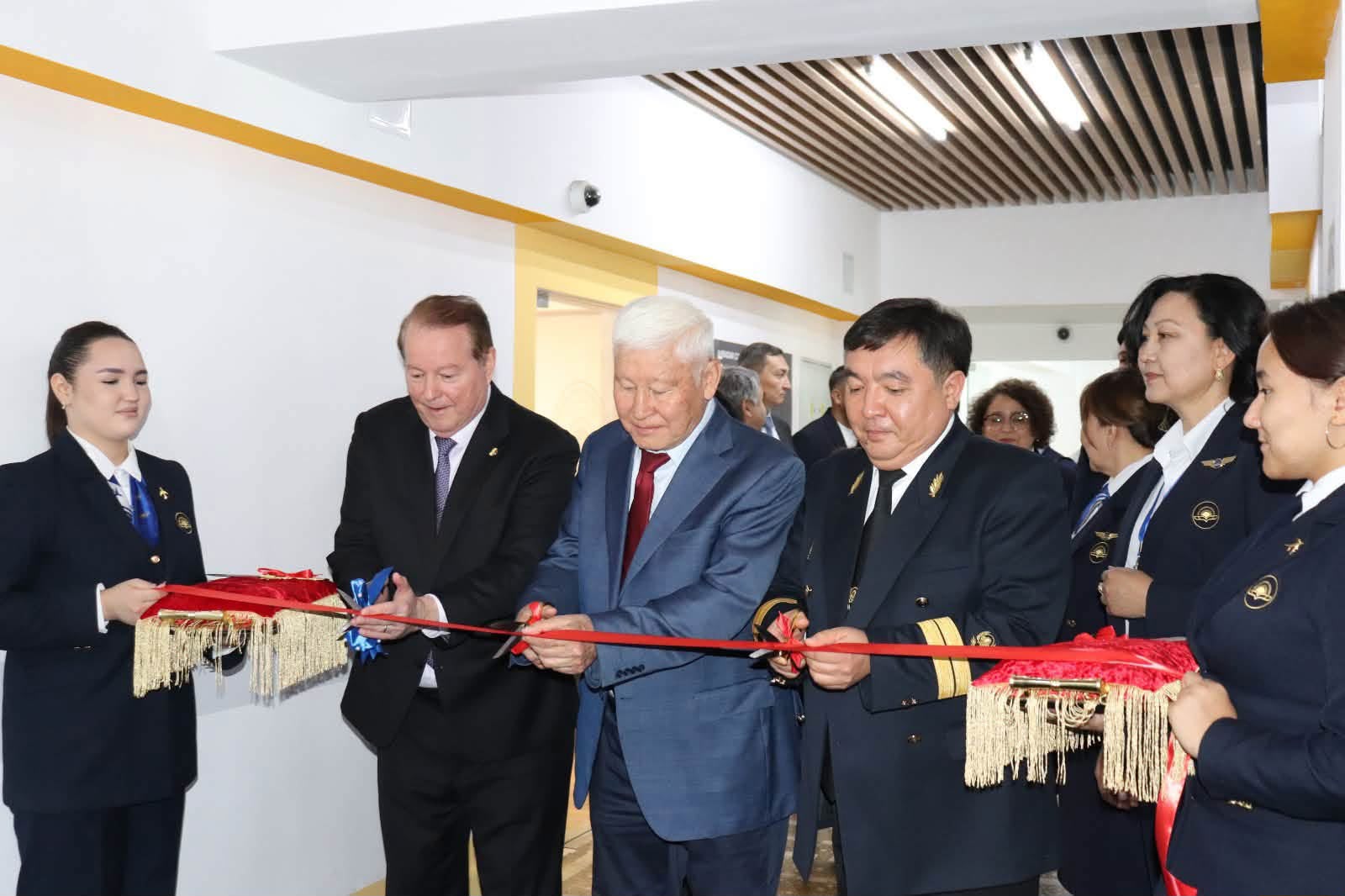
A Research Institute for Aviation Research has been established at the Academy of Civil Aviation (ACA) in Almaty. The Institute’s activities will focus on advancing aviation science in Kazakhstan, conducting applied research, and developing technological solutions for the civil aviation sector.
The opening ceremony was attended by Michael Daniel, Chief Executive Officer of the Aviation Administration of Kazakhstan; Askar Dzhumadildaev, Vice President of the National Academy of Sciences of the Republic of Kazakhstan under the President of the Republic of Kazakhstan; Daulet Mamekov, Rector of the Academy of Civil Aviation; as well as representatives of the aviation industry and the education sector.
One of the Institute’s first projects is the joint research laboratory “Safety and Intelligent Technologies in Civil Aviation”, established by the Academy of Civil Aviation in cooperation with the Civil Aviation University of China (CAUC). The agreement to establish the laboratory was signed on 16 July 2026 in Shanghai during the state visit of President Kassym-Jomart Tokayev to China. The laboratory will serve as a platform for joint research and international scientific and technical projects, involving faculty members, researchers, master’s students and doctoral students.
Key research areas will include artificial intelligence and aviation data analytics, aviation materials, diagnostics and non-destructive testing, aviation fuel, and sustainable aviation fuel (SAF).
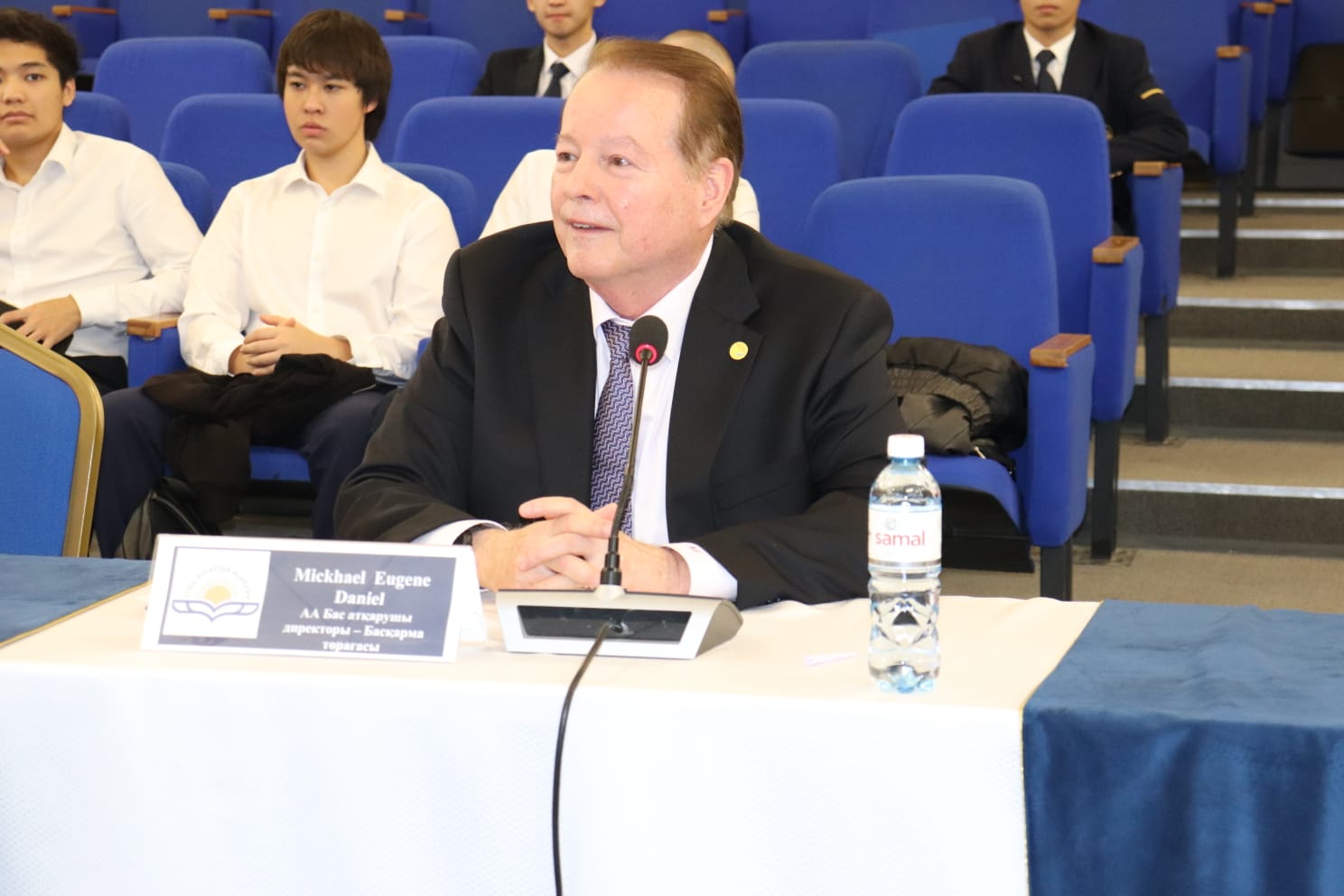
In his remarks, Michael Daniel highlighted the potential for further development of scientific cooperation:
“Kazakhstan has every opportunity to become a platform where new solutions can be studied, tested and further developed in cooperation with international partners. Kazakhstan is in a very strong position in terms of advancing aviation regulation.”
With the support and assistance of the National Academy of Sciences of the Republic of Kazakhstan under the President of the Republic of Kazakhstan, scientific cooperation is being developed between the Academy of Civil Aviation and specialised research institutes across the country. This cooperation brings together industry expertise and the capabilities of Kazakhstan’s leading scientific schools and laboratories.
Askar Dzhumadildaev, Vice President of the National Academy of Sciences, emphasised the importance of connecting fundamental science with the practical needs of the industry:
“Our mission is to connect fundamental national science with the applied needs of the industry.”
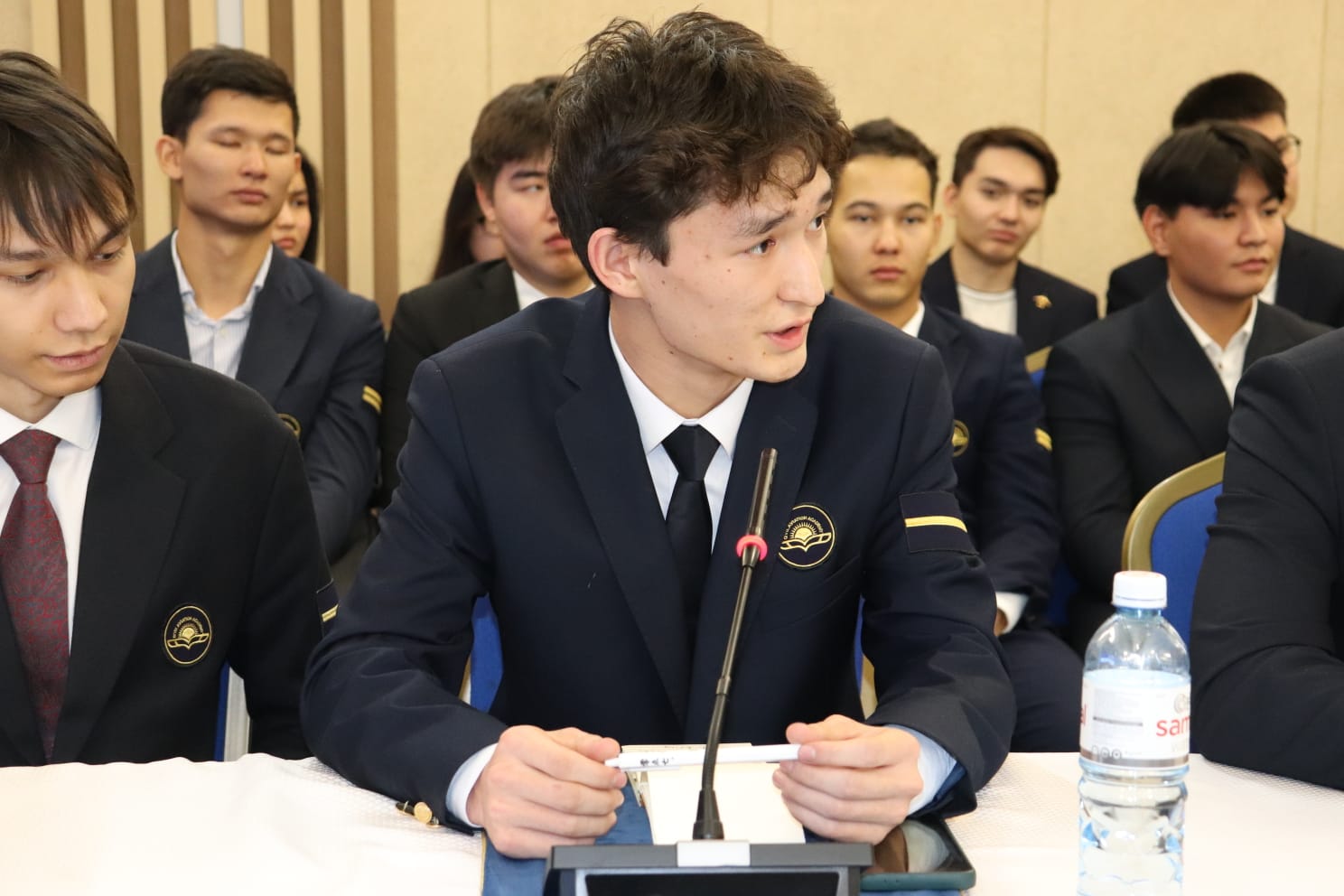
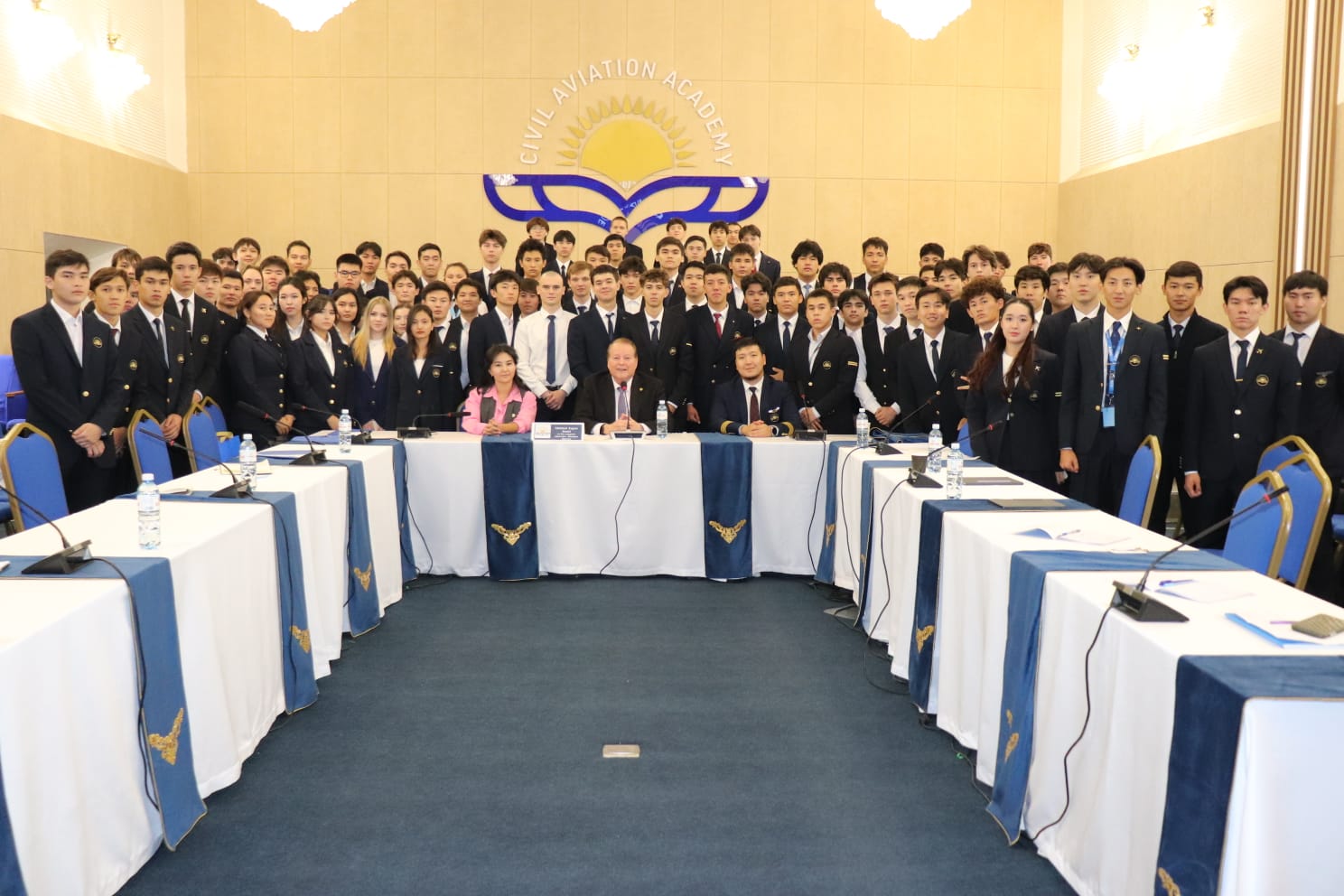
As part of the event, Michael Daniel held a session with ACA students. The discussion focused on employment opportunities, the future development of the aviation industry, the prospects of aviation careers, and opportunities for young professionals.
Another important area of the Academy of Civil Aviation’s work is the Atlas of New Civil Aviation Professions and Competencies, which was presented earlier this year with the participation of Saltanat Tompiyeva, Chair of the Civil Aviation Committee and Ambassador of the ICAO Global Ambassadors Programme in Kazakhstan. The Atlas identifies emerging professions and key competencies in response to digitalisation, technological change and the introduction of artificial intelligence, and serves as a reference point for the training of the next generation of aviation professionals.
The effectiveness of the new Institute is expected to be assessed not only through scientific publications, patents and international projects, but also by practical outcomes — in particular, the ability to apply research findings to address the needs of the aviation industry and enhance the safety and efficiency of aviation operations.