14/11/2026
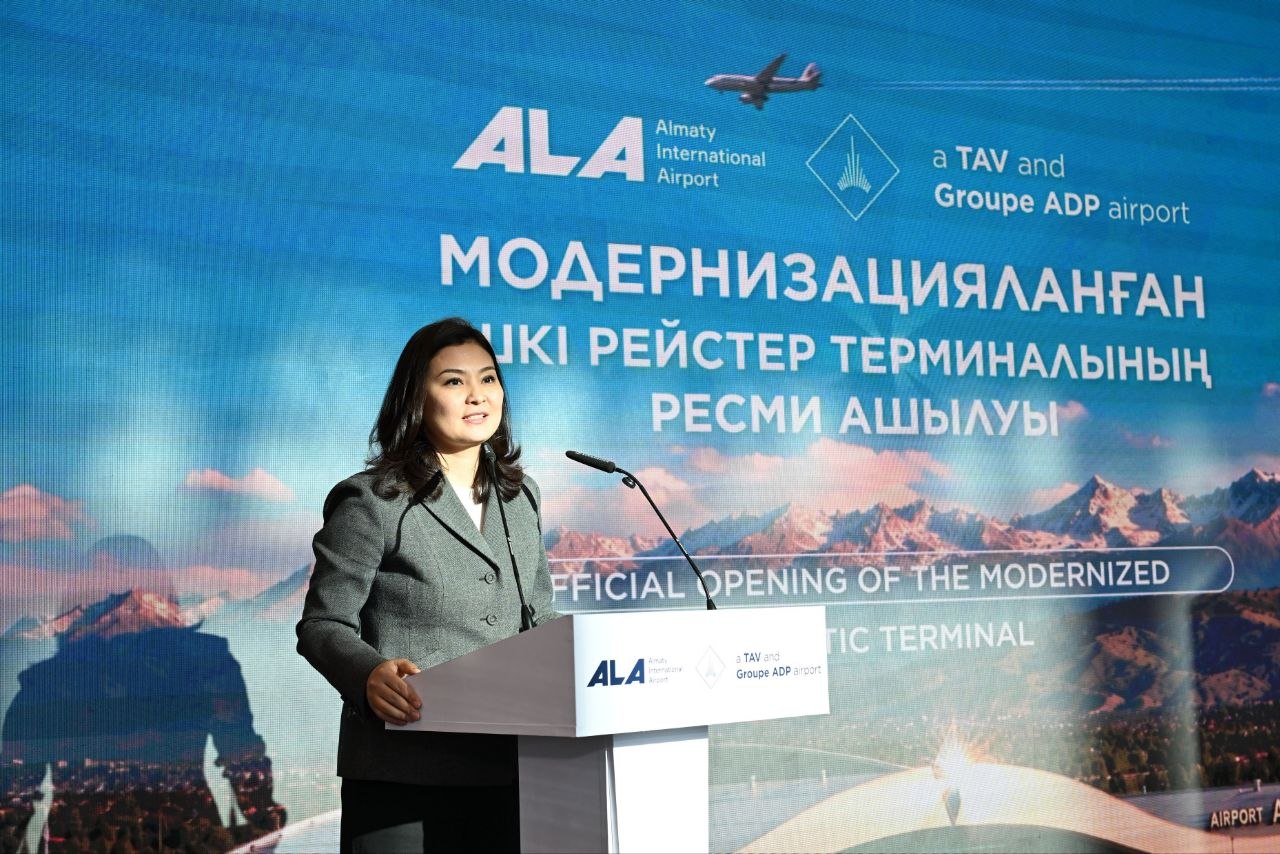
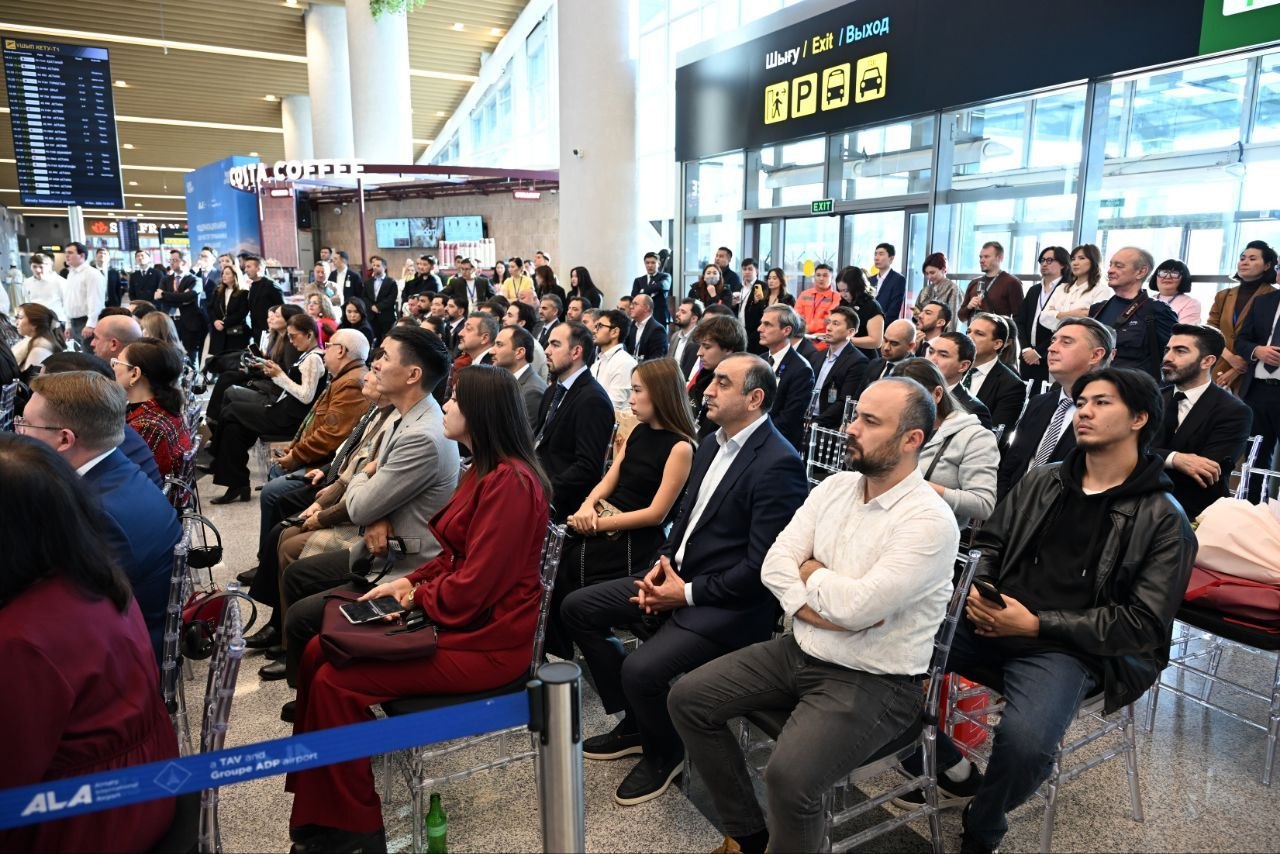
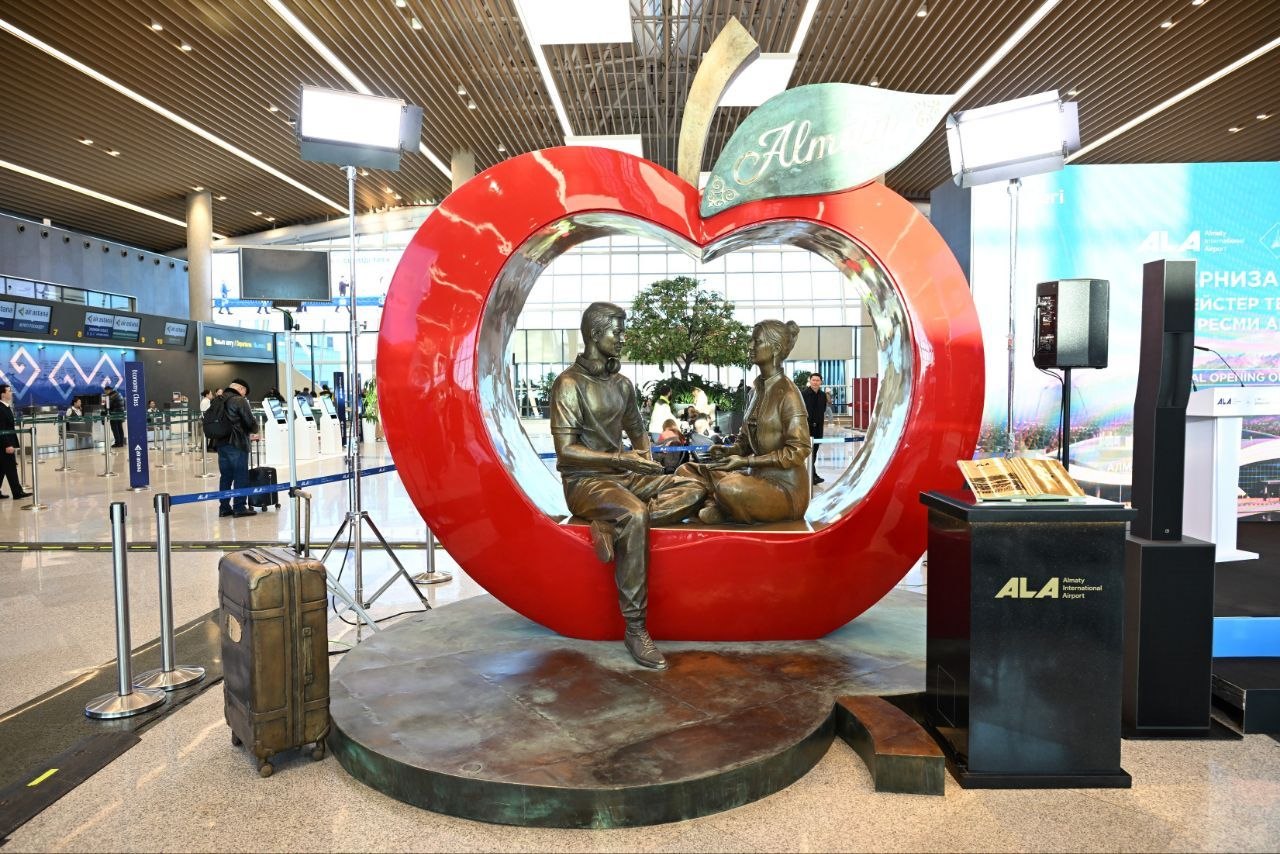
Almaty International Airport has officially opened its modernized domestic terminal (T1). The opening ceremony was attended by Deputy Prime Minister – Minister of Transport of the Republic of Kazakhstan Assel Zhanassova, Akim of Almaty Darkhan Satybaldy, CEO of TAV Airports Holding Serkan Kaptan, airport management, as well as representatives of government agencies, the aviation industry, and the media.
Prior to the official ceremony, President of Almaty International Airport Goker Kose presented the upgraded terminal infrastructure and the key results of the modernization, which was completed within 13 months, to the guests.
«Head of State Kassym-Jomart Tokayev pays special attention to strengthening the country’s transport and logistics potential, modernizing airport infrastructure, and improving the quality of service for citizens. The opening of the renovated terminal is a tangible result of this work. For Almaty, the country’s business and financial hub, the development of the airport is of particular importance. This will improve passenger service quality, boost the city’s tourism and business potential, and reinforce its role as one of the region’s largest aviation hubs.», said Assel Zhanassova.
Reconstruction of Terminal T1 began in September 2025 as part of the Horizon program - the first phase of implementing the Almaty International Airport Development Master Plan through 2050. Total investment in the modernization amounted to approximately $32 million.
The work was carried out in phases, allowing the terminal to remain fully operational and ensuring uninterrupted passenger service throughout the entire reconstruction period.
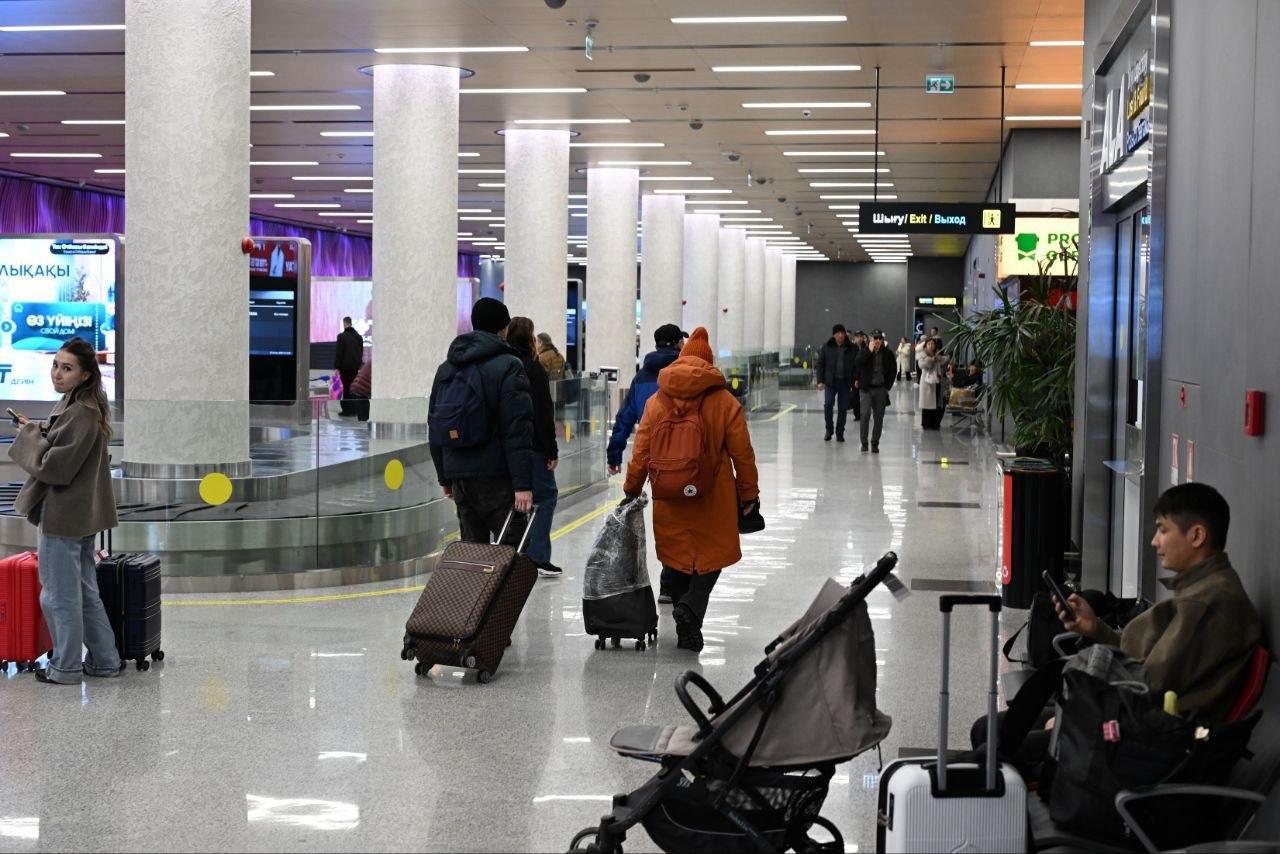
As a result of the upgrade, the 1,700 m² check-in area has been completely renovated with the installation of 23 new check-in counters. The pre-flight security screening area has been expanded, increasing lane width from 2 to 3.5 meters, while the number of automated boarding pass e-gates grew from three to five.
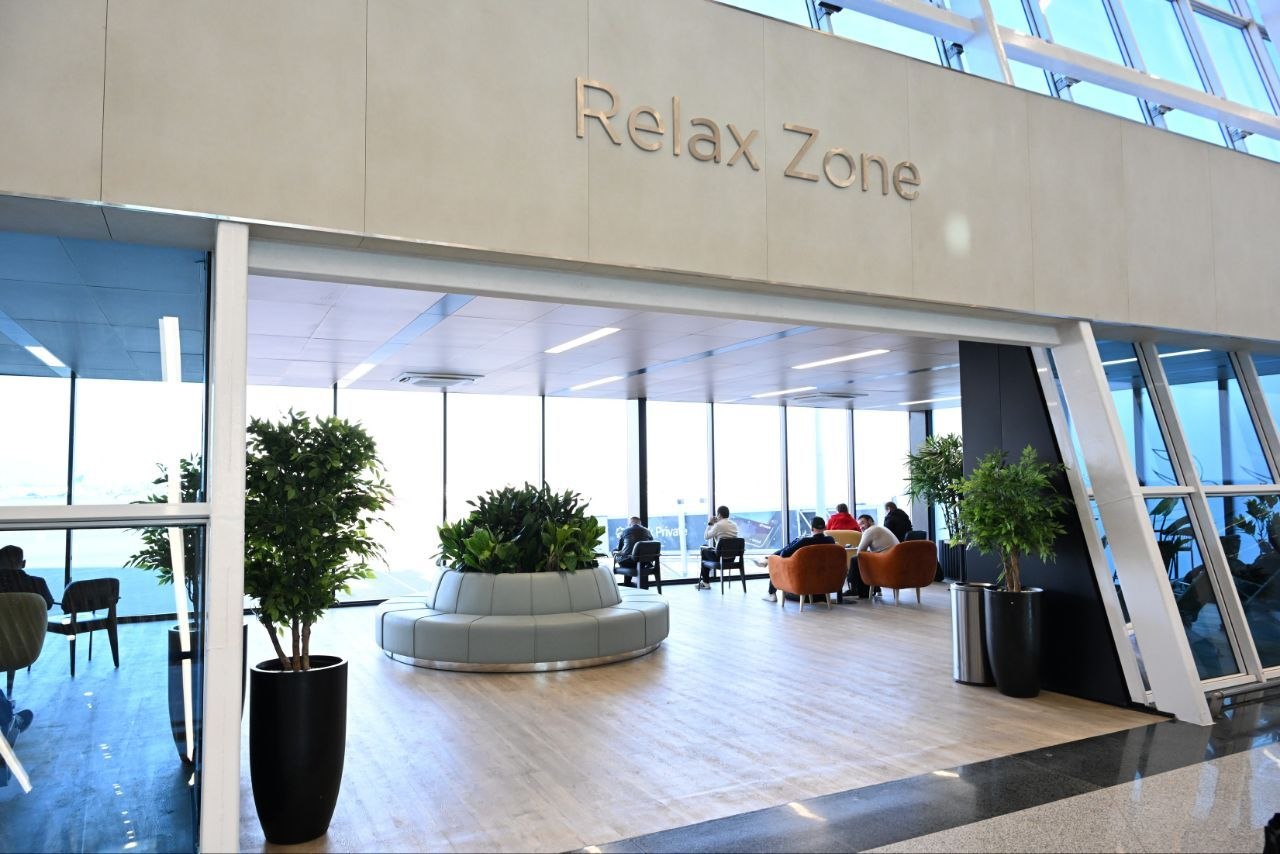
All eight boarding gate areas have been modernized with increased seating capacity. The waiting area at Gate 1 was expanded from 200 to 350 m². In addition, three new passenger boarding bridges (jet bridges) have been installed.
Significant upgrades were also made to the baggage handling infrastructure. The arrival and departure baggage sorting and handling areas were substantially expanded, and the total length of baggage conveyors increased from 85 to 228 meters. A modern baggage screening system capable of generating detailed 3D images of bag contents has been implemented.
Core engineering systems - including power supply, ventilation, heating, fire alarm, and automatic fire suppression systems - have been completely replaced. Extensive interior renovations were carried out, including new ceiling structures and updated walls and columns.
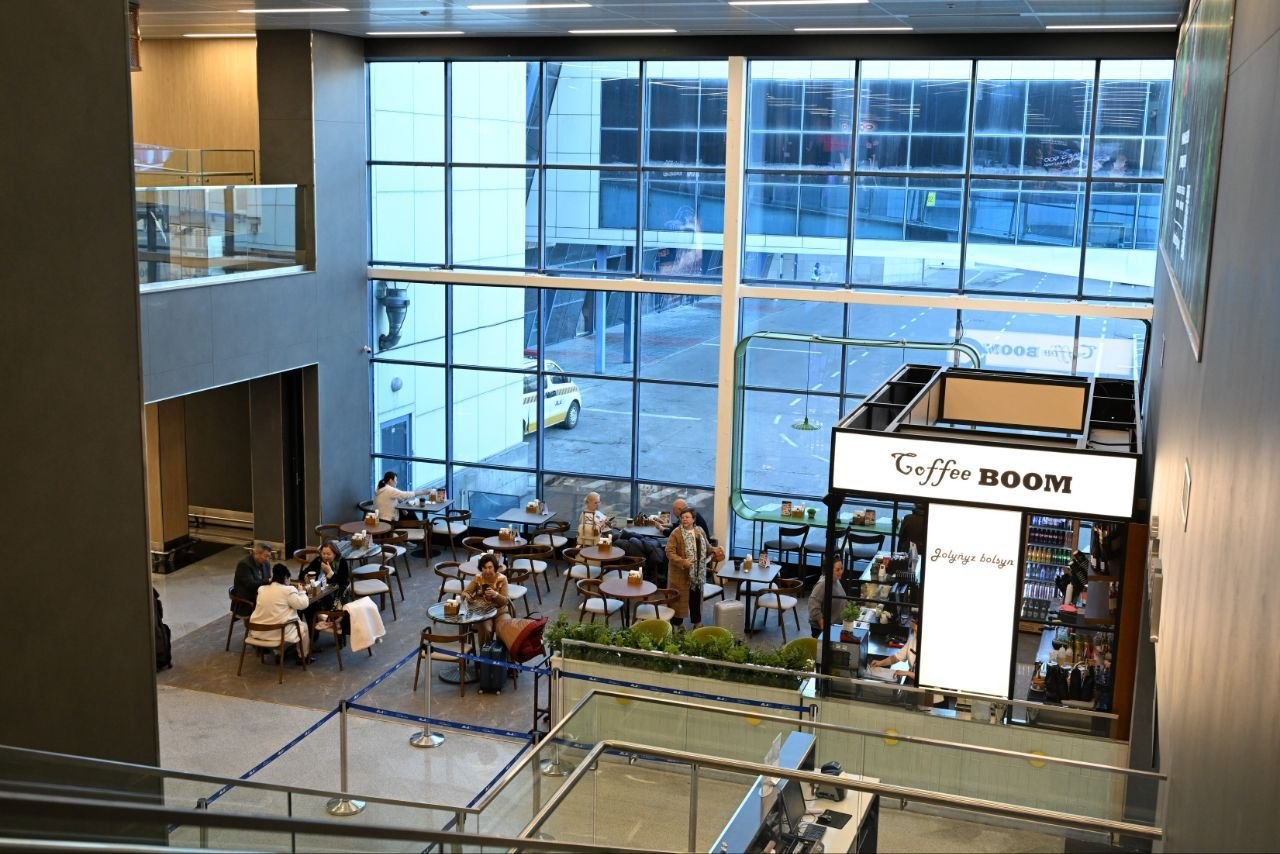
Special attention was paid to passenger comfort: all 14 restrooms underwent major renovation, the mother-and-child room was upgraded, and elevators were replaced. New retail outlets and food and beverage establishments have also opened.
Following the modernization, the domestic terminal can now handle up to 9 million passengers per year. By comparison, when all passenger traffic was served in a single terminal building, capacity stood at around 3.2 million passengers annually.
The upgrade of T1 is one of the flagship projects of the Horizon program, which, in addition to terminal modernization, encompasses the comprehensive development of the airport's airfield and technical infrastructure.
Key projects include the construction of Central Asia's first dedicated aircraft de-icing pad, a new 4,000-meter taxiway, reconstruction of one of the concrete runways, modernization of the VIP apron and aircraft stands, expansion of the cargo apron, and construction of an aircraft maintenance hangar.
The modernization of the domestic terminal represents a major milestone in Almaty International Airport's long-term development strategy aimed at building modern, high-tech, and sustainable aviation infrastructure capable of meeting growing passenger demand, enhancing service quality, and strengthening Almaty's role as a leading aviation, transport, and logistics hub in Central Asia.