


19/11/2025
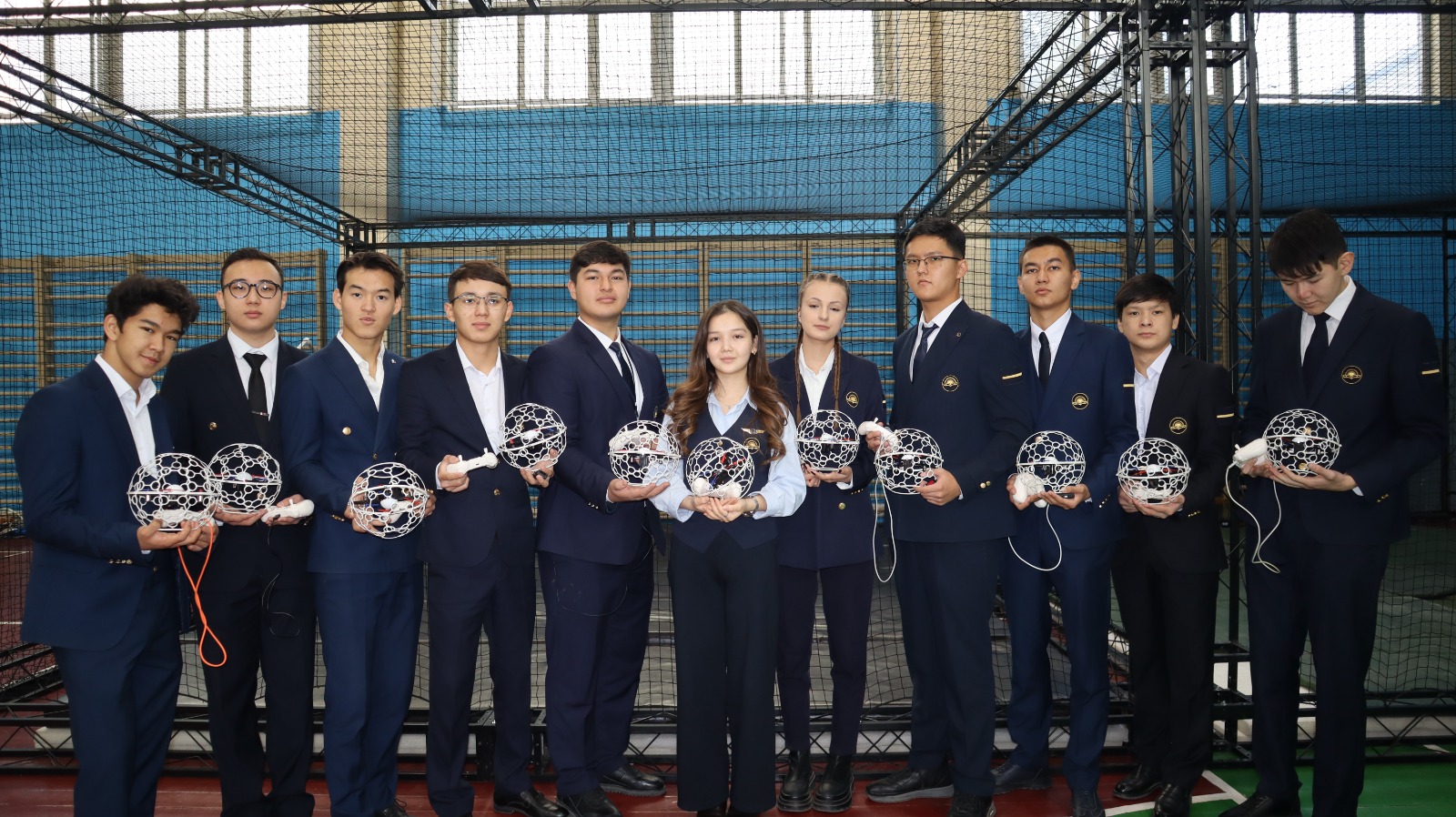
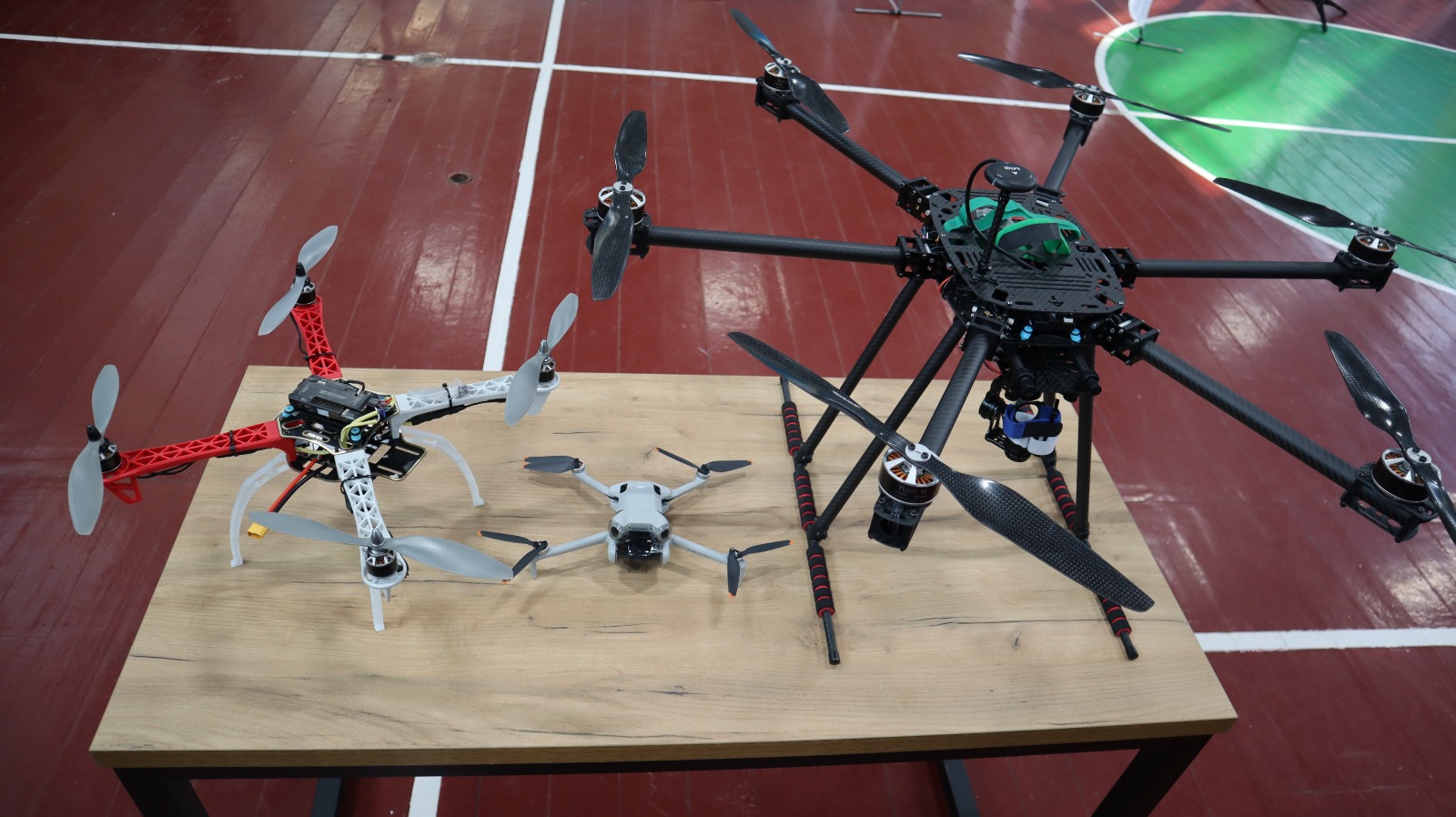
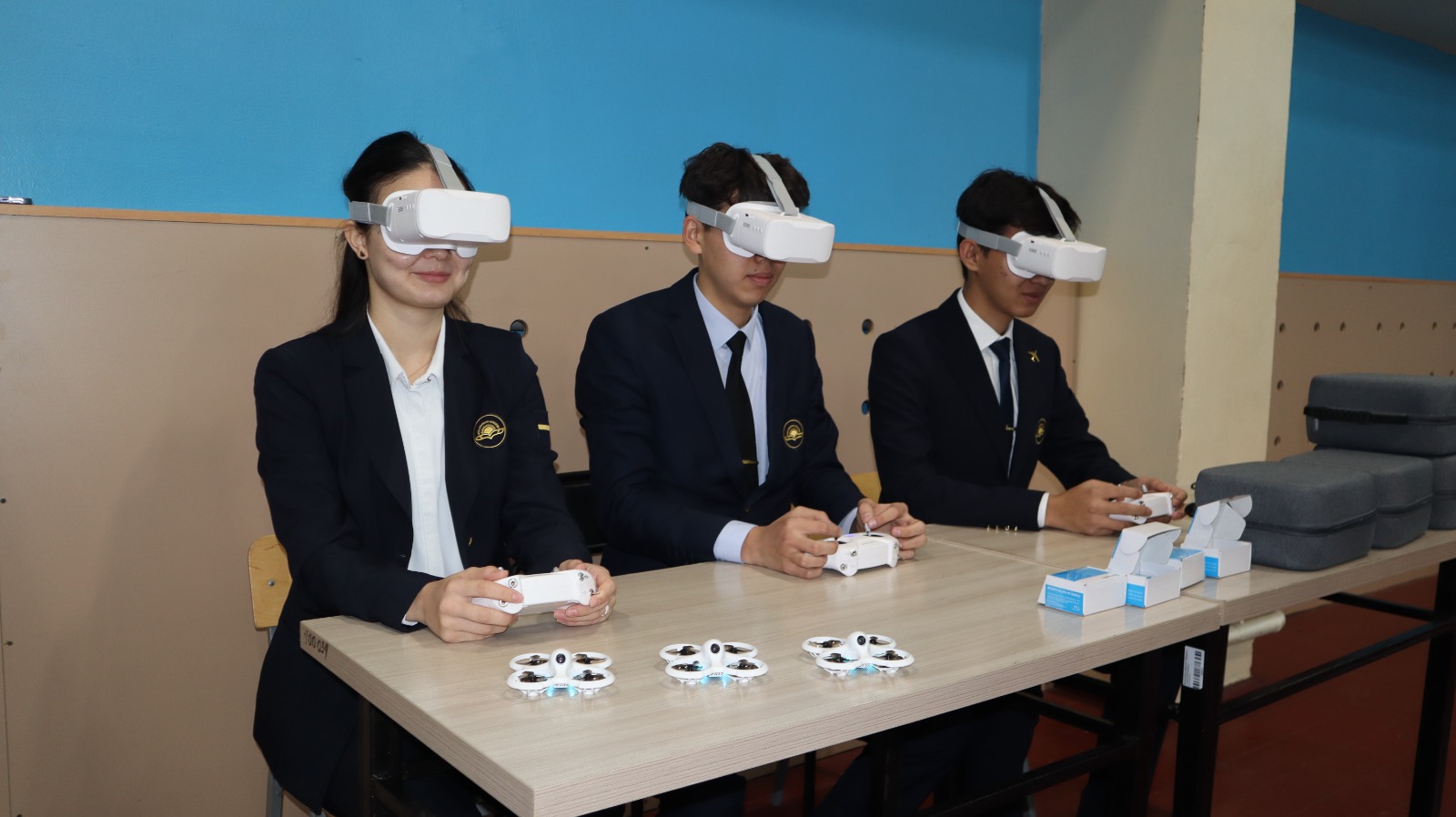
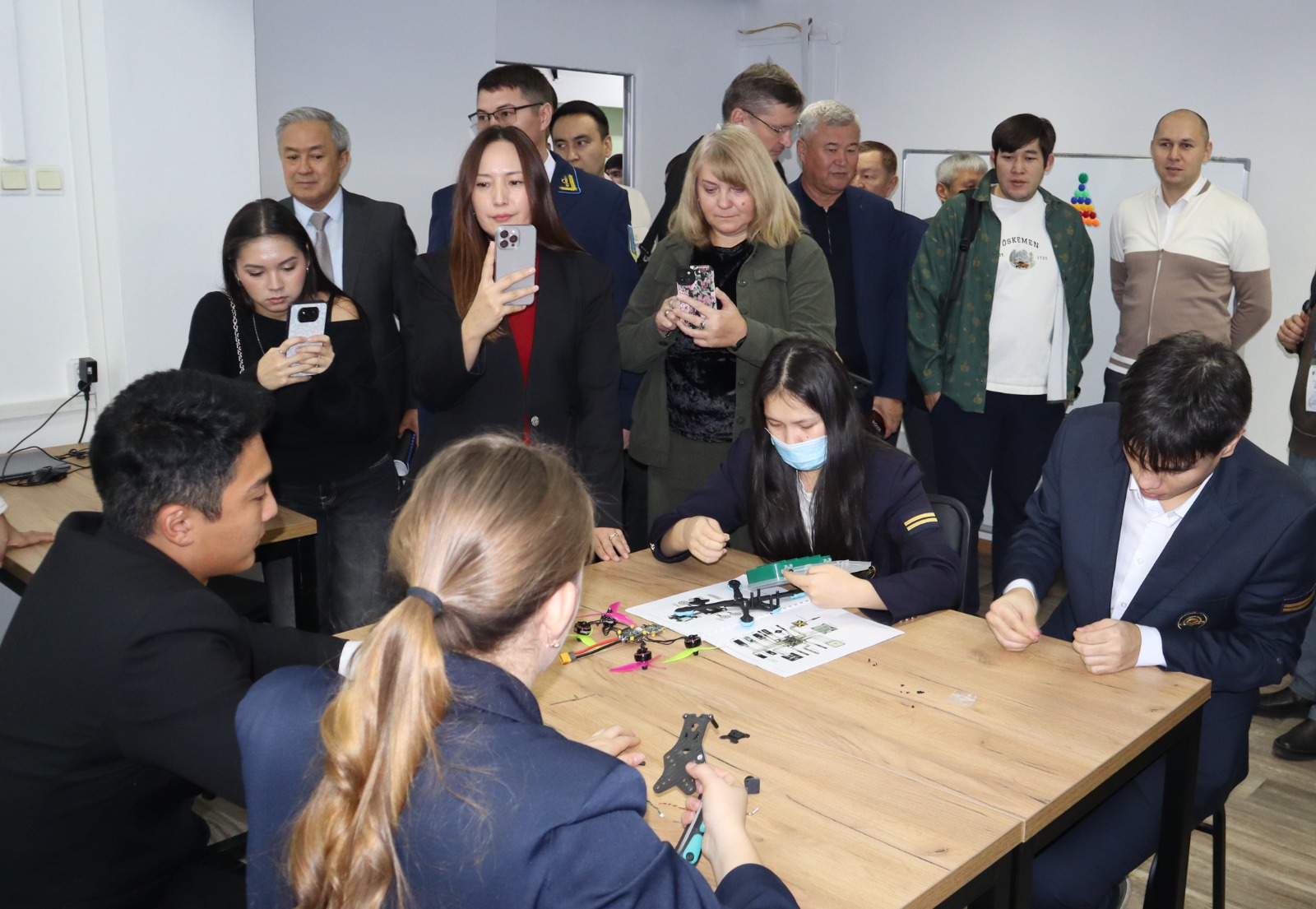
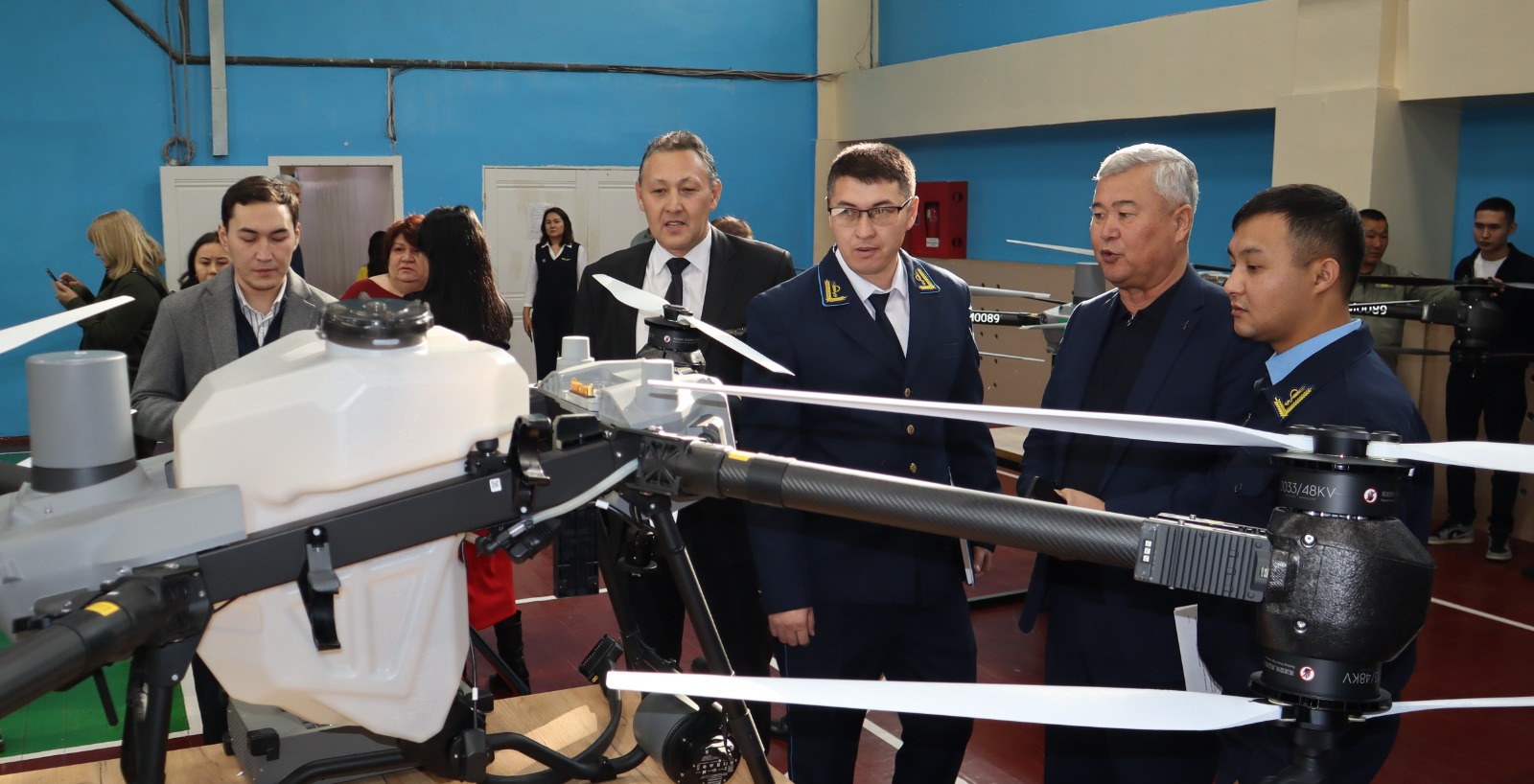
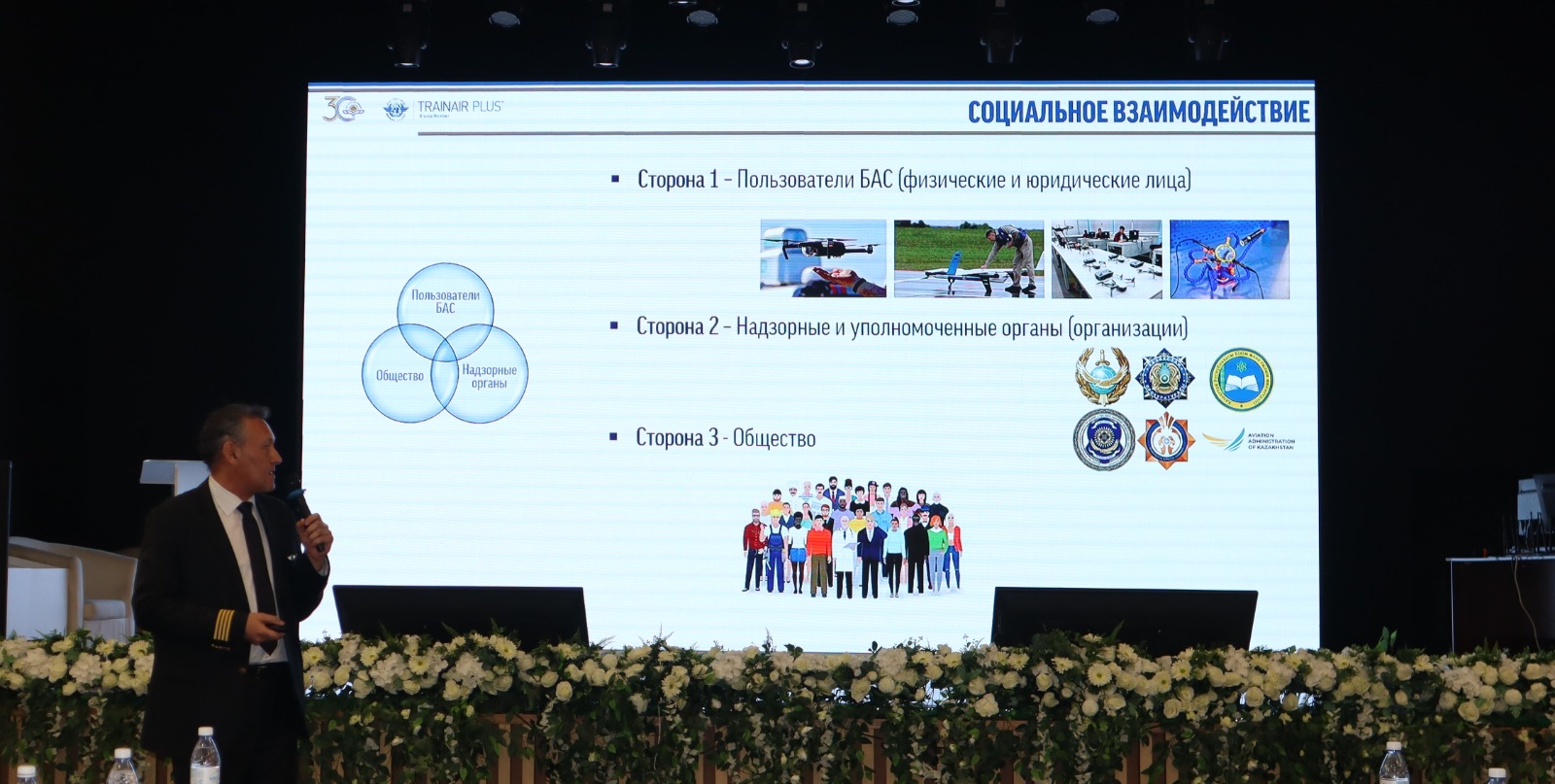
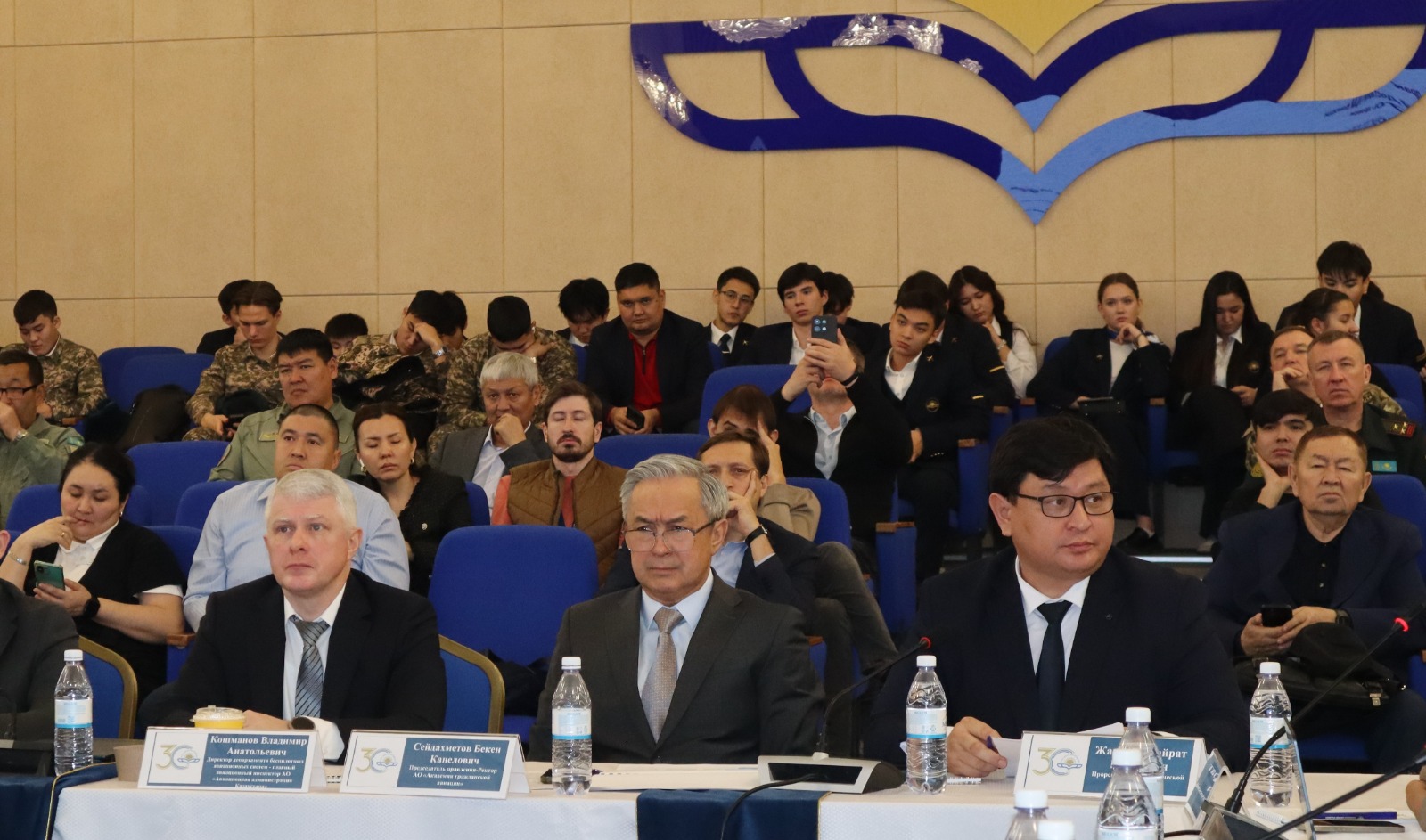
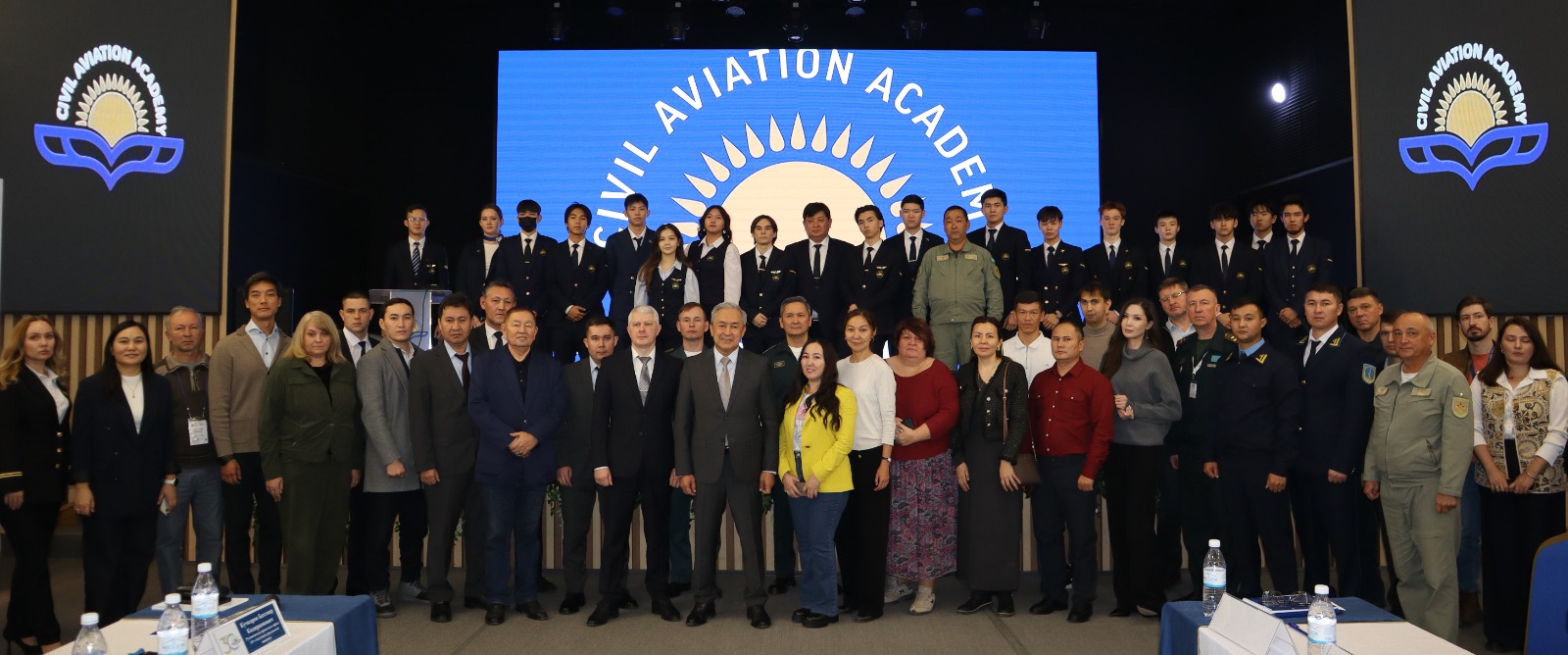
A strategic session titled “Kazakhstan’s Unmanned Transport: Innovation, Education and Security” was held at the Civil Aviation Academy, bringing together representatives from government bodies, businesses, and educational and research institutions. Participants included employees of the Civil Aviation Committee (CAC) of the Ministry of Transport and the Ministry of Artificial Intelligence and Digital Development of the Republic of Kazakhstan, the National Security Committee, the Aviation Administration of Kazakhstan (AAK), as well as representatives from Freedom Lifestyle, universities, and research centers.
In their presentations, representatives of the CAC and AAK emphasized the need for a systematic approach to regulatory oversight, registration, permitting activities, and workforce training in the field of unmanned aviation in Kazakhstan. All drones weighing 250 grams or more, as well as devices equipped with personal data collection tools, including cameras and sensors, are subject to mandatory state registration.
The current regulations on administrative liability for violations of airspace use and UAV operations were discussed in detail. According to the CAC, approximately 1,700 unmanned aerial vehicles are registered in Kazakhstan, and more than 110 protocols have been issued for violations. It was also explained that flights over populated areas require a permit valid for five years, and the application process has been digitized and is conducted through the e-Government portal.
An important part of the presentations focused on measures to strengthen the training of UAV operators, including the development and approval of a unified certification program. As emphasized by the CAC, it is necessary to implement real-time monitoring, as well as digital tracking and control of unmanned systems. The presentation clearly outlined the key provisions of current legislation and the directions of the future ‘Concept for the Development of Civil Unmanned Aviation of the Republic of Kazakhstan for 2025–2031.’
Summarizing the session, participants identified the main tasks: improving the regulatory framework in line with ICAO and EASA international standards, developing educational infrastructure, enhancing specialist qualifications, supporting research and development in the UAV sector, and creating a sustainable partnership ecosystem between the government, business, and educational institutions.