


03/10/2025
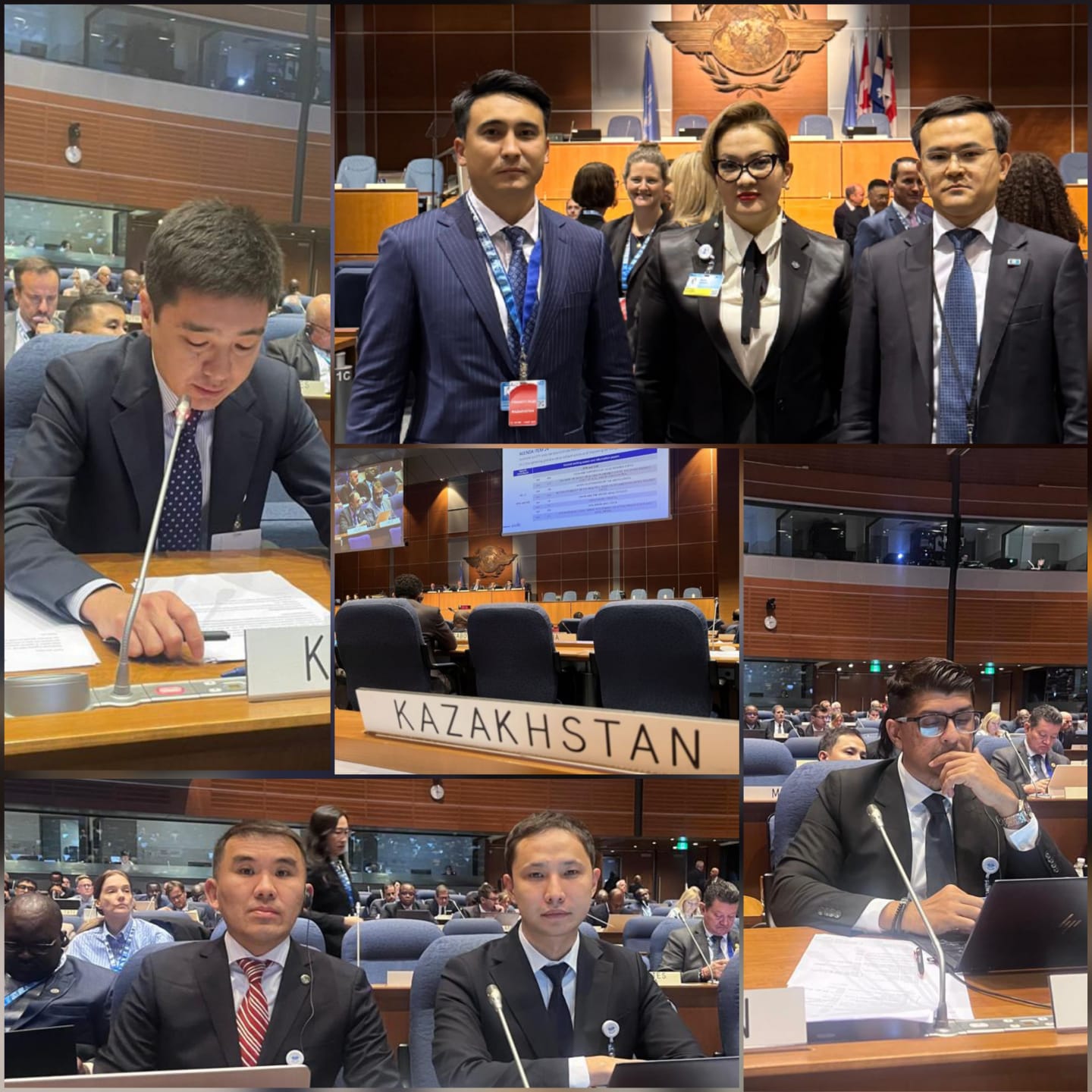
As part of the 42nd Session of the International Civil Aviation Organization Civil Aviation Organization (ICAO) Assembly, Kazakhstan submitted 18 working papers and 4 information papers to the Technical Commission, addressing key issues in flight safety and air navigation.
The initiatives were presented by the head of the delegation, Chairman of the Civil Aviation Committee (CAA) - Kazakhstan Saltanat Tompiyeva, along with representatives from the Aviation Administration of Kazakhstan: Aslan Satzhanov, Zhanibek Sharipbayev, Zhanat Abdugalimov and Zia Ul Kabir Chowdhury.
The submitted documents covered a wide range of topics from airworthiness, unmanned aircraft systems, and aviation personnel licensing to the integration of artificial intelligence, certification of training centers, and response to in-flight medical incidents.
Key initiatives include: Development of ICAO guidance on the use of AI for aerodrome safety monitoring. This proposal focuses on implementing AI technologies for runway condition analysis, foreign object detection, and intelligent video surveillance. The absence of unified standards currently hinders safe and effective implementation.
Global standards for responding to in-flight medical emergencies. Kazakhstan proposes the development of international guidelines for crew training, equipping aircraft with medical kits, use of telemedicine, and coordination with airport medical services.
Creation of a global database of licenses and certifications. This initiative aims to enable verification of qualifications for pilots and technical personnel worldwide, simplifying international cooperation and increasing trust.
Mental health of aviation security personnel. Kazakhstan recommends the development of ICAO guidance on assessing mental health risks, including regular screenings and stress-reduction programs. Currently, no global standards exist in this area.
Kazakhstan’s proposals are aimed at addressing specific gaps in the global aviation system from personnel training and licensing to the integration of unmanned systems and digital technologies. Their implementation would enhance safety, improve predictability, and strengthen the resilience of international aviation operations.
Kazakhstan has expressed its readiness to engage in the practical implementation and piloting of these initiatives in cooperation with ICAO member states and relevant bodies over the next three-year period. The approved proposals are expected to form the basis of ICAO roadmaps and recommendations that will shape the global aviation agenda in the coming years.