


21/11/2025
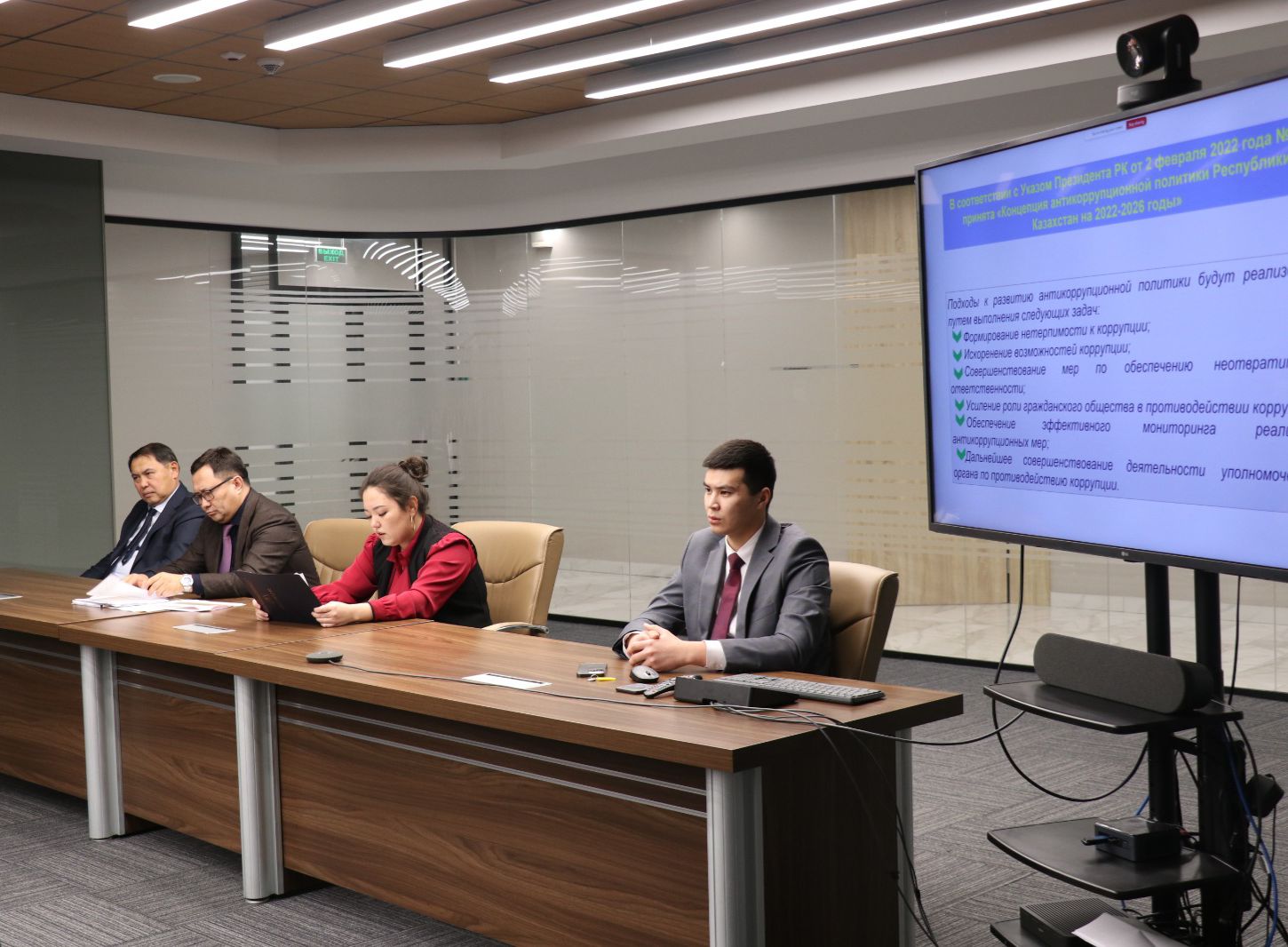

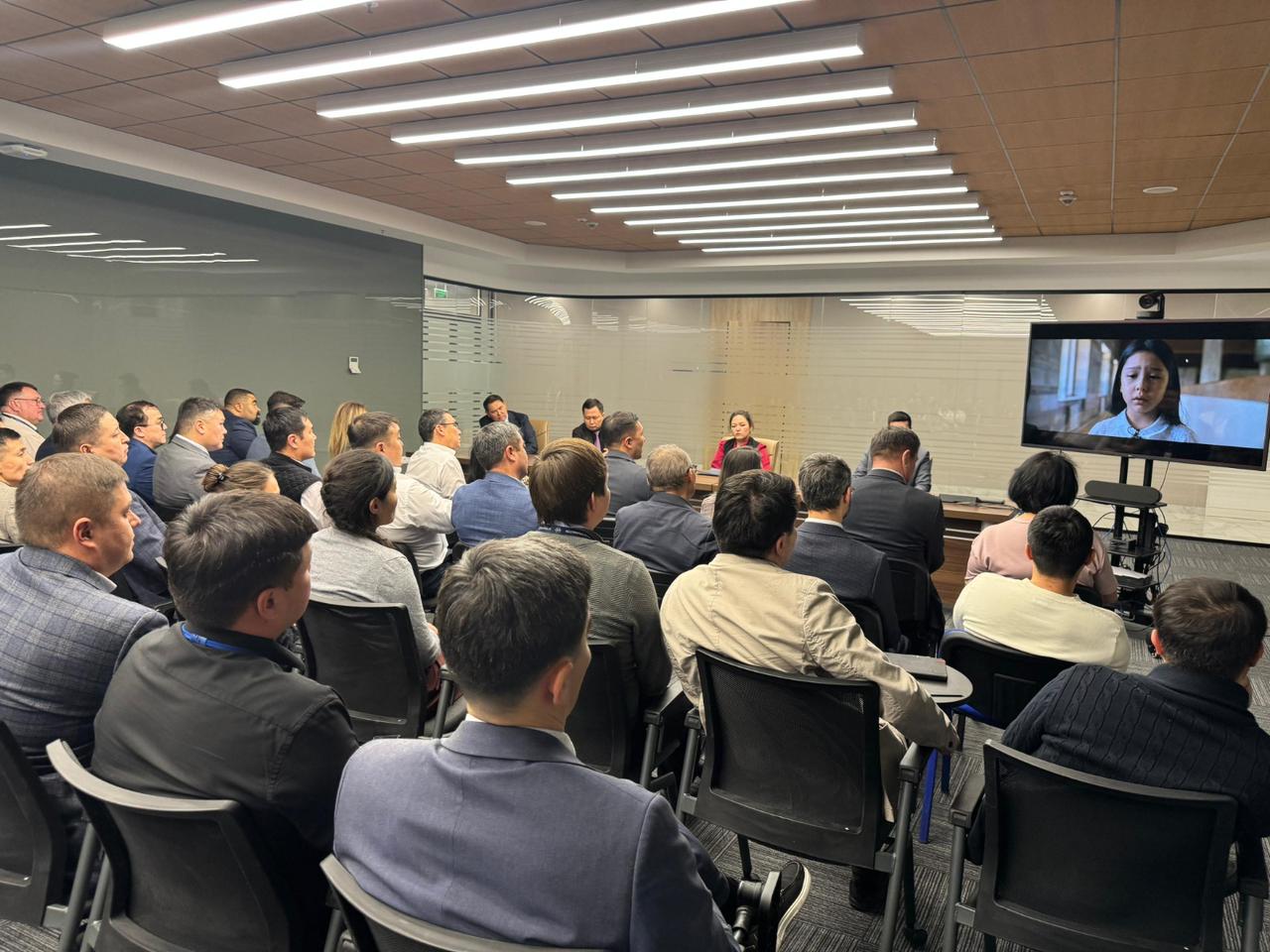
The Aviation Administration of Kazakhstan held a seminar dedicated to anti-corruption efforts, with representatives of the Agency for Civil Service Affairs.
The speakers highlighted the main directions of the national anti-corruption policy, recent legislative changes, and current requirements for public servants and those equated to them.
The meeting provided an in-depth review of the key provisions of the Law of the Republic of Kazakhstan “On Combating Corruption,” the objectives of the Anti-Corruption Policy Concept for 2022–2026, the activities of the authorized body, and cooperation with local executive authorities. Special attention was given to ongoing projects implemented in the field of anti-corruption.
The speakers emphasized that every public servant must clearly understand the requirements of the relevant law. Anti-corruption policy is implemented through systemic measures: fostering intolerance toward corruption, eliminating its root causes, ensuring the inevitability of liability, strengthening the role of civil society, and maintaining effective monitoring of the measures undertaken.
It was also noted that the amendments planned for 2025–2026 include the introduction of a public registry of individuals convicted of corruption and the recognition of offering or promising a bribe as a full-fledged criminal offense. These steps contribute to shaping a culture in which any discussion of bribes becomes unacceptable. It was also noted that the changes planned for 2025–2026 include the launch of a public registry of individuals convicted of corruption, as well as the recognition of offering or promising a bribe as a full-fledged criminal offense. These measures help foster a culture in which any discussion of bribery becomes unacceptable.
In addition, the plans provide for provisions on identifying and managing conflicts of interest in the civil service and the quasi-public sector; the introduction of financial investigations based on the “follow the money” principle; the improvement of legal mechanisms for holding persons accountable for failing to take anti-corruption measures; the implementation and development of a system for monitoring and evaluating the effectiveness of anti-corruption efforts, and more.
In conclusion, the speakers stressed that developing an anti-corruption culture is a continuous effort that requires the responsibility of every employee and a shared commitment to protecting the interests of the state and society.